The Only Vinaigrette Dressing Recipe You'll Ever Need
Master the art of the perfect Vinaigrette Dressing with my simple, foolproof method. It's an essential skill for any home cook that will transform your salads forever.
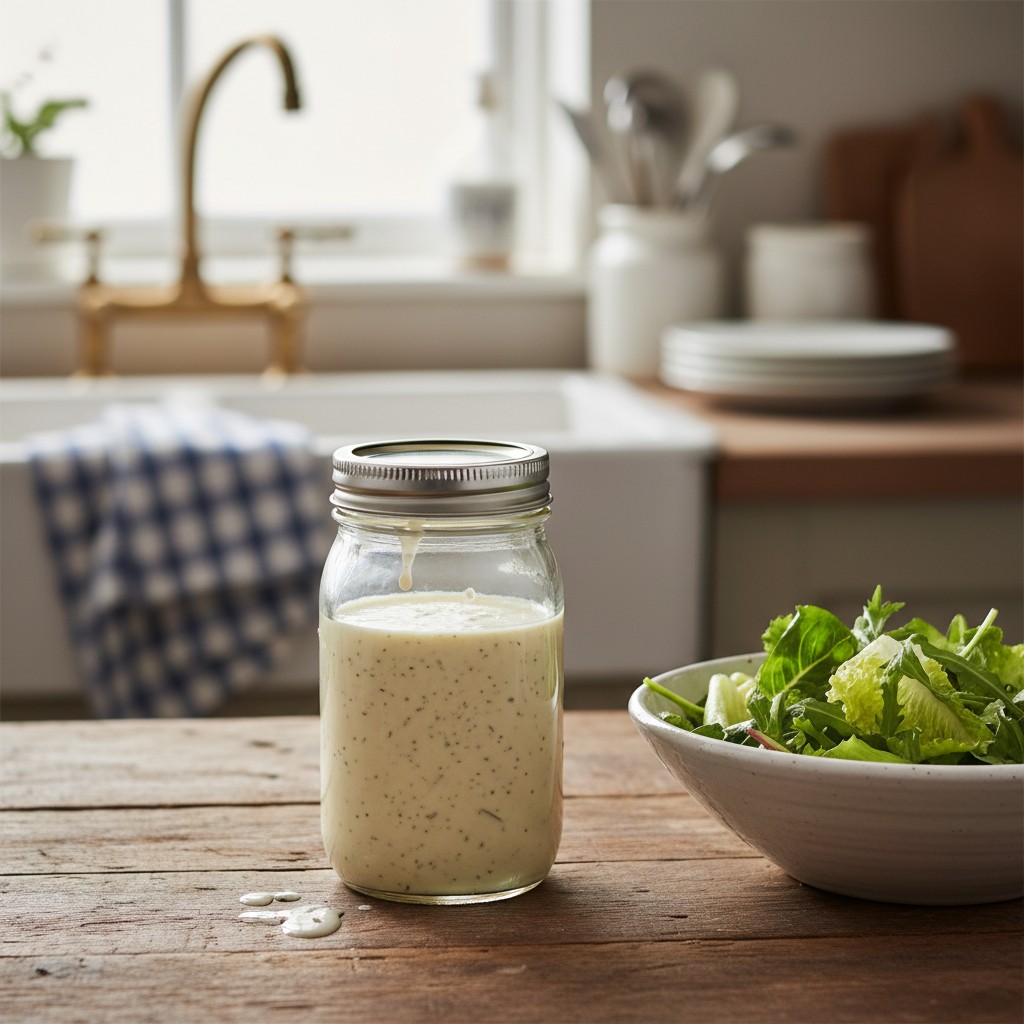
Learning this classic Vinaigrette Dressing Recipe is, I believe, one of the most important skills in any cook’s repertoire. There is simply no comparison between a freshly made dressing and its shop-bought counterpart, which is so often laden with unnecessary additives and preservatives. Once you master the simple chemistry of emulsifying oil and vinegar, a world of beautiful, fresh salads awaits, and you will never look back.
The secret lies not in a complicated list of ingredients, but in the quality of what you choose and the technique you use to bring them together. The classic ratio is our starting point, but the real magic happens in the emulsification – the process of coaxing oil and vinegar, two liquids that famously resist one another, into a harmonious, creamy union. My preferred method, using a simple jam jar, is not only the easiest but also, I think, the most effective.
This is more than a recipe; it's a foundation. Once you have this method under your belt, you can begin to experiment with different oils, vinegars, and flavourings. It's a cornerstone of good, honest cooking, and the first step to truly elevating a simple plate of leaves into something quite special.
Why You'll Love This Recipe
- The 3:1 oil-to-vinegar ratio is a time-honoured classic, providing the perfect balance of richness and acidity.
- Using Dijon mustard is crucial. It acts as a powerful emulsifying agent, helping the oil and vinegar combine into a stable, creamy dressing that won't separate immediately.
- The 'jam jar method' is foolproof. The vigorous shaking creates a temporary but perfect emulsion with minimal effort and washing up.
- Using high-quality ingredients – particularly a good extra-virgin olive oil and a sharp white wine vinegar – is what makes the simple flavour profile truly shine.
Ingredients
- 6 tablespoons best-quality extra virgin olive oil
- 2 tablespoons white wine vinegar
- 1 level teaspoon Dijon mustard
- A pinch of caster sugar
- 1/4 level teaspoon sea salt
- Freshly milled black pepper, to taste
Equipment Needed
A clean jam jar with a tight-fitting lid (approx. 250ml capacity) · Measuring spoons · A small bowl and small whisk (for alternative method)
Step-by-Step Instructions
- First, find yourself a clean, dry jam jar with a very secure, tight-fitting lid. This is our most important piece of equipment.
- Measure all the ingredients – the white wine vinegar, Dijon mustard, the pinch of sugar, salt, and a few good grindings of black pepper – and place them directly into the jar. Do not add the oil just yet.
- Secure the lid on the jar and give it a very brief shake just to combine the initial ingredients.
- Now, add the 6 tablespoons of extra virgin olive oil to the jar. Ensure the lid is screwed on as tightly as it will go to prevent any leaks.
- This is the crucial step: shake the jar as vigorously as you can for a good 30 seconds. You will see the contents transform from two separate layers into a thickened, creamy, and opaque dressing. This is the emulsion.
- Taste the dressing by dipping a clean teaspoon or a lettuce leaf into it. Adjust the seasoning if you feel it needs it – a little more salt, perhaps, or another grinding of pepper. Your vinaigrette is now ready to serve.
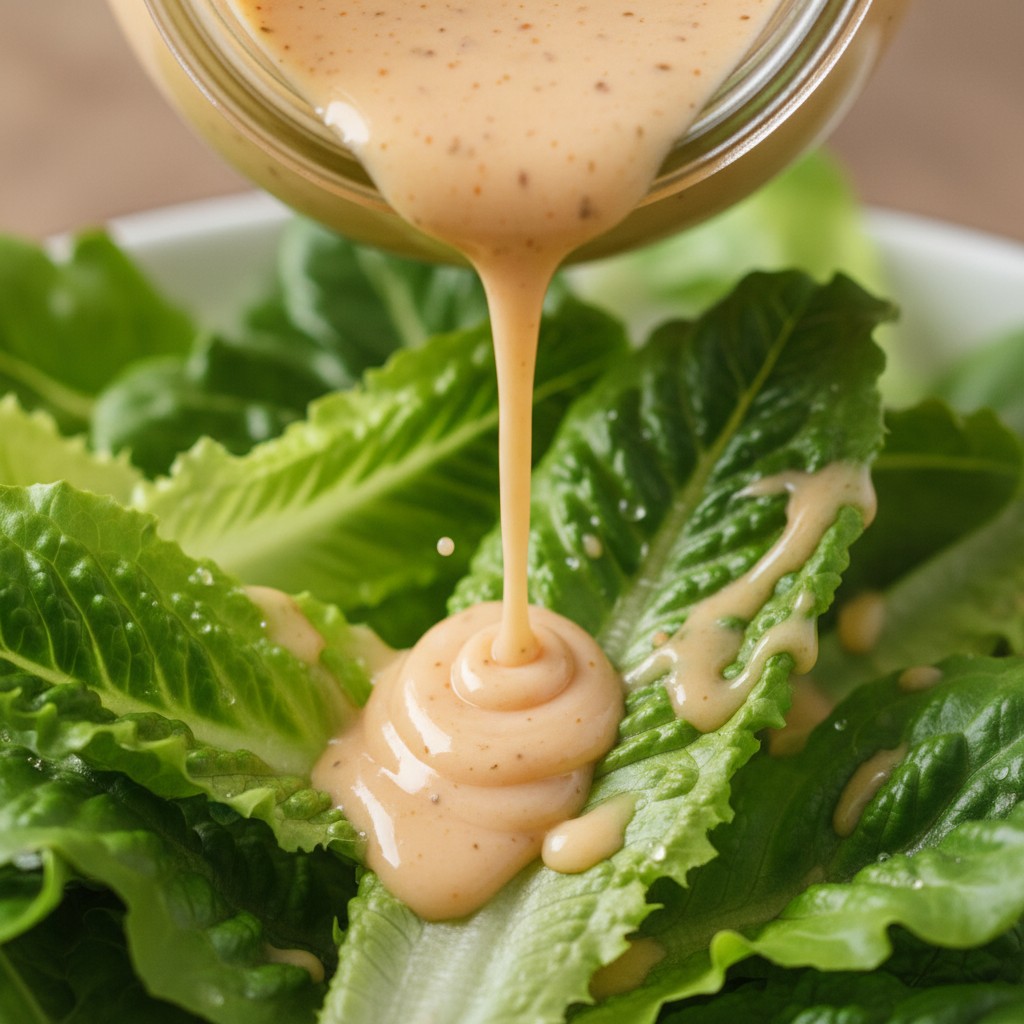
Delia's Notes from the Kitchen
The jam jar method really is the simplest way to do this. There's no need for slowly drizzling oil while whisking frantically. The sheer force of the shaking does all the work for you, and the jar then becomes its own storage container. The most important thing is to taste as you go. Your palate is the best judge, so don't be afraid to adjust the salt, pepper, or acidity until it tastes just right to you.
How to Store & Reheat
Store the vinaigrette in its sealed jar in the refrigerator for up to one week. The dressing will separate and the olive oil may solidify when chilled. This is perfectly normal. Simply remove it from the fridge about 20-30 minutes before you wish to use it to allow it to come to room temperature, then give it another very vigorous shake to re-emulsify before dressing your salad.
Frequently Asked Questions
Why does my vinaigrette keep separating?
Separation is natural as a vinaigrette is a temporary emulsion. However, a good shake should bring it back together. If it separates instantly, you may need more emulsifier (the mustard) or you may not have shaken it vigorously enough to begin with.
Can I use a different type of mustard?
Yes, you can. A whole-grain mustard will add texture, and a milder American-style mustard will work, but I find the sharp, tangy character of classic Dijon provides the best flavour and emulsifying power.
How long will this homemade vinaigrette last?
Stored in a sealed jar in the fridge, it will keep well for up to one week. If you've added fresh garlic or herbs, I would recommend using it within 3-4 days for the best flavour and freshness.
Is extra virgin olive oil absolutely necessary?
For the very best flavour, yes. A good, peppery extra virgin olive oil is a key component. However, if you prefer a more neutral flavour, you can use a light olive oil or another vegetable oil like rapeseed, but the final result will have a different character.
How can I make a creamier vinaigrette?
For a truly creamy dressing, you can add a tablespoon of double cream or Greek yoghurt to the jar along with the other ingredients before shaking. This will create a richer, more stable emulsion.