How to Cook the Perfect Soft Boiled Egg
Master the art of the soft boiled egg with my tried-and-tested method. Achieve that glorious runny yolk and perfectly set white for the ultimate breakfast treat.
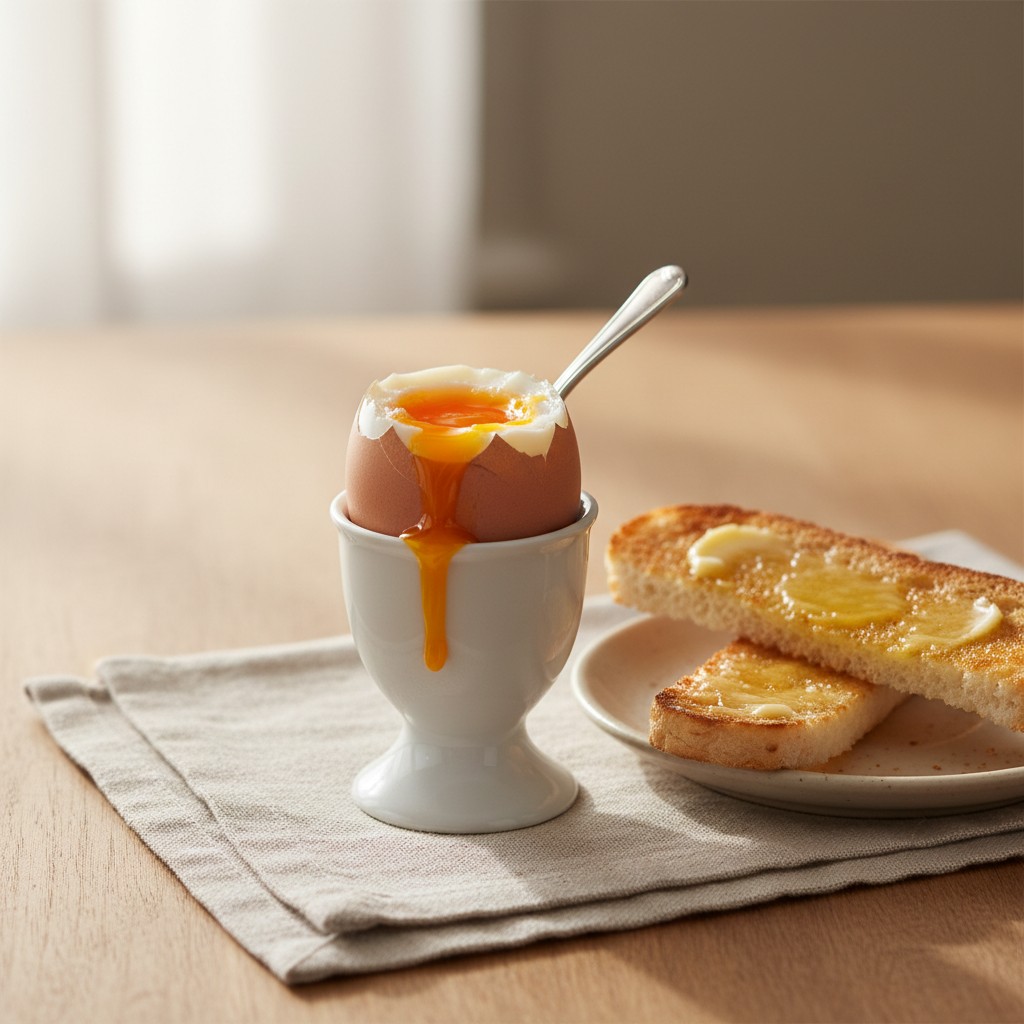
The Definitive Guide to a Foolproof Delia Smith Soft Boiled Egg Recipe
There is a certain quiet satisfaction in mastering the Delia Smith Soft Boiled Egg Recipe, a seemingly simple task that so often eludes us. It’s one of the first things we learn to cook, yet achieving that perfect, liquid-gold yolk with a just-set white can feel like a dark art. But it need not be. With a little precision and an understanding of what's happening inside that shell, it can be a reliable and deeply comforting part of your breakfast routine.
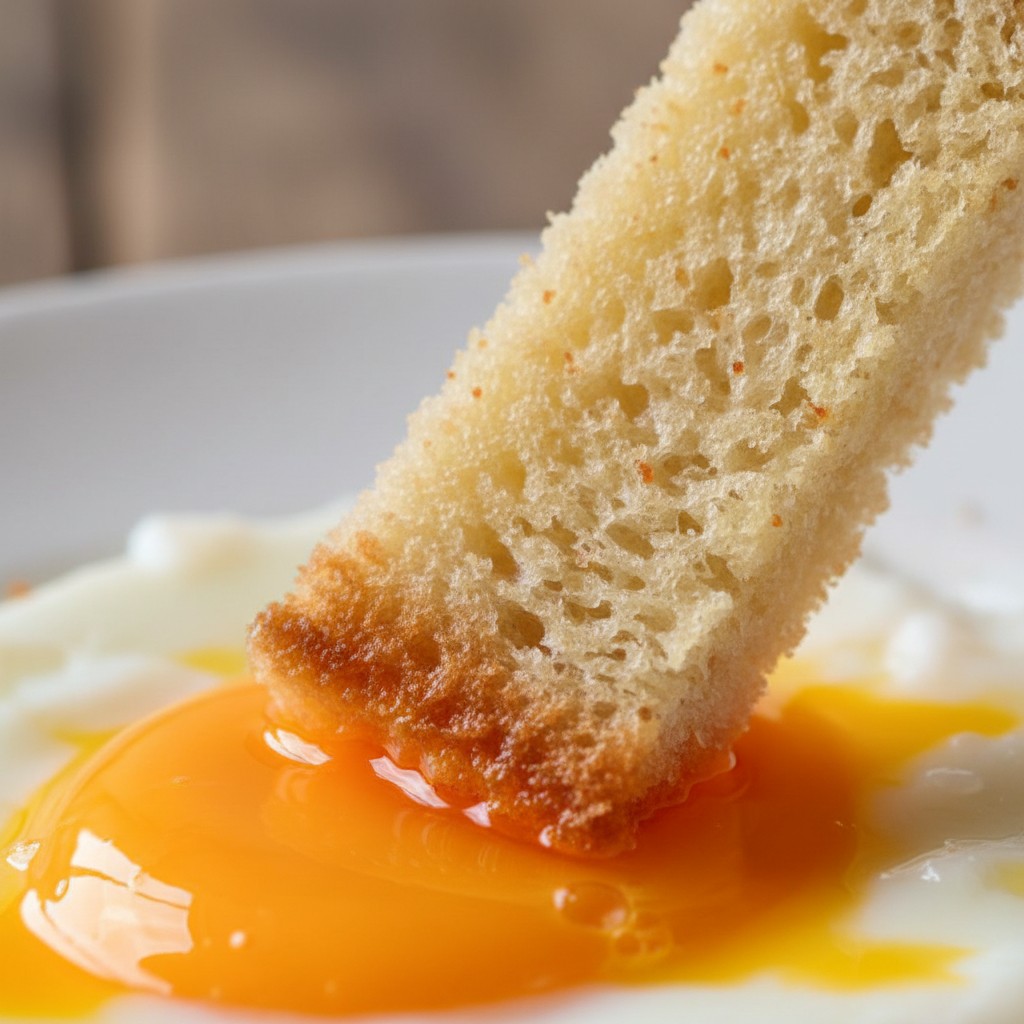
For me, the soft boiled egg, served with hot buttered toast 'soldiers' for dipping, is one of life's purest culinary pleasures. It’s nostalgic, nourishing, and requires so few ingredients that the quality of the egg and the precision of the method are paramount. It is a fundamental kitchen skill, and getting it right time after time builds the sort of confidence that is the foundation of all good cooking.
This method is the result of much testing over the years. It is, I can assure you, completely foolproof. We will banish watery whites and overcooked yolks forever. All you need is a good, fresh egg, a timer, and the willingness to be precise. Let's begin.
Why You'll Love This Recipe
- Starting with boiling water, not cold, provides a consistent starting point, meaning the timing is always accurate regardless of pan size or water volume.
- Using a room temperature egg is crucial. It prevents the shell from cracking due to thermal shock when it enters the hot water.
- A precise timer is non-negotiable. It removes all guesswork and is the key to achieving your preferred yolk consistency every single time.
- Briefly running the cooked egg under cold water halts the cooking process immediately, preventing the residual heat from turning your perfect runny yolk into a hard one.
Ingredients
- 1 very fresh, free-range, medium-to-large egg (about 60-70g), at room temperature
- A pinch of sea salt, to serve
- 1-2 slices of your favourite bread, toasted, well-buttered and cut into 'soldiers'
Equipment Needed
Small saucepan · Slotted spoon · Kitchen timer (essential!) · Egg cup · Teaspoon
Step-by-Step Instructions
- First, take your egg out of the refrigerator about 30 minutes before you plan to cook it. This is a vital step to prevent it from cracking.
- Next, select a small saucepan, just large enough for the egg and enough water to cover it by about 1cm. Bringing a smaller volume of water to the boil is quicker and the egg is less likely to rattle around.
- Bring the water to a full, rolling boil over a high heat.
- Once boiling, carefully lower the egg into the water using a slotted spoon. Be gentle here.
- The very moment the egg is in, start your timer. This is the most important step. For a truly runny yolk perfect for dipping, time it for 4 minutes exactly. For a slightly creamier, 'jammy' yolk, go for 5 minutes. For a yolk that is only just set in the centre, 6 minutes will be your mark.
- While the egg is cooking, you can toast and butter your bread, cutting it into neat soldiers ready for action.
- As soon as the timer sounds, use the slotted spoon to remove the egg immediately. To stop it from cooking any further in its own heat, run it under the cold tap for about 10 seconds.
- Place the egg in an egg cup, broad end up. Use a teaspoon or an egg-topper to neatly slice the top off. Season with a tiny pinch of salt and serve at once with your waiting soldiers.
Delia's Notes from the Kitchen
The single most important piece of equipment for this recipe is not a pan, but a timer. Guesswork is the enemy of the perfect soft boiled egg. Use a digital timer, your phone, or an old-fashioned sand-timer, but whatever you do, be precise. This is the secret to repeatable perfection, turning a game of chance into a reliable skill.
How to Store & Reheat
A soft boiled egg is a dish to be eaten immediately upon cooking. It cannot be stored or reheated, as this would completely ruin the delicate texture of the yolk and turn it hard. It is a simple pleasure best enjoyed fresh from the pan.
Frequently Asked Questions
Why did my egg crack when I put it in the water?
This almost always happens when a cold egg straight from the fridge is plunged into boiling water. The sudden change in temperature causes the shell to expand too quickly and crack. Always use a room temperature egg.
How can I tell if my eggs are fresh enough?
For a boiled egg, freshness is key. A simple test is to place the egg in a bowl of cold water. A very fresh egg will lie on its side at the bottom. An older egg will stand on its end, and an egg that is off will float.
Can I cook more than one egg at a time?
Yes, you can. Ensure the pan is large enough so they are not crowded, and make sure the water returns to a rolling boil quickly after you've added them. The timing should remain the same.
My yolk was hard, not runny. What went wrong?
This is usually down to one of two things: timing or not stopping the cooking process. Either the egg was cooked for too long, or it was left to sit after being removed from the water, allowing residual heat to continue cooking the yolk. Be precise with your timer and cool it briefly under a cold tap.
What exactly does 'room temperature' mean for an egg?
It simply means the egg should not be fridge-cold. Leaving it on the kitchen counter for 30 minutes before cooking is perfectly sufficient to bring it to the correct temperature.