The Only Vinaigrette Recipe You'll Ever Need
Mastering a simple vinaigrette is one of the most useful skills a home cook can possess. My classic recipe is foolproof and endlessly adaptable for any salad.
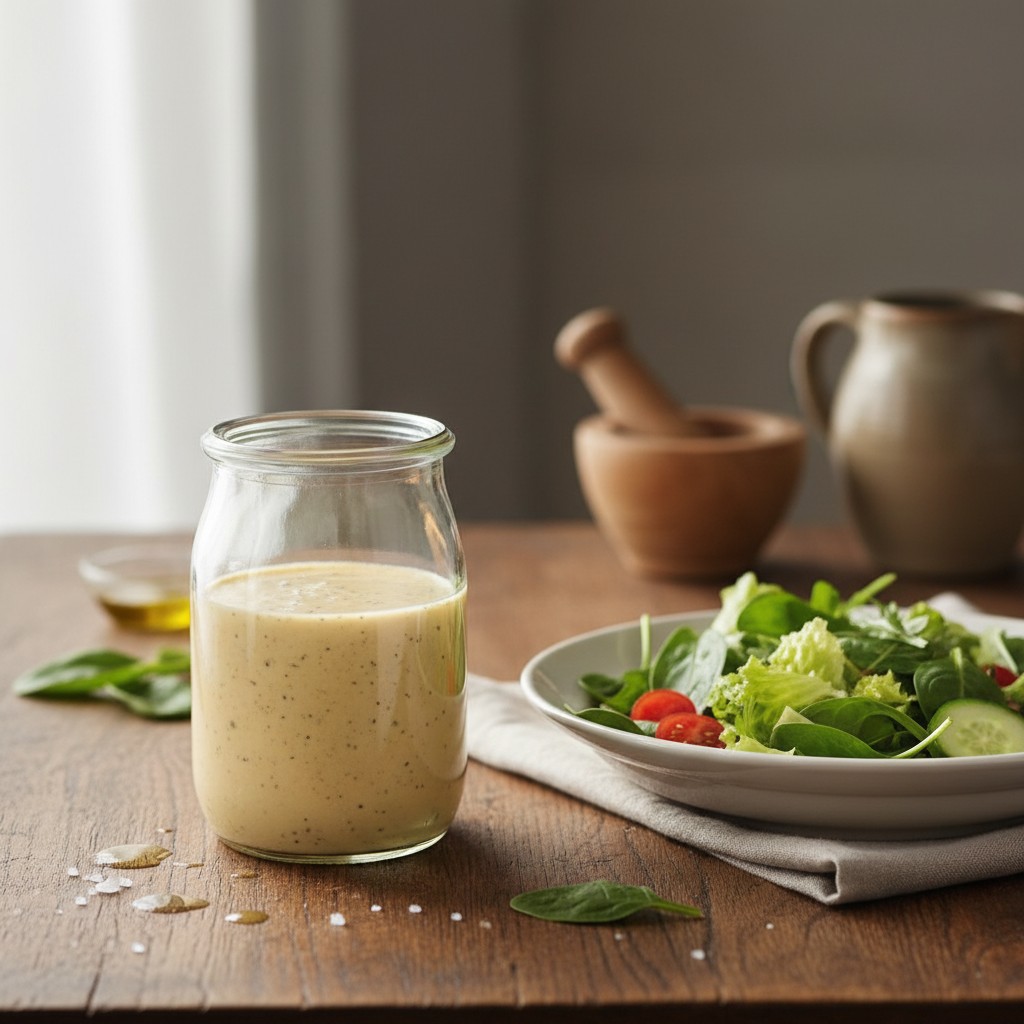
There is a world of difference between a dressing you've whisked up yourself, in moments, and one that has been languishing in a bottle on a supermarket shelf. The former sings with freshness and life, the latter can often be cloying and artificial. Learning how to make a proper vinaigrette is not just about learning a recipe; it's about understanding the beautiful simplicity of balancing oil and acid.
For me, a simple green salad, perfectly dressed, is one of life's great pleasures. It can sit alongside almost any main course, cleansing the palate and adding a touch of elegance. And the secret to that perfect salad lies entirely in the dressing. The good news is that it is ridiculously easy to make, requires no special equipment, and once you have the basic formula, you can vary it endlessly.
So, let's forget the shop-bought bottles for good. With a few store-cupboard ingredients, you can have a jar of this on the go in the fridge at all times. It is one of the first things I ever learnt to do in the kitchen, and I believe it’s a skill that gives any cook enormous confidence.
Why You'll Love This Recipe
- The jam jar method is foolproof for creating a stable emulsion, where the oil and vinegar are temporarily forced to combine, creating a thickened, cohesive dressing.
- Dijon mustard acts as a powerful emulsifier. Its components help to bridge the gap between the oil and water-based vinegar, preventing the dressing from separating too quickly.
- Using high-quality ingredients is paramount. A good extra-virgin olive oil and a sharp, clean-tasting wine vinegar form the flavour backbone that cannot be faked.
- The classic 3:1 ratio of oil to vinegar provides the perfect balance, but this recipe teaches you to taste and adjust, which is the true secret to all good cooking.
Ingredients
- 6 tablespoons best-quality extra-virgin olive oil
- 2 tablespoons white wine vinegar
- 1 level teaspoon Dijon mustard
- 1 level teaspoon caster sugar
- A generous pinch of sea salt
- Freshly milled black pepper
Equipment Needed
A clean jam jar with a tight-fitting lid (approx. 225g size) · Measuring spoons
Step-by-Step Instructions
- First, find yourself a spotlessly clean, dry jam jar with a very secure, screw-top lid. This is, in my opinion, the very best and simplest way to make a vinaigrette.
- Measure all the ingredients – the oil, vinegar, mustard, sugar, salt, and a good grinding of pepper – and place them directly into the jar.
- The mustard is not just for flavour; it is the magic ingredient, the emulsifier, that will help to hold the oil and vinegar together. The small amount of sugar is there simply to balance the sharpness of the vinegar.
- Now, screw the lid on as tightly as you can. You must be quite sure it's secure to avoid any kitchen mishaps.
- Shake the jar very, very vigorously for a good 30 seconds. You will see the contents transform from two separate layers into a thickened, creamy, emulsified dressing. That's all there is to it.
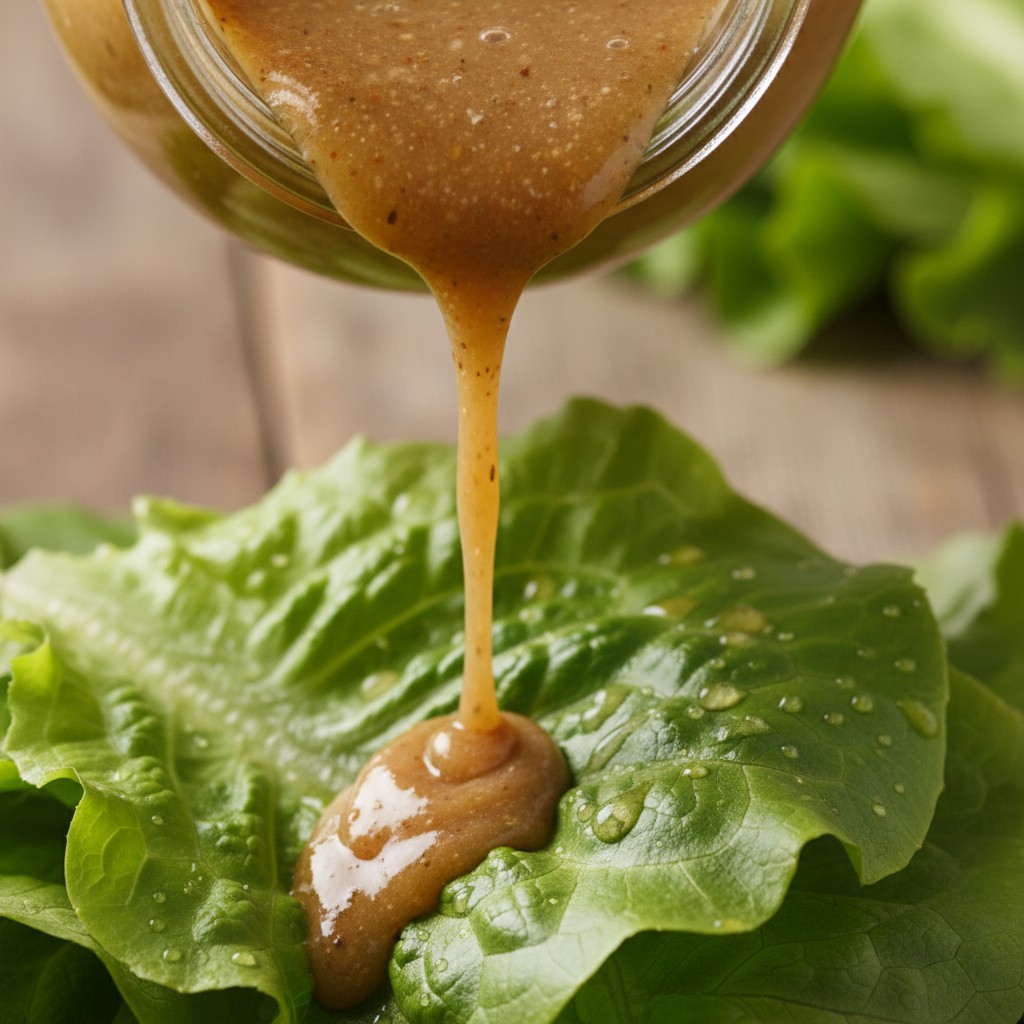
- Always taste the dressing before you use it. Dip a lettuce leaf in, or use a small spoon. It may need a fraction more salt or a little more pepper. Adjust it until it tastes right to you.
Delia's Notes from the Kitchen
The golden rule for any vinaigrette is the ratio: three parts oil to one part acid (in this case, vinegar). However, do remember that this is merely a starting point. The real secret is to taste, taste, and taste again. Dip a leaf of whatever you plan to dress into the vinaigrette to get a true sense of the final flavour. Your palate is the best judge, so don't be afraid to adjust the seasoning until it sings.
How to Store & Reheat
Store the vinaigrette in its sealed jar in the fridge for up to 2 weeks. The oil will solidify and the dressing will separate when chilled. This is perfectly normal. Simply remove it from the fridge about 20-30 minutes before you need it, then give it another very vigorous shake to bring it back together.
Frequently Asked Questions
Why does my vinaigrette keep separating?
Separation is natural as oil and vinegar don't want to mix. The mustard helps to slow this down. A good, hard shake right before serving will always bring it back together perfectly.
Can I use a different type of oil?
Yes, but it will change the flavour. A lighter olive oil or a neutral-tasting oil like sunflower or rapeseed oil can be used, but you will lose the peppery character of a good extra-virgin olive oil.
Is the sugar absolutely necessary?
It isn't strictly essential, but I strongly recommend it. A small pinch of sugar doesn't make the dressing sweet; it simply rounds off the sharp edges of the vinegar, creating a more balanced flavour.
How long will this dressing keep in the fridge?
Because it contains no fresh ingredients like garlic or herbs, the basic vinaigrette will keep well in a sealed jar in the refrigerator for at least two weeks.
Can I make this without mustard?
You can, but the dressing will not emulsify as well and will separate much faster. The mustard is key to the texture. If you don't like Dijon, a milder wholegrain mustard can work, but it will create a different texture.