How to Make Perfect Yorkshire Puddings
The definitive recipe for achieving gloriously risen, crisp-edged Yorkshire Puddings. Follow my simple, time-tested method for perfect results every single time.
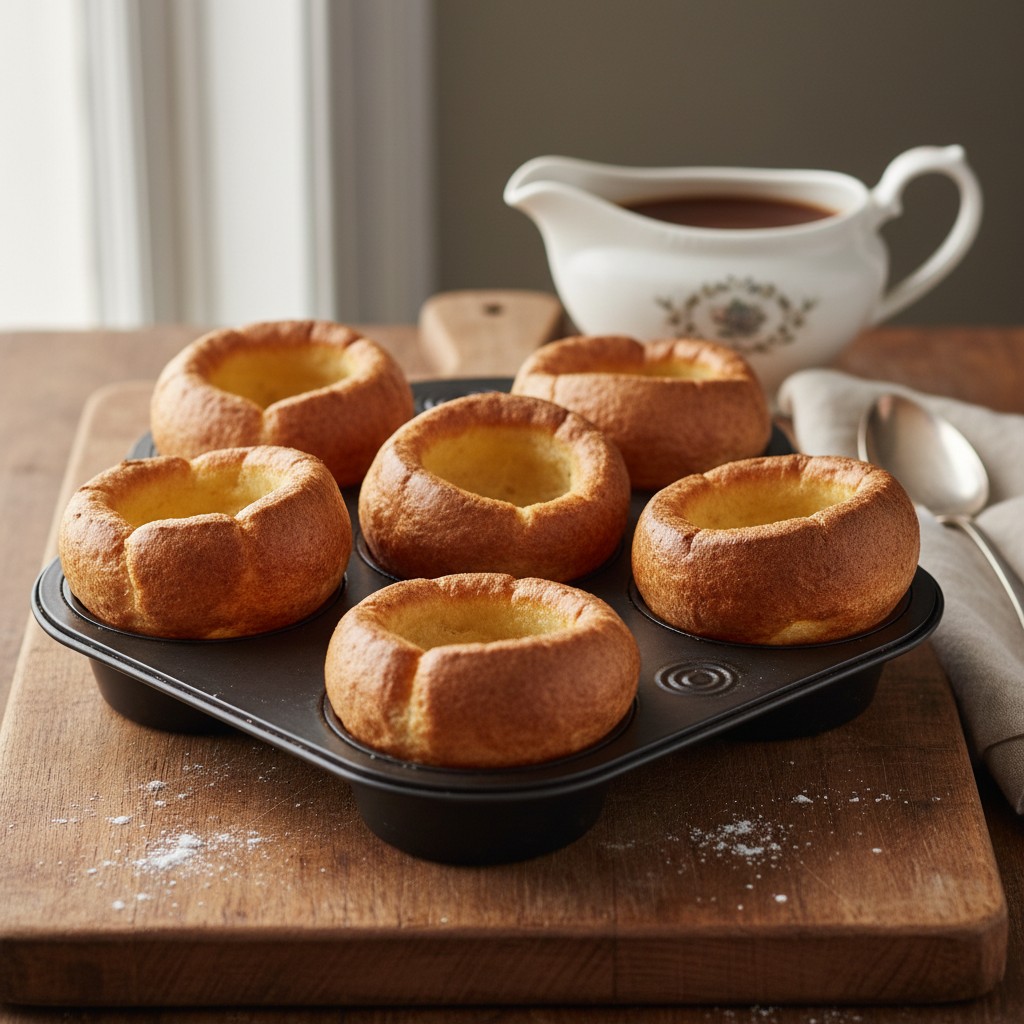
There are few sights more welcome on a Sunday table than a tray of magnificent, golden-brown Yorkshire Puddings, puffed up and proud. It is, for me, an non-negotiable part of a roast beef dinner, a true icon of British cooking. Yet, for all its fame, it's a dish that seems to cause a great deal of anxiety. I receive more questions about Yorkshire puddings than almost any other recipe, with tales of flat, sad, or soggy results.
The truth is, making perfect Yorkshire puddings is not about luck or some mythical kitchen magic; it is pure and simple food science. Once you understand the fundamental principles at play, you will be able to replicate them perfectly, time and time again. The key lies not in a complicated recipe – the ingredients are as humble as can be – but in the method. It's about respecting the batter, the rest, and above all, the heat.
In this recipe, I will walk you through each step with precision. We will banish flat puddings from your kitchen forever. Forget the ready-made imposters; with just a few basic ingredients and a little bit of know-how, you will have the confidence to produce Yorkshire puddings that are ethereally light, wonderfully crisp, and have that all-important hollow centre, ready to be filled with rich gravy.
Why You'll Love This Recipe
- Resting the batter is crucial. It allows the starch grains in the flour to swell and the gluten to relax, which leads to a lighter, more tender pudding with a better rise.
- Using smoking hot fat is the single most important step. When the cold batter hits the searingly hot fat, it creates an immediate burst of steam, forcing the pudding to puff up dramatically and creating that signature crisp exterior.
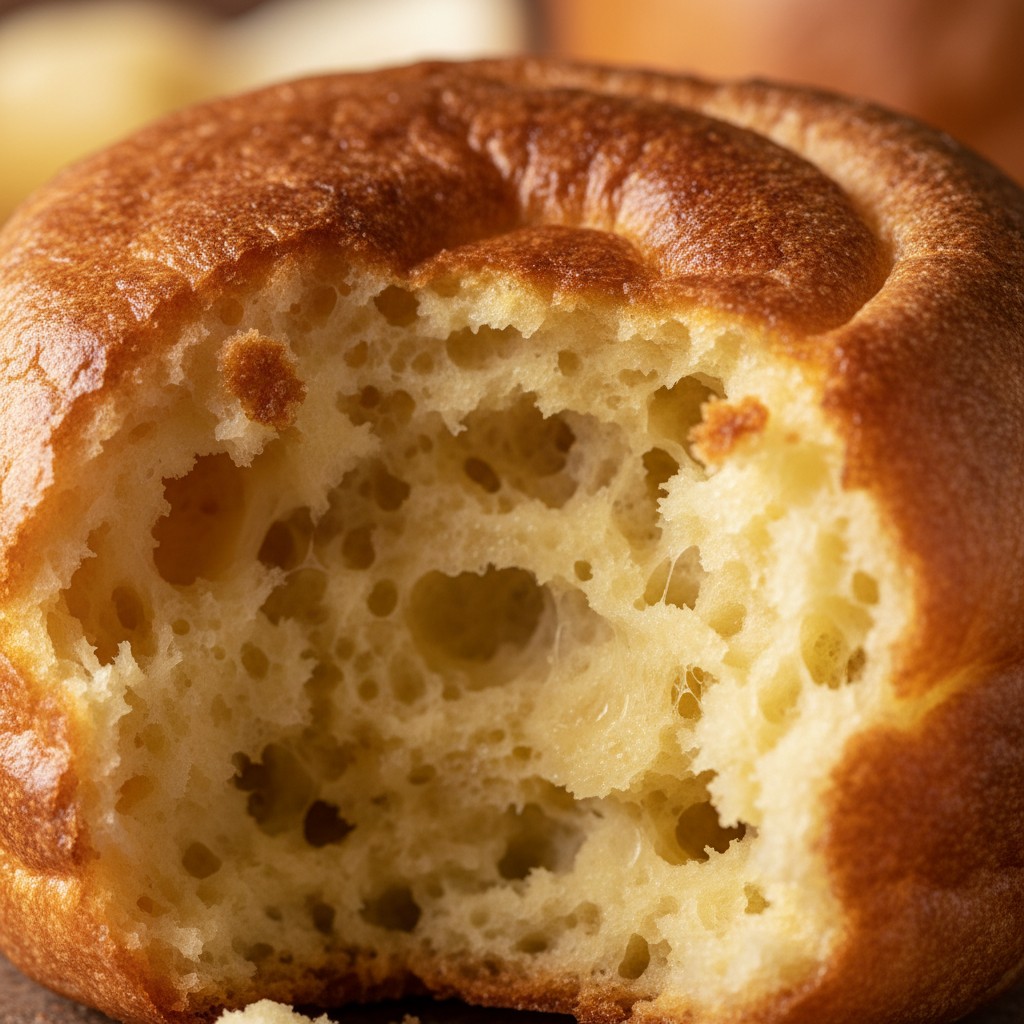
- The exact ratio of plain flour, egg, and liquid is designed for structural perfection. This ensures the puddings hold their shape as they rise, with a crisp outer shell and a soft, slightly custardy interior.
Ingredients
- 75g plain flour
- 1 large egg
- 1/2 pint (284ml) of liquid, made up of half milk and half cold water
- A pinch of salt
- Beef dripping or vegetable oil for cooking (about 1 teaspoon per pudding)
Equipment Needed
A deep 6-hole muffin tin (or a 12-hole tin if making smaller ones) · Mixing bowl · Flour sieve · Whisk · Measuring jug
Step-by-Step Instructions
- First, make the batter. Sift the 75g of plain flour and the pinch of salt into a bowl and make a well in the centre. Break the egg into the well. Using a whisk, begin to beat the egg, gradually incorporating the flour from the edges.
- Once you have a thick, smooth paste, begin to add the milk and water mixture, a little at a time, whisking continuously to ensure a lump-free batter. Once all the liquid is incorporated, give it one final, vigorous whisk. You can also do this in a food processor if you prefer.
- Now for a very important stage: the resting. Cover the bowl and let the batter rest for at least 30 minutes at room temperature. You can even make it hours ahead and keep it in the fridge – just remember to give it a quick whisk before using.
- When you are ready to cook, preheat your oven to its highest setting, typically 220°C fan (230°C/Gas Mark 8).
- Spoon about 1 teaspoon of beef dripping or oil into each of the 6 hollows of a deep muffin tin. Place the tin in the preheated oven on a high shelf for a good 10-15 minutes. The fat needs to be smoking hot – this is absolutely critical.
- Carefully remove the hot tin from the oven. As quickly and safely as you can, pour the batter evenly into the sizzling fat in each hollow. They should sizzle and bubble immediately.
- Immediately return the tin to the top shelf of the oven and close the door. Do not be tempted to open it for at least 20 minutes.
- Bake for 20-25 minutes, or until the puddings have risen magnificently and are a deep golden brown and crisp. Serve them immediately, as they will begin to soften as they cool.
Delia's Notes from the Kitchen
A final word on the fat. While vegetable oil is perfectly acceptable and will produce a fine pudding, for the truly authentic, deeply savoury flavour that is the hallmark of a proper Yorkshire pudding, you simply must try to use beef dripping, ideally from your roasting joint. It connects the pudding to the meat and gravy in the most wonderful way and makes all the difference to the finished flavour.
How to Store & Reheat
Should you have any leftovers (which is rare!), they can be stored in an airtight container at room temperature for a day. To reheat and bring back their crispness, place them in a hot oven (around 200°C) for 3-5 minutes until heated through and crisp again. Do not reheat in a microwave, as they will become tough and soggy.
Frequently Asked Questions
Why did my Yorkshire puddings not rise?
This is almost always down to one of three things: the fat was not hot enough when the batter was added, the oven temperature was too low, or you opened the oven door too early during baking, causing them to collapse.
Can I use self-raising flour instead of plain flour?
No, you must use plain flour. The rise in a Yorkshire pudding comes from the rapid expansion of air and steam, not from a chemical raising agent. Self-raising flour will produce a cake-like, heavy texture which is not what we want here.
Can the batter be made ahead of time?
Absolutely. In fact, a longer rest often results in a better pudding. You can make the batter up to 24 hours in advance, cover it, and store it in the fridge. Just give it a good whisk before you use it.
My puddings were soggy on the bottom. What did I do wrong?
This usually happens when the fat isn't hot enough to 'fry' the base of the pudding as soon as it hits the tin. It's vital that the fat is sizzling and shimmering before you pour the batter in.
Can I make one large Yorkshire pudding instead of individual ones?
Yes, of course. Use a 20-23cm (8-9 inch) round metal tin. Ensure you preheat the fat in the same way, pour in all the batter, and bake for around 30-35 minutes until risen and golden. This is wonderful for sharing at the table.