How to Make Perfect Egg Mayonnaise
There are some things so beautifully simple they require no embellishment, and a perfectly made egg mayonnaise is one. This is my definitive guide to getting this British classic absolutely right, every time.
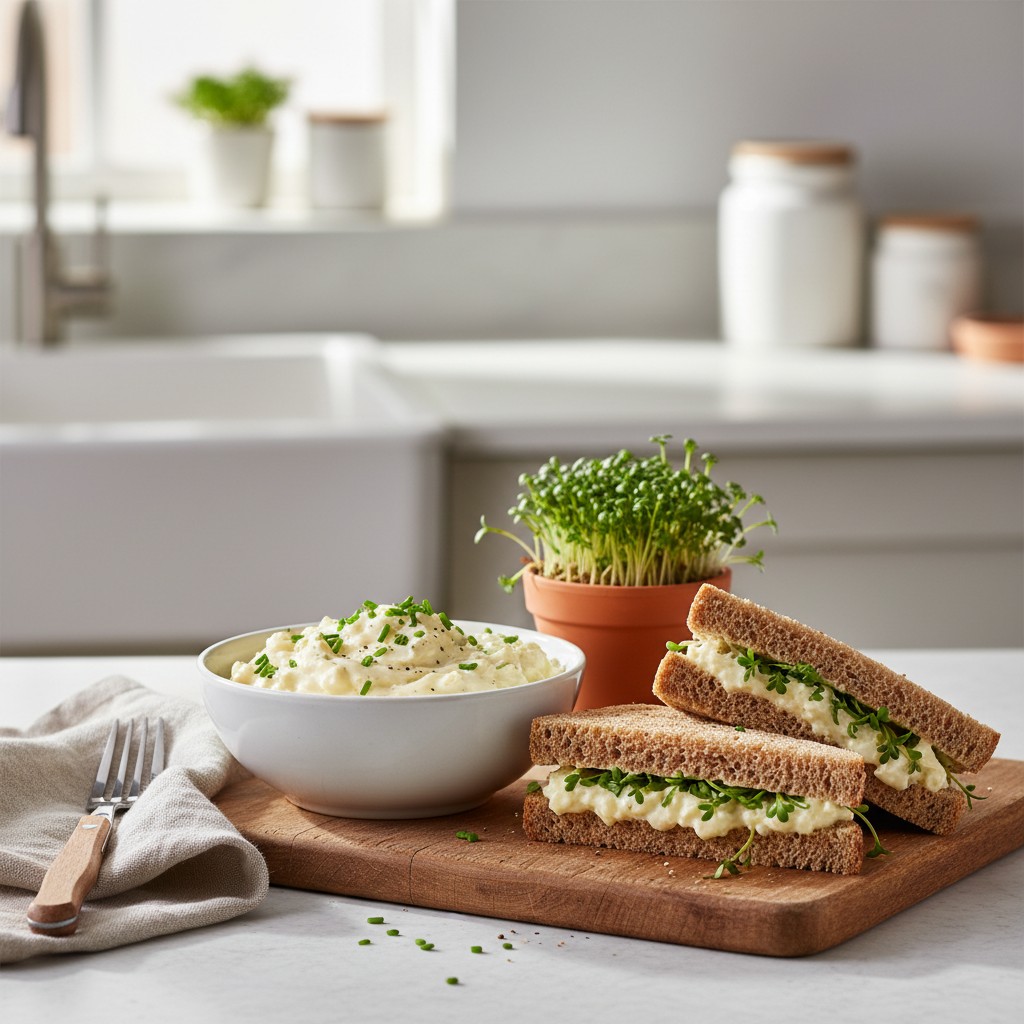
There is a particular kind of quiet satisfaction that comes from making something simple, perfectly. And for me, egg mayonnaise falls squarely into that category. It’s a cornerstone of the British sandwich repertoire, a stalwart of the picnic basket, and a comforting presence on any lunch plate. But its simplicity can be deceptive; the difference between a sublime, creamy, flavourful egg mayonnaise and a watery, sad affair is all in the detail.
We’re not reinventing the wheel here. Instead, we are celebrating a classic by paying proper attention to the fundamentals: the exact cooking time for the eggs to achieve that perfect, just-firm golden yolk, the quality of the mayonnaise that binds it all together, and the correct, gentle method of combining them to retain a pleasing texture.
So, whether you’re packing up a lunchbox, preparing for a journey, or simply craving a taste of straightforward, honest-to-goodness food, this recipe will show you how to do it properly. It's a skill, once learned, that will serve you well for a lifetime of lunches.
Why You'll Love This Recipe
- Perfectly Timed Eggs: Cooking for precisely 8 minutes from a simmer yields a yolk that is firm and golden, never grey or rubbery, providing the ideal texture and colour.
- Quality Mayonnaise is Key: Using a good, thick, real-egg mayonnaise is non-negotiable. It provides the creamy richness that binds everything without becoming oily or thin.
- The Importance of Texture: Gently mashing the eggs with a fork, rather than over-mixing or blitzing, preserves some of the egg white's texture, preventing a mushy, uniform paste.
Ingredients
- 4 large free-range eggs, at room temperature
- 3-4 tablespoons of good-quality, thick, real-egg mayonnaise
- 1 tablespoon snipped fresh chives or cress (optional)
- Salt and freshly milled black pepper
Equipment Needed
Small saucepan · Medium bowl · Fork · Measuring spoons · Chopping board and knife (for chives)
Step-by-Step Instructions
- First, let's cook the eggs perfectly. Place the 4 large eggs in a small saucepan. It's important they are at room temperature to prevent them from cracking as the water heats up.
- Cover the eggs with cold tap water so they are submerged by about 1 inch (2.5 cm). Place the pan over a high heat and bring it to the boil.
- As soon as the water reaches a rolling boil, reduce the heat to a gentle simmer and begin timing. Cook for exactly 8 minutes. This timing is for a large egg and will give you a firm white and a cooked, but still creamy, golden yolk.
- Once the 8 minutes are up, you must act quickly. Immediately drain the hot water away and plunge the eggs into a bowl of very cold water (add a few ice cubes if you have them). Leave them for at least 5 minutes. This 'shocking' process stops the cooking instantly and makes the shells much easier to peel.
- Once the eggs are cool enough to handle, tap each one firmly on a hard surface to crack the shell all over. Peel them, using a little cold running water to help rinse away any tiny bits of shell. Pat the peeled eggs dry with a piece of kitchen paper.
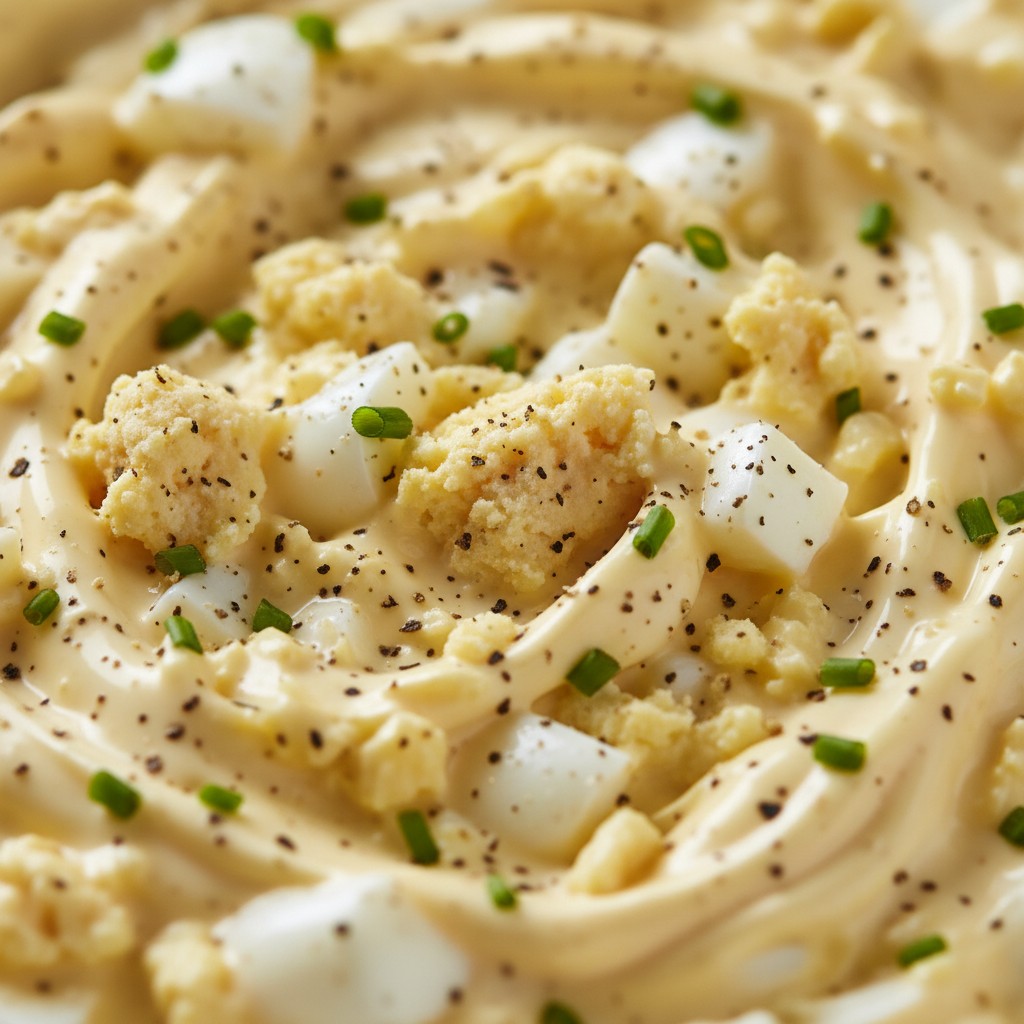
- Place the dried, peeled eggs in a medium-sized bowl. Using a standard kitchen fork, press down on the eggs to break them up and mash them. Don't be overzealous; we are aiming for a coarse, textured mash, not a smooth puree. Some small, distinct pieces of egg white are what you want.
- Now, add 3 tablespoons of the mayonnaise, the optional chives or cress, and a good seasoning of salt and freshly milled black pepper. Gently fold everything together with the fork until just combined. Have a taste – it may need a little more salt, pepper, or another spoonful of mayonnaise to reach your desired creaminess. Be careful not to over-mix.
- Your perfect egg mayonnaise is now ready to be used. It is best made and eaten on the same day for optimum freshness and texture.
Delia's Notes from the Kitchen
A final note on the mayonnaise. I really must insist you use a good quality, thick, creamy mayonnaise made with free-range egg yolks. It is the very soul of the dish. A thin, vinegary dressing will simply not do and will result in a disappointing, watery affair. If you have the time, my homemade mayonnaise recipe is, of course, the absolute ideal, but a top-quality shop-bought version is the next best thing.
How to Store & Reheat
Egg mayonnaise should be stored in an airtight container in the refrigerator and is best consumed within 24 hours. It does not freeze and should not be reheated. Always serve it chilled.
Frequently Asked Questions
Why are my hard-boiled eggs sometimes hard to peel?
This is usually because the eggs are extremely fresh. The membrane beneath the shell of a very fresh egg clings tightly. Using eggs that are a week or so old often makes peeling much easier. The cold water shock after boiling also helps significantly.
Can I use salad cream instead of mayonnaise?
You can, but it will create a very different dish. Salad cream is thinner, sweeter, and more vinegary than mayonnaise. It will result in a tangier, looser mixture which is a classic in its own right, but it is not what we are aiming for in this traditional egg mayonnaise recipe.
How do I prevent my egg mayonnaise from being watery?
There are two main culprits. Firstly, using a thin, poor-quality mayonnaise. A thick, creamy, real-egg mayonnaise is essential. Secondly, ensure you pat the eggs dry after peeling them to remove any excess water before you begin mashing.
Can I make this ahead of time?
It is truly at its best when made fresh. However, you can make it a few hours in advance. Store it in a sealed container in the fridge with a piece of cling film pressed directly onto the surface to prevent a skin from forming. I would not recommend keeping it for more than a day.
What else can I add for extra flavour?
While I adore the classic version, you could add a teaspoon of mild curry powder for a Coronation-style twist, a very finely chopped stick of celery for crunch, or a few capers (rinsed and chopped) for a piquant note.