How to Make the Perfect Plum Crumble
There are few desserts more comforting than a classic plum crumble, with its sharp, sweet fruit and crunchy, buttery topping. Here is my definitive guide to getting it just right, every single time.
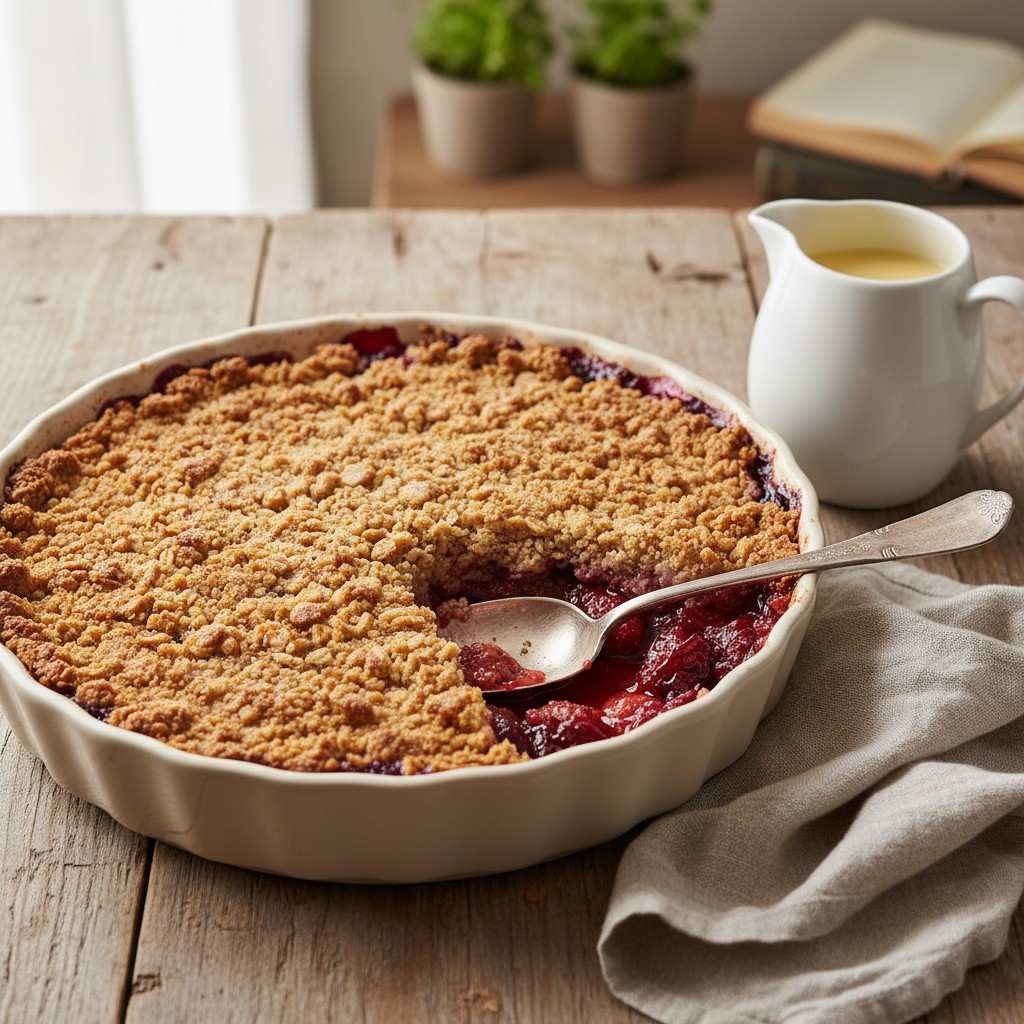
There is something deeply satisfying about a fruit crumble, a dessert that seems to capture the very essence of home cooking. It's a forgiving, generous sort of pudding, but that doesn't mean it can't be perfected. A truly great crumble is a study in contrasts: the sharp, sweet fruit collapsing into a jammy compote beneath a craggy, crunchy, buttery blanket of topping.
The arrival of plums in late summer and early autumn is a moment to celebrate, and a crumble is arguably their finest destination. I always favour Victoria plums when they are in season for their superb balance of sweetness and acidity, but any good, ripe plum will do. The key is not to drown them in sugar; you want their natural tartness to cut through the richness of the topping. A little spice, perhaps a whisper of cinnamon, can add a lovely warmth, but the plums should always be the star.
Then there is the topping, which is where so many go wrong. The secret is in the 'rubbing in' – a wonderfully old-fashioned technique that is essential for a light, crisp result. We will add some rolled oats for a more rustic texture and demerara sugar for that all-important crunch. This is not a time for rushing; it’s about a simple method, followed with care, to produce a dessert that is consistently, reliably, and utterly delicious.
Why You'll Love This Recipe
- This recipe achieves the perfect balance between the tartness of the plums and the sweetness of the crumble, preventing an overly sugary dessert.
- The specific 'rubbing-in' technique with cold butter ensures a light, sandy, and exceptionally crisp topping, avoiding the common pitfall of a soggy or heavy lid.
- The inclusion of rolled oats and demerara sugar adds a delightful rustic texture and a satisfying crunch that contrasts beautifully with the soft fruit.
Ingredients
- For the fruit filling:
- 900g ripe plums (Victoria plums are excellent), halved and stoned
- 50g demerara sugar
- 1 level tablespoon cornflour
- ½ teaspoon ground cinnamon (optional)
- For the crumble topping:
- 175g plain flour
- 110g cold unsalted butter, cubed
- 50g rolled oats (not instant or jumbo)
- 100g demerara sugar
Equipment Needed
1.5-litre ovenproof pie dish · Large mixing bowl · Kitchen scales · Baking tray · Sieve · Sharp knife
Step-by-Step Instructions
- First, pre-heat the oven to 180°C (160°C fan), Gas Mark 4. Select a 1.5-litre capacity ovenproof pie dish.
- Prepare the fruit. If your plums are large, you can quarter them, but halving is usually sufficient. Place the plum halves in the base of your dish.
- In a small bowl, mix the 50g of demerara sugar with the cornflour and cinnamon, if using. Sprinkle this mixture evenly over the plums and give the dish a gentle shake to distribute.
- Now, for the crumble topping. Sift the plain flour into a large, cool mixing bowl. Add the cubes of cold butter.
- Using just your fingertips, begin to rub the butter into the flour. Lift your hands high as you do this to incorporate air. Continue until the mixture resembles coarse breadcrumbs. Do not overwork it; a few larger, pea-sized lumps of butter are perfectly fine.
- Add the rolled oats and the 100g of demerara sugar to the bowl. Use a fork or a spatula to stir them in, keeping the mixture light and airy.
- Spoon the crumble mixture evenly over the fruit in the dish. Don't press it down; you want a loose, rugged surface which will allow the steam to escape and the topping to crisp up beautifully.
- Place the dish on a baking tray (to catch any bubbling juices) and bake on the middle shelf of the pre-heated oven for 40-45 minutes.
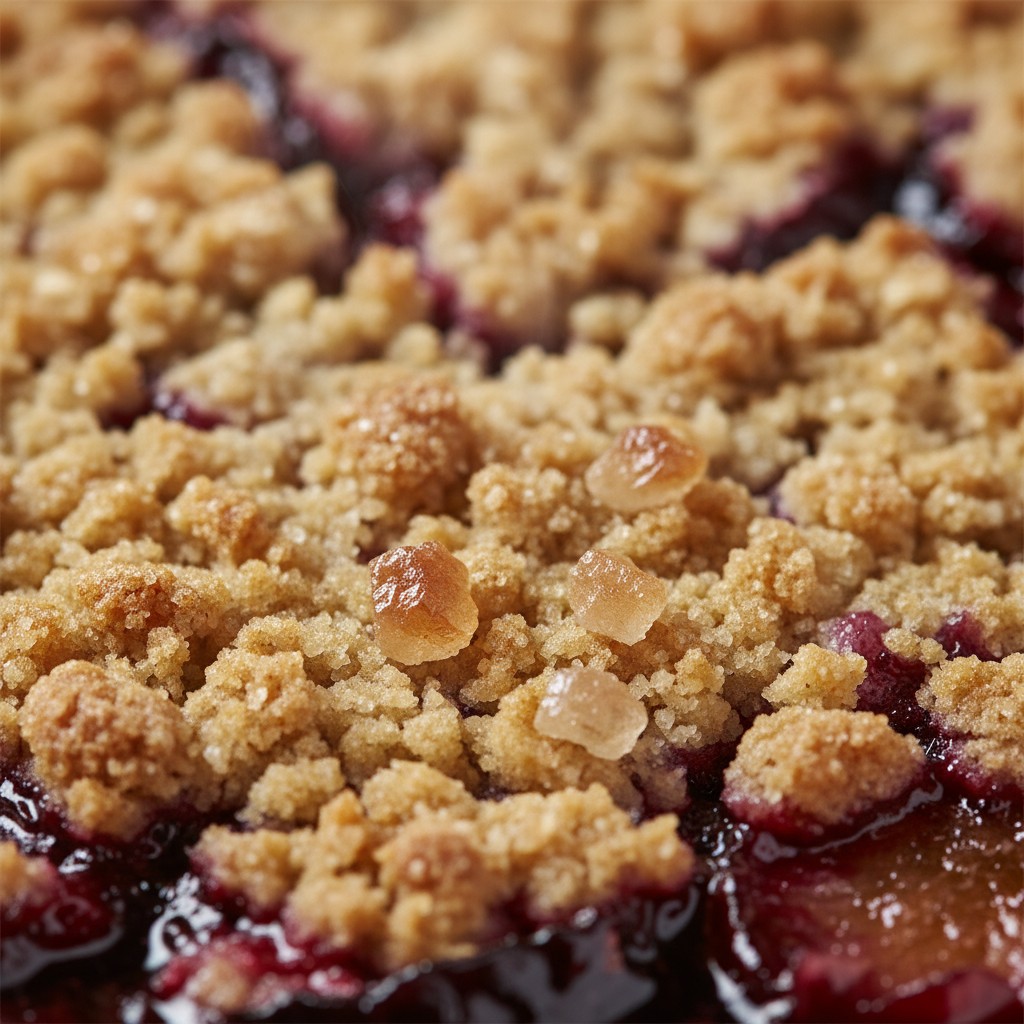
- The crumble is ready when the topping is a deep golden brown and you can see the dark, syrupy plum juice bubbling up at the edges.
- Allow the crumble to rest for 10-15 minutes before serving. This allows the fruit to cool slightly and the juices to settle.
Delia's Notes from the Kitchen
The secret to a truly crisp, crumbly topping lies in the temperature. The butter must be fridge-cold, and you should use only your fingertips to rub it into the flour. Warm hands will begin to melt the butter, resulting in a heavier, more pastry-like texture. Work quickly and lightly for the very best results.
How to Store & Reheat
Store any leftovers covered in the refrigerator for up to 3 days. To reheat, place the dish in an oven preheated to 160°C for 15-20 minutes, or until warmed through. This will help to re-crisp the topping. I would advise against reheating in a microwave, as it will turn the crumble topping soft and soggy.
Frequently Asked Questions
Why is my crumble topping soggy?
A soggy topping is usually caused by one of three things: the butter was too soft or was overworked, melting it rather than rubbing it in; the fruit released too much liquid; or the crumble was under-baked. Ensure your butter is fridge-cold and you work quickly and lightly. The cornflour in this recipe helps to thicken the fruit juices to prevent sogginess.
Can I make this ahead of time?
Yes, you can. You can prepare the fruit base and the crumble topping separately and store them in the fridge for up to 24 hours. Assemble just before baking for the best results. You can also assemble the entire crumble and keep it, unbaked, in the fridge.
Can I freeze plum crumble?
Certainly. For best results, freeze it unbaked. Assemble the crumble in a freezer-proof dish, wrap it well in cling film and foil, and freeze for up to 3 months. Bake from frozen, adding an extra 20-25 minutes to the cooking time.
Do I need to peel the plums?
No, it is not necessary to peel the plums. The skins soften beautifully during cooking, add a wonderful deep colour to the juices, and contain a lot of flavour. Simply wash, halve, and remove the stones.
Can I make the crumble topping in a food processor?
You can, but you must be very careful. Use the pulse button and stop as soon as the mixture resembles breadcrumbs. It is very easy to over-process, which results in a heavy, paste-like topping. I find the traditional hand method more reliable and therapeutic.