The Perfect Fatless Sponge Cake
Discover the quintessential fatless sponge, a cornerstone of British baking. My method guarantees a beautifully light and airy result for your Victoria sponges and trifles.
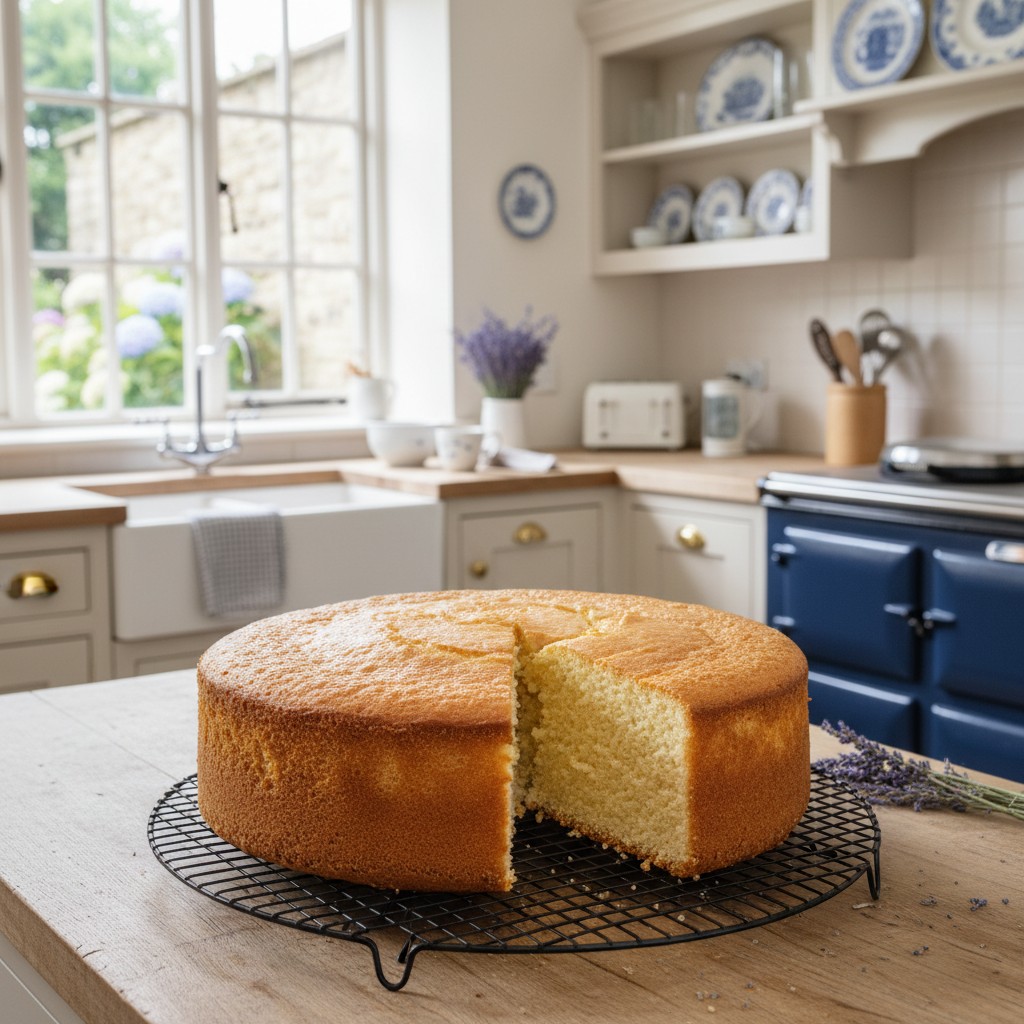
Mastering the Classic Delia Smith Fatless Sponge Recipe
Learning to make a proper Delia Smith Fatless Sponge Recipe is a true milestone for any home baker. It is the very foundation of so many wonderful British desserts, from a simple, elegant Victoria Sandwich to the glorious centrepiece that is a sherry trifle. Unlike other sponges that rely on butter for flavour and texture, this one is a beautiful lesson in food science. Its extraordinary lightness comes not from fat or chemical raising agents alone, but from the air you meticulously whisk into the eggs.
Some people refer to this as a Genoise sponge, and while there are similarities, this is the version that has been the bedrock of English baking for generations. It has a purity and simplicity that I find deeply satisfying. There are no corners to be cut here; success depends entirely on following the method with a little care and attention. But please don't be daunted. It's a skill, and like any skill, it can be learned.
Once you have mastered this, you will have a recipe you can rely on for life. It’s the ‘little black dress’ of the cake world – versatile, reliable, and always appropriate. So, roll up your sleeves, switch on the mixer, and let's learn how to do it properly. The reward is a sponge of such incredible lightness, it will feel like you are eating a cloud.
Why You'll Love This Recipe
- Aeration is Key: Whipping the eggs and sugar to the 'ribbon stage' is non-negotiable. This incorporates the maximum amount of air, which is the sole leavening agent for this cake.
- Gentle Folding: My specific folding technique, using a large metal spoon, ensures you don't knock out the precious air you've just incorporated. It's about careful, deliberate movements.
- Precise Temperatures: Using a preheated oven at the correct temperature ensures the sponge sets quickly, trapping the air and creating that signature light, springy texture.
Ingredients
- 3 large eggs, at room temperature
- 75g (3oz) caster sugar
- 75g (3oz) self-raising flour
Equipment Needed
8-inch (20cm) round sandwich tin · Electric hand whisk or stand mixer · Large mixing bowl · Flour sifter or fine-meshed sieve · Large metal spoon or spatula · Baking parchment · Wire cooling rack
Step-by-Step Instructions
- Begin by preheating your oven to 180°C (160°C Fan, Gas Mark 4). Then, prepare an 8-inch (20cm) round sandwich tin. Grease it lightly with a little butter and line the base with a circle of baking parchment.
- Break the eggs into a large, spotlessly clean mixing bowl. Add the caster sugar. Using an electric hand whisk (or a stand mixer with the whisk attachment), begin whisking on a medium-high speed.
- Continue whisking for at least 5-7 minutes. You are looking for the 'ribbon stage'. This is when the mixture becomes very pale, thick, and has almost tripled in volume. To test, lift the whisks; the mixture should fall back in a thick ribbon that sits on the surface for a few moments before sinking in. This stage is absolutely crucial.
- Now, sift the flour over the surface of the whisked egg mixture. Sifting from a height incorporates a little more air. Do this in two halves to make folding easier.
- Using a large metal spoon or spatula, begin to fold the flour in. The technique is to cut down through the middle of the mixture, sweep around the bottom of the bowl, and then fold the mixture over the top. Turn the bowl a quarter turn and repeat. Be as light-handed as you can; you want to combine the flour without knocking out the air.
- Once there are no more streaks of flour, stop folding immediately. Gently pour the batter into your prepared tin, tilting the bowl to let it flow rather than scraping it out too vigorously.
- Place the tin on the middle shelf of the preheated oven and bake for 20-25 minutes. The sponge is cooked when it's golden brown, has started to shrink away from the sides of the tin, and springs back when you press it lightly in the centre.
- Leave the sponge to cool in the tin for about 5 minutes before turning it out onto a wire rack. Carefully peel off the baking parchment and leave it to cool completely before filling.
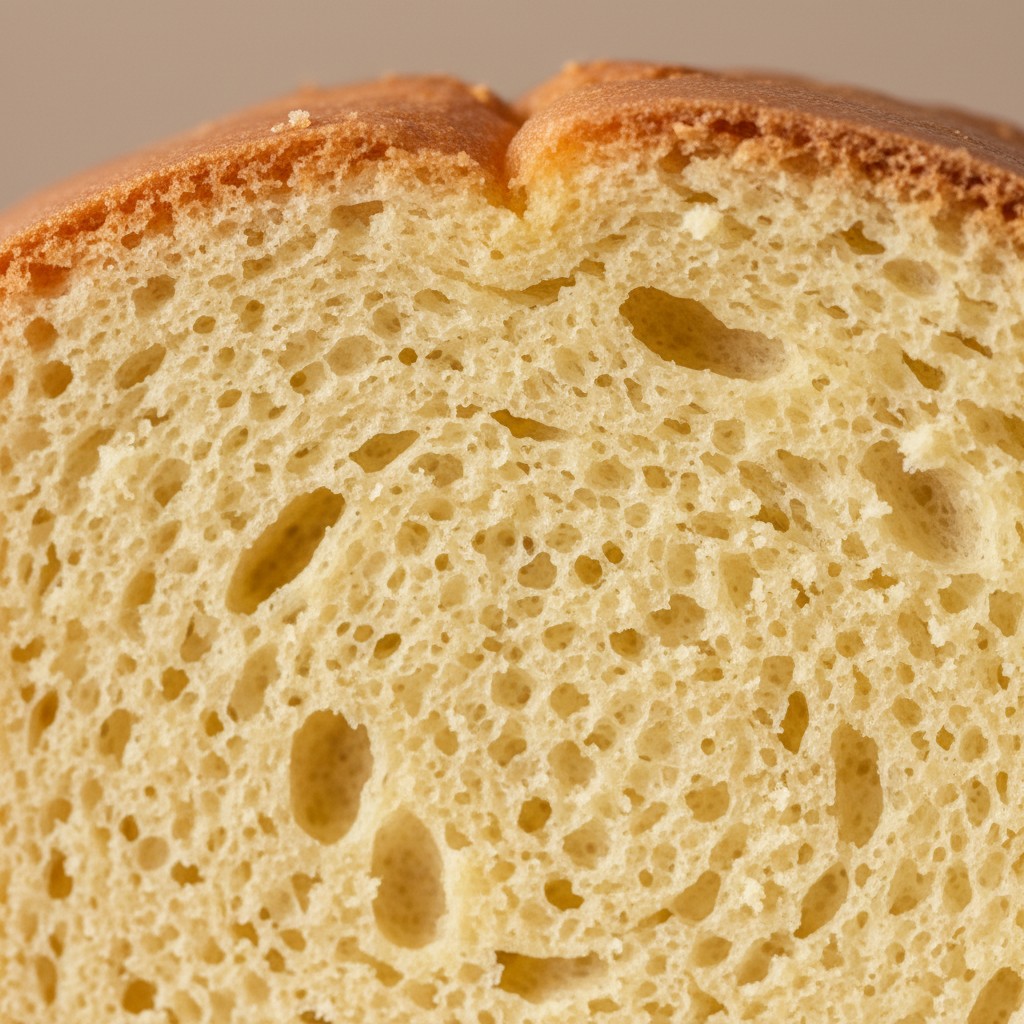
Delia's Notes from the Kitchen
The success of this sponge rests entirely on technique, not an extensive list of ingredients. The bowl for whisking eggs must be completely free of any grease, as even a tiny speck of fat can prevent the eggs from reaching their full volume. Using a large metal spoon for folding is not just a whim; its sharp edge cuts through the mixture cleanly, which is more effective and gentle than a plastic spatula. Trust the process, take your time with the whisking, and you will be rewarded with a truly magnificent sponge.
How to Store & Reheat
An unfilled fatless sponge is best eaten on the day it's made for the best texture. However, you can wrap it tightly in clingfilm and store it in an airtight container at room temperature for up to 2 days. For longer storage, wrap the cooled, unsliced sponge in a double layer of clingfilm and then a layer of foil, and freeze for up to 1 month. Defrost at room temperature for a few hours before filling.
Frequently Asked Questions
Why did my sponge sink in the middle?
This is usually due to one of three things: the oven door being opened too early, under-baking, or not whisking the eggs and sugar to the full ribbon stage. Ensure the sponge springs back when touched before removing it from the oven.
Can I make this with plain flour?
Yes, you can. Simply replace the 75g of self-raising flour with 75g of plain flour and add 1 level teaspoon of baking powder. Sift them together twice to ensure the baking powder is evenly distributed.
My sponge is tough, not light. What went wrong?
A tough sponge is almost always the result of over-mixing when folding in the flour. This knocks out the air that you worked so hard to incorporate. Fold only until the flour is just combined and you see no more white streaks.
Why do the eggs need to be at room temperature?
Room temperature eggs whip up to a much greater volume than cold eggs straight from the fridge. This volume is essential for achieving the light, airy texture that defines a fatless sponge.
Can I double the recipe for a larger cake?
I would advise against simply doubling the ingredients in one bowl. It's much harder to achieve the correct aeration and fold properly with larger quantities. It's far better and more reliable to make two separate batches to ensure a perfect result for each layer.