My Classic Lemon Drizzle Cake
This is the definitive recipe for a truly classic lemon drizzle cake. It's wonderfully simple to make, yet the result is a perfectly moist, zesty sponge with that all-important crunchy sugar topping.
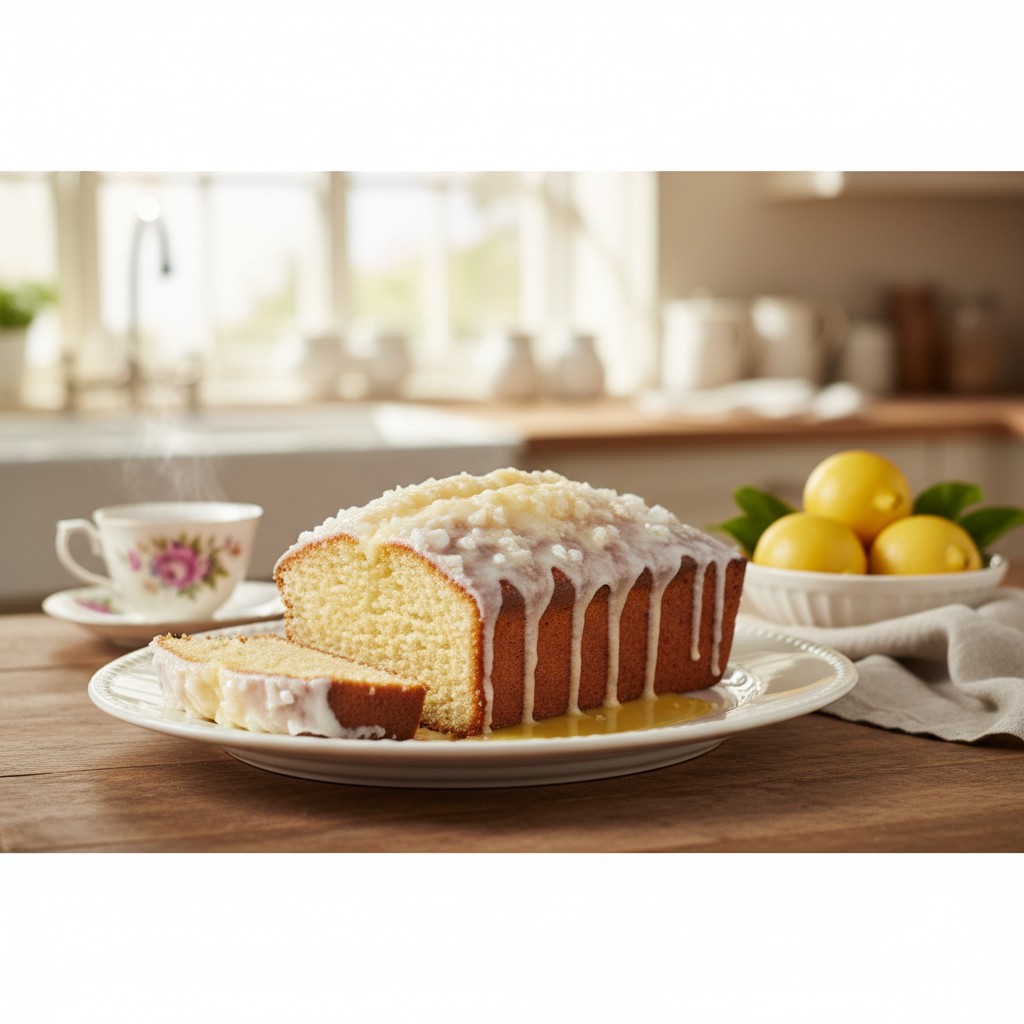
The Secrets to a Perfect Delia Smith Lemon Drizzle Cake Recipe
My Delia Smith Lemon Drizzle Cake Recipe is, I believe, one of the most rewarding cakes a home baker can master. There is something so utterly reliable and cheering about it. It requires no fancy equipment, no complicated techniques, just good ingredients and a little attention to detail. It is the sort of cake that sits happily in a tin for a few days, ready to be sliced and served with a cup of tea whenever the mood strikes.
Over the years, I have seen many variations, but the true essence of a lemon drizzle cake lies in the balance of a soft, light sponge with the sharp, sweet crunch of the lemon-sugar topping. The secret is to pour the drizzle over the cake while it is still warm, allowing the syrup to seep into the sponge, making it incredibly moist, while the sugar granules remain on top to form a crisp crust. It is a textural delight.
This recipe uses the all-in-one method, which is wonderfully straightforward and forgiving. Everything goes into the bowl at once. This simplicity, however, does not compromise the quality of the finished cake. Provided you use good-quality, room temperature ingredients, you will be rewarded with a bake that is both impressive and, more importantly, a complete joy to eat.
Why You'll Love This Recipe
- The all-in-one method is incredibly reliable and minimizes the risk of over-mixing, resulting in a tender crumb.
- Using self-raising flour provides a consistent, even rise without the need for separate raising agents.
- Pouring the drizzle onto the warm cake allows the syrup to permeate the sponge for maximum moisture, while the sugar forms a distinct crunchy topping.
- Using both the zest in the cake and the juice in the drizzle ensures a deep, multi-layered lemon flavour throughout.
Ingredients
- 175g self-raising flour, sieved
- 175g soft butter or baking spread, at room temperature, plus extra for greasing
- 175g caster sugar
- 3 large free-range eggs, at room temperature
- Finely grated zest of 1 large unwaxed lemon
- For the Drizzle Topping:
- Juice of 1½ large lemons
- 110g granulated sugar
Equipment Needed
2lb (900g) loaf tin · Baking parchment · Large mixing bowl · Electric hand whisk or wooden spoon · Fine-mesh sieve · Fine skewer or cocktail stick · Small bowl
Step-by-Step Instructions
- First, pre-heat your oven to 180°C (160°C Fan, Gas Mark 4). Grease a 2lb (900g) loaf tin thoroughly with butter, then line the base and sides with a single piece of baking parchment. This 'sling' will make it much easier to lift the cake out later.
- Now for the all-in-one method. Place all the cake ingredients – the sieved flour, soft butter, caster sugar, eggs, and lemon zest – into a large mixing bowl.
- Using an electric hand whisk, beat the ingredients together on a medium speed for about one minute, or until everything is combined and the mixture is smooth. Do be careful not to over-mix; stop as soon as the ingredients are homogenous. If mixing by hand, use a wooden spoon and a bit of elbow grease, creaming the butter and sugar first before gradually adding the other ingredients.
- Spoon the mixture into your prepared loaf tin and level the surface with the back of a spoon or a small spatula.
- Bake on the middle shelf of the pre-heated oven for 40-45 minutes. The cake is ready when it's golden brown, well-risen, and a skewer inserted into the centre comes out clean.
- While the cake is baking, prepare the drizzle. Simply mix the lemon juice and granulated sugar together in a small bowl. Do not be tempted to heat it; you want the sugar granules to remain whole for the crunchy topping.
- Once the cake is cooked, leave it in its tin for about 5 minutes. Then, while it is still warm, use a fine skewer or cocktail stick to prick holes all over the surface of the cake.
- Slowly and evenly, spoon the lemon and sugar drizzle over the top of the warm cake. The syrup will sink in, and the sugar will sit on top. Don't rush this part; let it absorb gradually.
- Leave the cake in the tin until it is completely cold. This is very important, as it allows the topping to set into a crisp, crunchy shell. Once cold, use the baking parchment to lift it out and place it on a wire rack.
Delia's Notes from the Kitchen
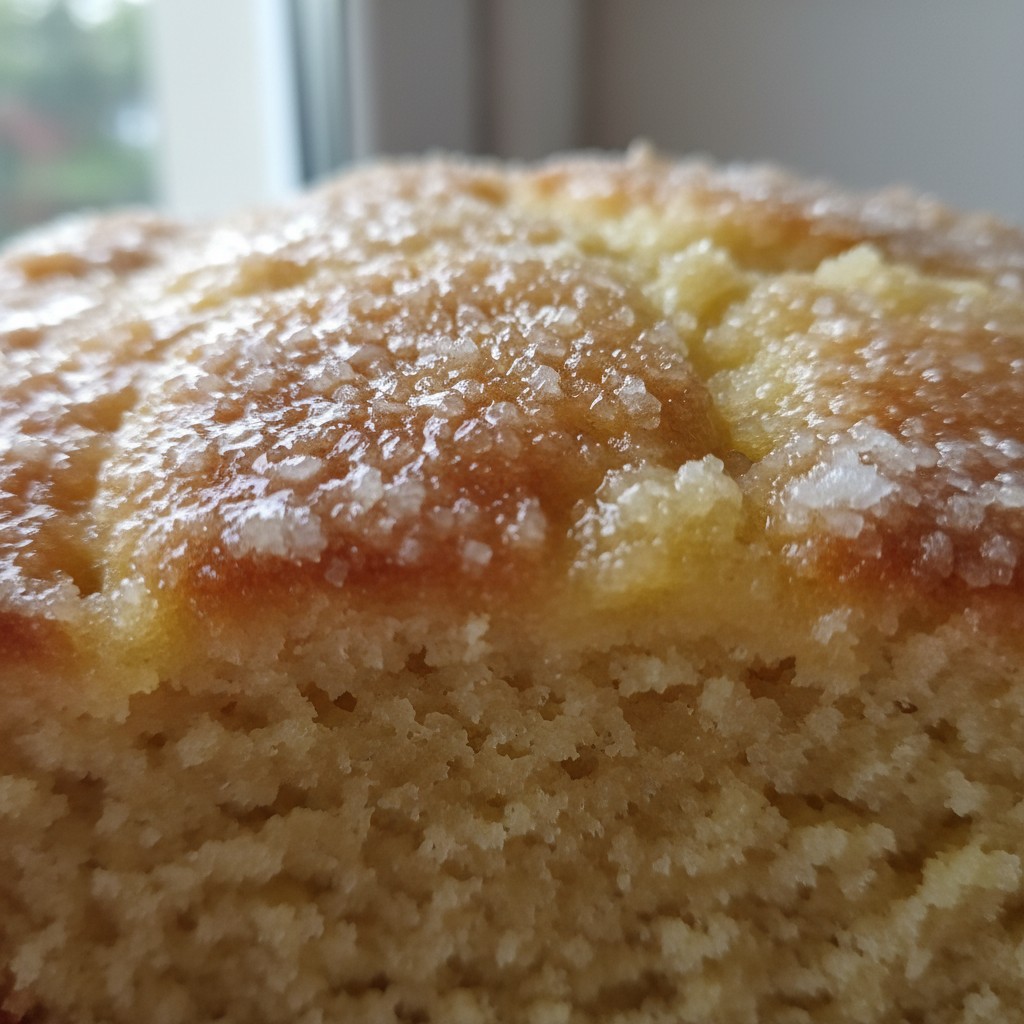
The absolute key to this recipe is the topping. You must use granulated sugar, not caster. It is the larger granules that give you that wonderful crunchy texture which contrasts so beautifully with the moist sponge. When you pour the drizzle, do it slowly, allowing it to pool and seep in. The patience will be rewarded. And please, wait until it is completely cold before you even think about cutting it; this allows the crust to set properly.
How to Store & Reheat
The Lemon Drizzle Cake will keep beautifully for 3-4 days in an airtight container or cake tin at room temperature. Do not store it in the refrigerator, as this will harden the butter and spoil the texture. This cake is not suitable for reheating.
Frequently Asked Questions
Why did my cake sink in the middle?
A sunken cake is usually caused by one of two things: opening the oven door too early, which causes a sudden drop in temperature, or underbaking. Always use a skewer to test that the centre is fully cooked before removing it from the oven.
Can I use bottled lemon juice?
I really must insist on using fresh lemons. The flavour is far superior, and you need the fresh zest for the cake batter itself. Bottled juice can have a metallic or muted taste that won't do the cake justice.
My drizzle just soaked in and didn't form a crust. What went wrong?
This happens if the cake is too hot or if you used caster sugar instead of granulated for the topping. Granulated sugar has larger crystals that don't dissolve as quickly, which is what creates that signature crunch. Also, ensure the cake has cooled for 5 minutes before drizzling.
Can I make this as a round cake?
Certainly. This mixture will fit an 18cm (7-inch) round, deep cake tin. You may need to adjust the cooking time slightly, so start checking it after 35 minutes.
How do I get my butter to room temperature quickly?
If you've forgotten to take the butter out of the fridge, don't be tempted to microwave it as it will melt unevenly. The best way is to cut it into small cubes and leave it on a plate for 15-20 minutes. It will soften much more quickly.