My Creole Christmas Cake
Discover a wonderfully spicy and moist alternative to traditional fruitcake this Christmas. My Creole Christmas Cake is steeped in rum and packed with flavour.
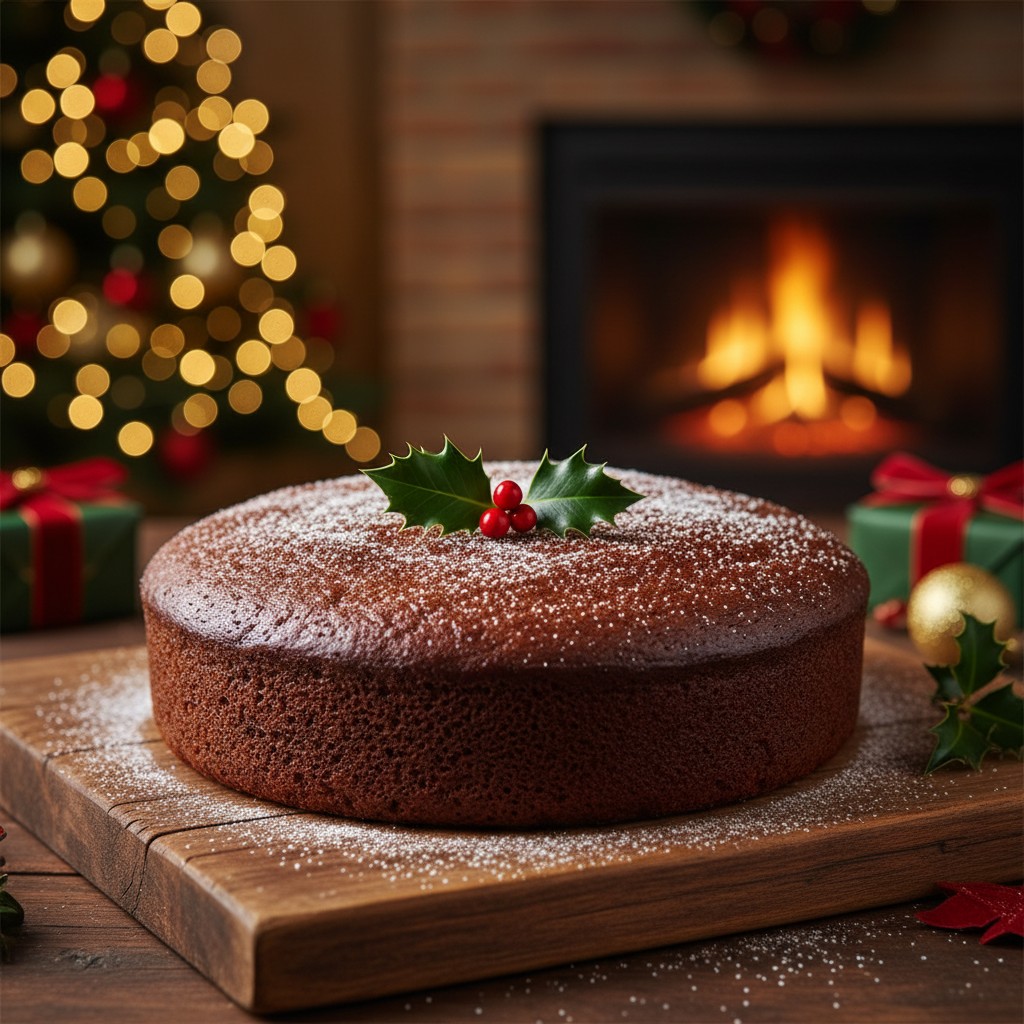
A Step-by-Step Guide to the Perfect Delia Smith Creole Christmas Cake Recipe
For a truly memorable festive bake, my Delia Smith Creole Christmas Cake Recipe offers a wonderful departure from the more familiar English version. It’s a cake that speaks of warmth, spice, and generosity, inspired by the vibrant flavours of the Caribbean. The secret lies in a long, patient soaking of the fruits in good dark rum and a unique blend of spices that fills the kitchen with the most incredible aroma as it bakes.
This isn't a cake to be rushed; it’s a project to be savoured, beginning weeks, or even months, before Christmas. The process of making it, from soaking the fruit to feeding the finished cake, becomes a cherished ritual of the season. The result is a cake that is intensely dark, profoundly moist, and packed with a complexity of flavour that develops and deepens over time.
Don't be daunted by the long ingredient list or the cooking time. I will guide you through each stage with precise instructions to ensure a perfect result. Trust the process, and you will be rewarded with a magnificent cake to share with your family and friends.
Why You'll Love This Recipe
- Soaking the fruit for a minimum of three days (and up to a week) in dark rum ensures every piece is plump, moist, and deeply flavourful, which is the foundation of the cake's character.
- The combination of black treacle and dark muscovado sugar is essential for achieving the signature deep, dark colour and rich, slightly bitter caramel notes.
- A long, slow bake at a low temperature is crucial for cooking the cake through without burning the exterior, resulting in a perfectly even and moist crumb.
- Lining the tin properly with a double layer of baking parchment inside and brown paper outside provides insulation, protecting the cake from the direct heat of the oven and preventing a dry, crusty edge.
Ingredients
- 225g (8oz) currants
- 175g (6oz) raisins
- 175g (6oz) stoned, ready-to-eat prunes, chopped
- 110g (4oz) glacé cherries, halved
- 50g (2oz) mixed candied peel, finely chopped
- 150ml (5 fl oz) dark rum, plus extra for feeding
- 225g (8oz) plain flour
- ½ teaspoon salt
- ½ level teaspoon ground nutmeg
- ½ level teaspoon ground cinnamon
- ½ level teaspoon allspice
- 225g (8oz) unsalted butter, at room temperature
- 225g (8oz) dark muscovado sugar
- 2 tablespoons black treacle
- 4 large free-range eggs, lightly beaten
- 50g (2oz) whole almonds, blanched and chopped
Equipment Needed
20cm (8 inch) round deep cake tin · Baking parchment · Brown paper and string · Large mixing bowls · Electric hand whisk or stand mixer · Sieve · Spatula or large metal spoon · Fine skewer for testing
Step-by-Step Instructions
- First, prepare the fruit. In a large bowl, combine the currants, raisins, chopped prunes, halved cherries, and mixed peel. Pour over the 150ml of dark rum, stir well to combine, then cover the bowl tightly with cling film. Leave in a cool, dark place for at least 3 days, and up to a week, stirring occasionally.
- When you are ready to bake, preheat the oven to 140°C, 275°F, Gas Mark 1. You must now prepare your tin. Grease a 20cm (8 inch) round, deep cake tin. Line the base and sides with a double layer of baking parchment, ensuring the parchment comes up about 5cm (2 inches) above the rim of the tin. For extra protection, wrap the outside of the tin with a double layer of brown paper or newspaper, tied securely with string.
- In a separate bowl, sift the flour with the salt and all the spices. Set aside.
- In a very large mixing bowl, cream the butter and dark muscovado sugar together using an electric hand whisk until light and fluffy. Then, beat in the black treacle.
- Gradually add the beaten eggs, a little at a time, beating well after each addition. If the mixture begins to curdle, add a tablespoon of the sifted flour mixture.
- Using a large metal spoon or spatula, gently fold in the remaining flour and spice mixture in two halves. Do not overmix.
- Finally, fold in the rum-soaked fruit mixture and the chopped almonds. The mixture will be quite stiff.
- Spoon the mixture into your prepared tin, pressing it down gently into the corners and levelling the surface. You can make a slight hollow in the centre with the back of the spoon, which will help the cake to bake with a flat top.
- Place the tin in the centre of the preheated oven and bake for 4 to 4½ hours. After 4 hours, test the cake by inserting a long, fine skewer into the centre. If it comes out clean, the cake is cooked. If there is wet mixture on it, give it another 15-30 minutes and test again.
- Once cooked, leave the cake to cool in its tin for at least an hour before turning it out onto a wire rack. Peel off the baking parchment and leave it to cool completely.
- When the cake is completely cold, you can 'feed' it. Using a fine skewer, poke several holes over the surface of the cake. Spoon 1-2 tablespoons of dark rum over the top, allowing it to soak in. Wrap the cake first in fresh baking parchment and then in a double layer of foil. Store in a cool, dark place in an airtight container.
- Feed the cake every 1-2 weeks in the run-up to Christmas. It can be decorated with marzipan and icing a week before serving, or simply left plain.
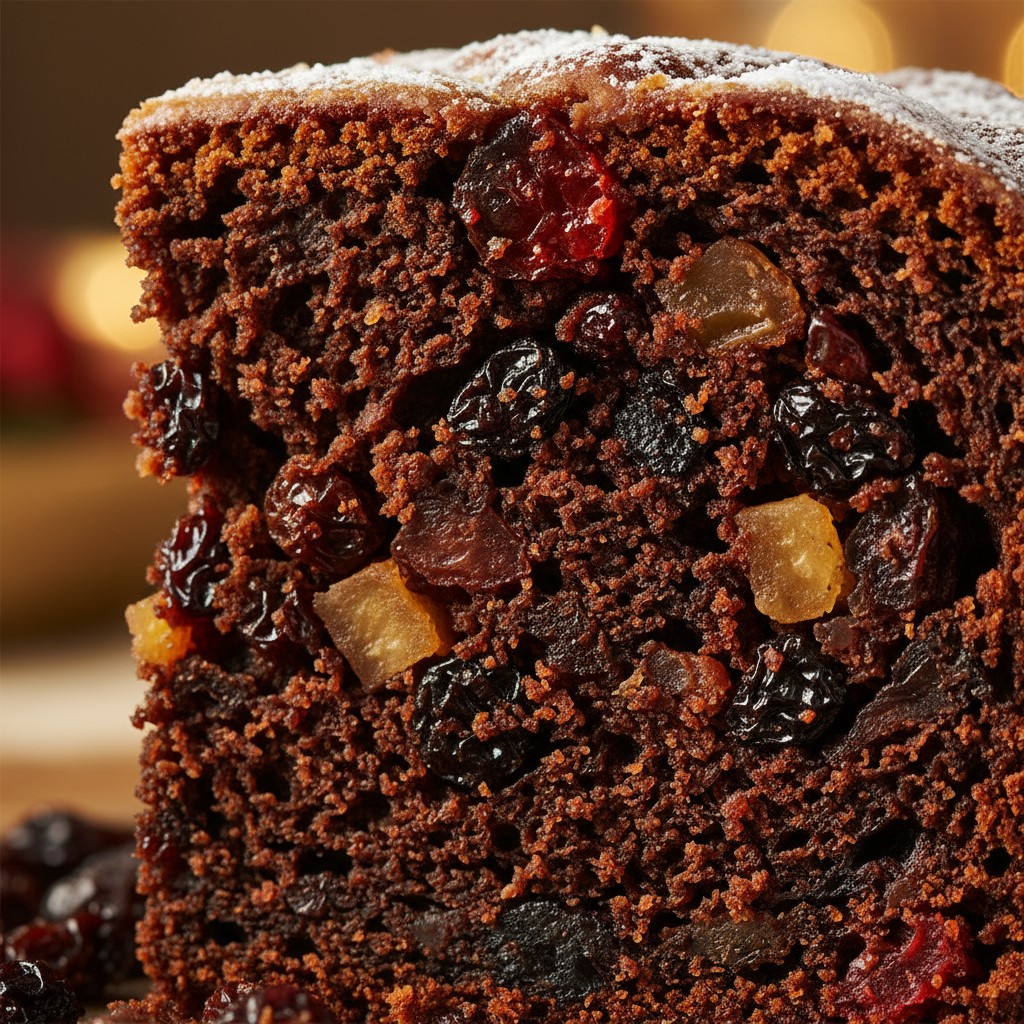
Delia's Notes from the Kitchen
The preparation of the cake tin is not a step to be glossed over; it is the absolute foundation of success for a long-baked fruit cake. The double lining and external wrapping act as a miniature, controlled oven within your oven, ensuring the heat penetrates slowly and evenly. It prevents the outside from becoming a hard, dry crust while the inside is still raw. Please, take your time with this step – it is your insurance policy for a perfect cake.
How to Store & Reheat
Storage is key to a good Christmas cake. Once cool, wrap the cake in a double layer of baking parchment, followed by a layer of foil. Store it in an airtight tin in a cool, dark place (not the fridge). It will keep for several months. To 'feed' the cake, unwrap it every fortnight and spoon over 1-2 tablespoons of rum before re-wrapping securely. Do not attempt to reheat this cake.
Frequently Asked Questions
How far in advance must I make this cake?
For the best flavour, you should aim to make it at least one month before Christmas, though 2-3 months is even better. This allows time for the flavours to mature and for you to 'feed' it several times.
My cake top is becoming too dark during baking. What should I do?
This is a common issue with long-baking cakes. If you notice it browning too quickly, simply place a double layer of baking parchment, with a small hole cut in the middle, loosely on top of the cake for the remaining cooking time. The external paper wrapping on the tin also helps prevent this.
Is it absolutely necessary to feed the cake with more rum?
While the cake will still be delicious without feeding, the process adds significant moisture and flavour, and it also helps to preserve the cake for longer. I highly recommend it for the best result.
Can I make this Creole Christmas Cake alcohol-free?
The dark rum is central to the character and preservation of this particular cake. You could try soaking the fruit in strong black tea or orange juice, but the cake will have a very different flavour and will not keep as long. It would need to be eaten within a week or two.
Why did my fruit sink to the bottom of the cake?
This can happen for a few reasons. The batter may have been too loose (from over-beating or incorrect ingredient measurements), or the fruit may have been wet rather than just damp from the rum. Ensuring your fruit is well-drained after soaking and folding it into a properly made, stiff batter is key.