The Ultimate Classic Christmas Pudding
There's simply nothing quite like a homemade Christmas Pudding to crown your festive feast. This recipe ensures a rich, dark, and utterly delicious result, steeped in tradition and flavour.
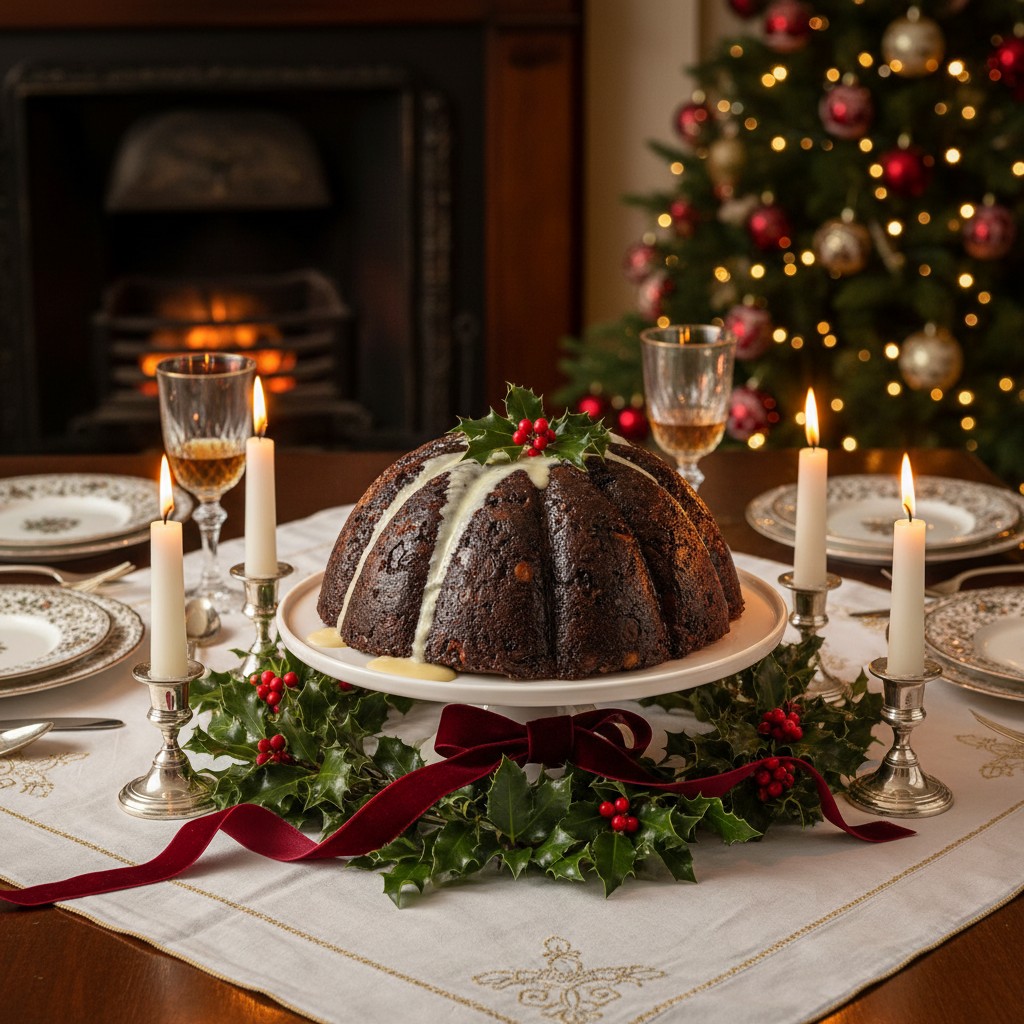
The Christmas Pudding, for many, is the very heart of the festive meal, a deeply cherished tradition that brings families together around the table. There's a particular joy in making your own, knowing that every stir and every ingredient contributes to something truly special that will be savoured and remembered.
This recipe, dear reader, is designed to guide you to a pudding that is rich, dark, and wonderfully moist, bursting with the flavours of dried fruits, warming spices, and a generous measure of brandy. It's a testament to the comforting, robust flavours of British cooking, and a dish that truly improves with time, allowing those glorious flavours to meld and deepen.
While the thought of making a Christmas Pudding might seem a little daunting to the uninitiated, I assure you, with careful attention to these instructions, you will achieve a magnificent result. It is a labour of love, certainly, but one that yields immense satisfaction and a truly unforgettable centrepiece for your Christmas Day.
Why You'll Love This Recipe
- The extended soaking of the dried fruits ensures they are plump and juicy, infusing the pudding with deep flavour.
- The balance of suet, breadcrumbs, and flour creates a perfectly moist yet sturdy texture that steams beautifully.
- A long, slow steaming process is crucial for developing the pudding's characteristic dark colour and rich, dense consistency.
- The essential maturation period allows all the ingredients to meld together, deepening the flavours and aroma significantly.
Ingredients
- 225g (8oz) sultanas
- 225g (8oz) raisins
- 225g (8oz) currants
- 110g (4oz) glacé cherries, halved
- 110g (4oz) mixed candied peel, finely chopped
- 50g (2oz) blanched almonds, chopped
- 150ml (5fl oz) brandy, plus extra for feeding
- 225g (8oz) fresh white breadcrumbs
- 110g (4oz) plain flour
- 1 level tsp mixed spice
- 1/2 level tsp ground cinnamon
- 1/4 level tsp freshly grated nutmeg
- 225g (8oz) dark muscovado sugar
- 225g (8oz) shredded beef suet
- 4 large eggs, beaten
- Zest of 1 large orange
- Zest of 1 large lemon
- 1 tbsp black treacle (molasses)
- A pinch of salt
Equipment Needed
Large mixing bowls · 2.25 litre (4 pint) pudding basin · Baking parchment · Aluminium foil · Kitchen string · Large steamer or deep saucepan with lid · Measuring jugs and spoons · Grater (for zest and nutmeg)
Step-by-Step Instructions
- **The Day Before:** In a large bowl, combine the sultanas, raisins, currants, glacé cherries, mixed peel, and chopped almonds. Pour over the 150ml (5fl oz) brandy, stir well, cover, and leave to soak overnight.
- **Preparing the Basin:** The next day, thoroughly grease a 2.25 litre (4 pint) pudding basin with butter. Cut a circle of baking parchment to fit the base and line it, then grease the parchment too. Cut a large circle of baking parchment and a large circle of foil, both about 30cm (12 inches) in diameter. Pleat both in the middle to allow for expansion, and set aside.
- **Mixing the Dry Ingredients:** In a very large mixing bowl, combine the breadcrumbs, flour, mixed spice, cinnamon, nutmeg, dark muscovado sugar, shredded suet, and a pinch of salt. Stir thoroughly to ensure all ingredients are evenly distributed.
- **Adding Wet Ingredients:** Add the soaked fruits (and any remaining brandy in the bowl) to the dry ingredients. Then add the beaten eggs, orange zest, lemon zest, and black treacle. Mix everything together very thoroughly with a large spoon or your hands. This is an excellent time to make a wish!
- **Filling the Basin:** Spoon the mixture into the prepared pudding basin, pressing it down gently but firmly to remove any air pockets. Fill it to about 1cm (1/2 inch) below the rim.
- **Covering and Steaming:** Place the pleated baking parchment circle directly on top of the pudding, then cover with the pleated foil circle. Secure both tightly with string under the rim of the basin. Create a handle with string across the top for easy lifting.
- **Initial Steaming:** Place the basin in a large steamer or a deep saucepan with a tight-fitting lid. Pour boiling water into the pan to come halfway up the sides of the basin. Bring the water back to a simmer, then cover tightly and steam for 8-9 hours, checking the water level periodically and topping up with more boiling water as needed. The water must not boil dry.
- **Cooling and Storing:** After the initial steaming, carefully remove the pudding from the steamer. Remove the foil and parchment, then cover the surface with fresh baking parchment and fresh foil. Store the pudding in a cool, dark place for at least a month, or up to several months, turning it over occasionally.
- **Feeding the Pudding (Optional but Recommended):** Every few weeks, you may 'feed' the pudding by making a few holes in the top with a skewer and spooning over a tablespoon or two of extra brandy. Re-cover tightly.
- **Christmas Day Re-steaming:** On Christmas Day, replace the old parchment and foil with fresh, and re-steam the pudding for a further 2 hours using the same method as before. This will ensure it is piping hot and wonderfully moist.
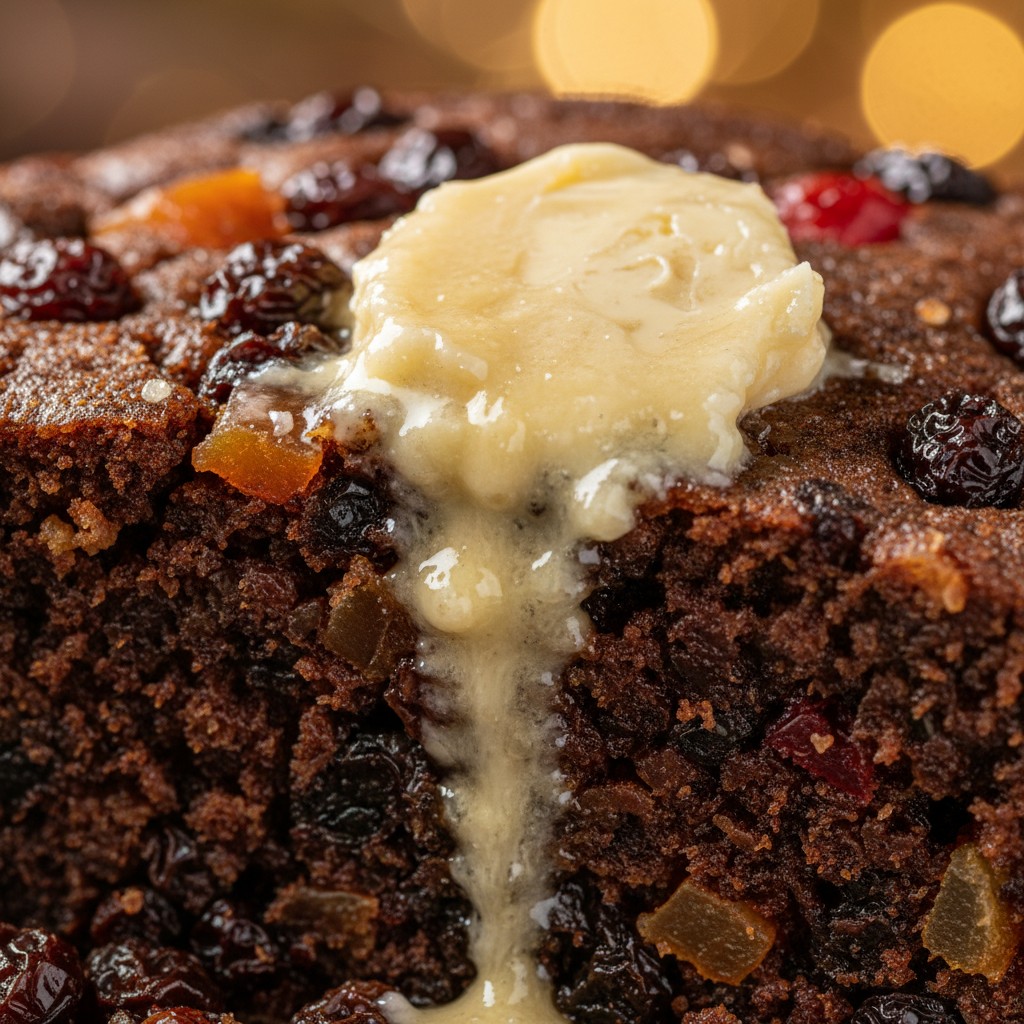
- **Serving:** To serve, remove the pudding from the steamer, carefully take off the coverings, and invert it onto a serving plate. You may flambé it with warmed brandy just before serving, or simply serve with brandy butter, fresh cream, or a good homemade custard.
Delia's Notes from the Kitchen
The success of a truly magnificent Christmas Pudding lies in a few crucial details. Firstly, the quality of your ingredients is paramount; good, plump dried fruits and fresh suet make all the difference. Secondly, the long, slow steaming is non-negotiable; it's what develops that rich, dark colour and dense, moist texture. Do not be tempted to rush it. And finally, patience! The maturation period is where the magic truly happens, allowing all those wonderful festive flavours to meld and deepen into something truly extraordinary. Treat it with care, and it will reward you handsomely.
How to Store & Reheat
Once steamed, allow the pudding to cool completely. Replace the parchment and foil with fresh, ensuring it's sealed tightly. Store in a cool, dark, dry place (like a larder or cupboard) for at least a month to allow the flavours to mature. It will keep well for several months. On Christmas Day (or when serving), re-steam the pudding for 2 hours using the same method as the initial steaming to ensure it's heated through and moist. Alternatively, it can be reheated in a microwave on a medium setting for 5-10 minutes, checking frequently, but steaming yields the best texture.
Frequently Asked Questions
Can I make this pudding without alcohol?
Yes, absolutely. For an alcohol-free version, substitute the brandy with strong cold black tea, orange juice, or a mixture of apple juice and a little vanilla extract for soaking and feeding. The pudding will still be delicious and moist.
How far in advance can I make my Christmas Pudding?
Christmas Puddings are traditionally made on 'Stir-up Sunday' (the last Sunday before Advent), giving them about a month to mature. However, they can be made up to three months in advance, and some even prefer to make them a year ahead! The longer they mature, the deeper and richer the flavours become.
My pudding seems a bit dry, what went wrong?
A dry pudding can often be attributed to not enough liquid, over-steaming, or not enough 'feeding' with brandy during maturation. Ensure your basin is tightly sealed during steaming to prevent moisture loss, and don't hesitate to give it an extra 'feed' or two if you notice it drying out.
How do I ensure my pudding doesn't stick to the basin?
The key is thorough greasing of the basin, and using baking parchment on the bottom and sides (if preferred, though a well-greased basin is often sufficient for the sides). Make sure to press the mixture down firmly into the basin to avoid air pockets, which can sometimes lead to sticking.
What's the best way to flambé a Christmas Pudding?
To flambé, gently warm a few tablespoons of brandy in a small saucepan (do not boil). Carefully pour the warm brandy over the hot pudding, then immediately ignite it with a long match or lighter. Carry the flaming pudding to the table and allow the flames to die down naturally before serving. Ensure no flammable materials are nearby.