My Ultimate Sticky Toffee Pudding
This is, quite simply, the definitive recipe for a truly magnificent Sticky Toffee Pudding. A feather-light date sponge is drenched in a wickedly rich toffee sauce.
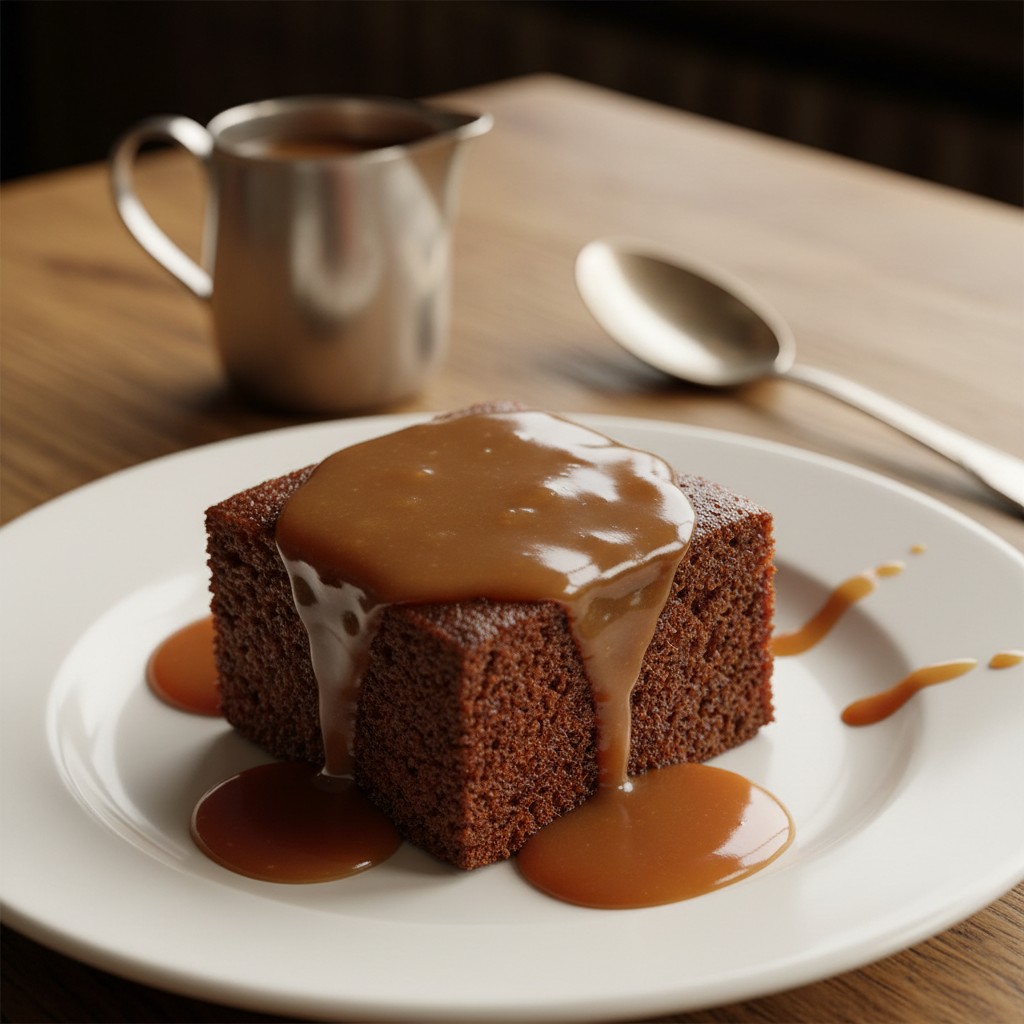
There are puddings, and then there is Sticky Toffee Pudding. It holds a unique place in the pantheon of Great British Desserts, promising and delivering a level of comfort that few others can match. It’s the sort of pudding you dream of on a cold, wet Sunday; a true culinary hug in a bowl.
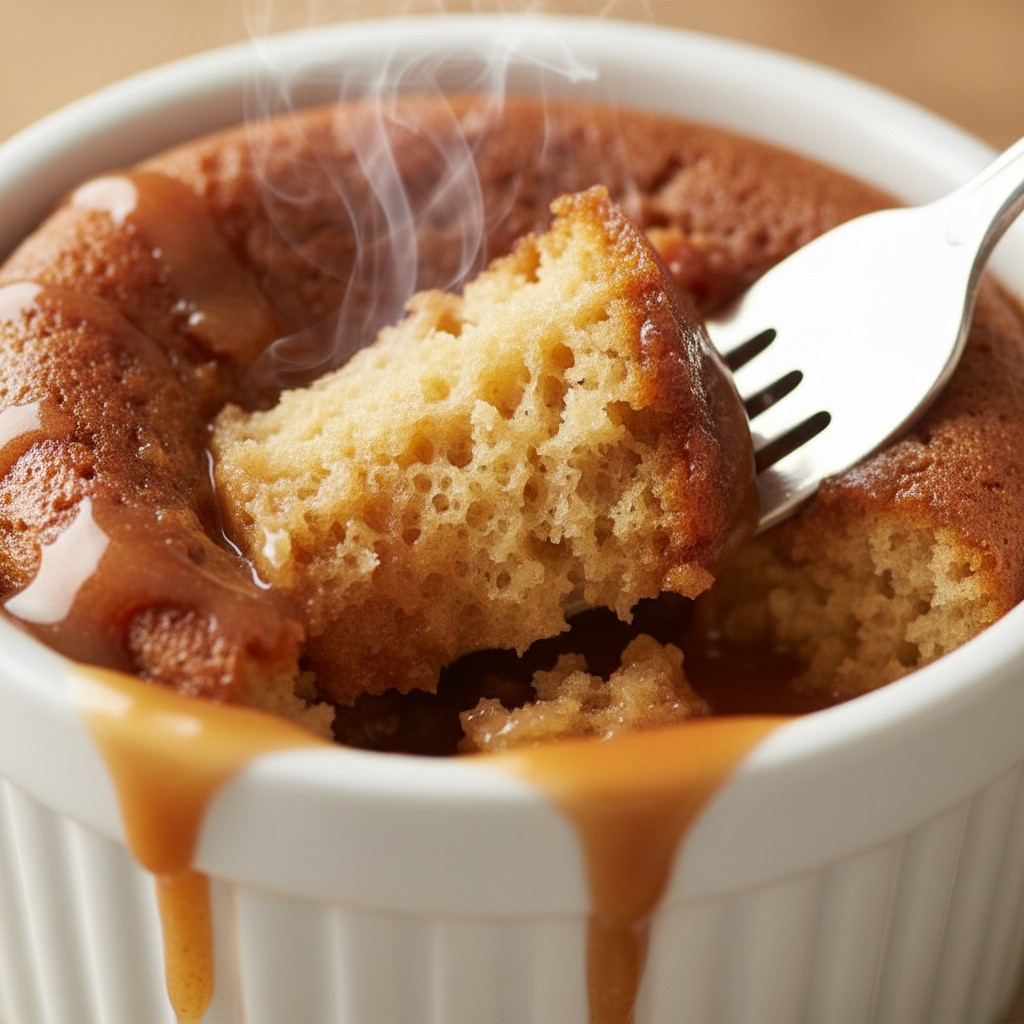
Many people are slightly intimidated by it, imagining a complex, multi-stage process. The truth is, it's one of the most straightforward and rewarding puddings you can make. The magic lies in a very light date sponge – the dates themselves almost melt away, leaving behind a wonderful moisture and subtle sweetness – which is then unashamedly drenched in a gloriously rich, buttery toffee sauce.
Over the years, I have refined this recipe to what I believe is its perfect form. It is reliable, forgiving, and produces a truly first-class result every single time. Follow the steps with care, and I promise you will have a pudding that will earn you a round of applause at the table. So, let’s get our aprons on and learn how to make it properly.
Why You'll Love This Recipe
- Soaking the chopped dates in boiling water with a little bicarbonate of soda is a crucial step. The alkali in the bicarbonate breaks down the fruit's skin, allowing it to dissolve into the batter and create a supremely moist, tender crumb without large chunks.
- Using dark soft brown or muscovado sugar is non-negotiable for authentic flavour. Its high molasses content provides a deep, complex, treacly taste to both the sponge and the sauce that you simply cannot achieve with other sugars.
- Making the sauce separately and pouring half over the warm sponge allows it to soak in beautifully, infusing the pudding with flavour and moisture. The remaining sauce is then served warm at the table for that final, glorious, glossy finish.
Ingredients
- For the pudding:
- 175g stoned dates, roughly chopped
- 175ml boiling water
- 1 tsp bicarbonate of soda
- 50g unsalted butter, softened, plus extra for greasing
- 150g dark soft brown sugar
- 2 large free-range eggs, at room temperature, lightly beaten
- 175g self-raising flour
- 1 tsp vanilla extract
- For the toffee sauce:
- 100g unsalted butter
- 175g dark soft brown sugar
- 200ml double cream
Equipment Needed
20cm square baking tin or 1.2 litre ovenproof dish · Baking parchment · Medium bowl for soaking dates · Large mixing bowl · Electric hand whisk or wooden spoon · Sieve · Large metal spoon or spatula · Medium heavy-based saucepan · Skewer
Step-by-Step Instructions
- First, pre-heat your oven to 180°C (160°C Fan, Gas Mark 4). Grease and base-line a 20cm square baking tin or a 1.2 litre ovenproof dish.
- Place the chopped dates in a bowl. Pour the boiling water over them, add the bicarbonate of soda, and give it a quick stir. The bicarbonate will cause a slight fizzing. Set this aside for about 15 minutes to allow the dates to soften completely.
- In a large mixing bowl, cream the 50g of softened butter and the 150g of dark soft brown sugar together using an electric hand whisk (or a wooden spoon and some elbow grease) until light and fluffy.
- Gradually add the beaten eggs, a little at a time, beating well after each addition to prevent the mixture from curdling. If it does look like it's beginning to curdle, simply add a tablespoon of your measured flour.
- Sift the self-raising flour into the creamed mixture and gently fold it in using a large metal spoon. Be careful not to overmix; just fold until the flour is incorporated.
- Now, add the vanilla extract to the softened date mixture and give it a stir. The dates should have broken down into a thick, dark purée. Pour this into the cake batter and fold it in gently until everything is evenly combined.
- Pour the batter into your prepared tin and level the surface with the back of a spoon. Bake on the middle shelf of the pre-heated oven for 35-40 minutes, or until the sponge is well-risen and a skewer inserted into the centre comes out clean.
- While the pudding is baking, make the sauce. Place the 100g of butter, 175g of dark soft brown sugar, and the 200ml of double cream into a medium, heavy-based saucepan. Heat it gently, stirring continuously, until the butter has melted and the sugar has completely dissolved. This is important – you must not feel any grainy texture when you rub a little of the sauce between your fingers.
- Once the sugar has dissolved, turn up the heat slightly and let the sauce bubble away for 2-3 minutes, stirring, until it has thickened a little. Be careful as it will be very hot.
- When the pudding is cooked, remove it from the oven. While it is still hot, poke holes all over its surface with a skewer. Pour half of the hot toffee sauce over the pudding, allowing it to seep into the sponge.
- Let the pudding stand in its tin for 10 minutes to absorb the sauce before serving. Serve warm squares of the pudding with the remaining sauce poured generously over the top.
Delia's Notes from the Kitchen
The one thing I must insist upon is the use of proper dark soft brown sugar or, even better, dark muscovado. It is the very soul of this pudding. Its deep, damp, molasses-rich character is what gives the authentic flavour, and light brown sugar or caster sugar simply will not do the same job. This is a pudding of glorious, unashamed indulgence, so let's do it properly.
How to Store & Reheat
The pudding can be made a day or two in advance. Store it, covered, in the fridge. The sauce should also be stored in a covered container in the fridge. To reheat, you can warm individual portions in the microwave for 30-40 seconds. To reheat the whole pudding, cover it with foil and place it in an oven preheated to 160°C (140°C Fan) for about 15-20 minutes until warmed through. The sauce can be gently reheated in a saucepan over a low heat.
Frequently Asked Questions
Can I use fresh dates instead of dried ones?
Yes, you can use fresh Medjool dates. They are softer, so you may not need to soak them for as long. Just ensure they are stoned and chopped, and proceed with the recipe as written. The flavour will be slightly different, but still delicious.
Why is my toffee sauce grainy?
A grainy sauce is almost always because the sugar has not fully dissolved before the mixture comes to a boil. It's vital to heat the sauce gently at the start, stirring, until you are certain the sugar crystals have completely melted. Test this by rubbing a little between your fingers – it should feel smooth, not gritty.
Can I make this pudding gluten-free?
Yes. You can substitute the self-raising flour with a good quality gluten-free self-raising flour blend. If you use a gluten-free plain flour blend, remember to add 2 teaspoons of gluten-free baking powder. The texture may be slightly different, but it will still be very good.
Can I freeze sticky toffee pudding?
Absolutely. It freezes exceptionally well. You can freeze the entire pudding (with the initial layer of sauce soaked in) in its dish, well-wrapped in cling film and foil. Or, freeze individual portions. Freeze the remaining sauce separately. Defrost at room temperature and reheat as per the instructions above.
My pudding seems a little heavy. What did I do wrong?
A heavy pudding can be caused by a couple of things. Over-mixing the flour can develop the gluten, so always fold it in gently. It could also be that the butter and sugar were not creamed enough at the start – you are looking for a very light and airy consistency to incorporate air into the batter.