A Truly Magical Lemon Surprise Pudding
There are some puddings that possess a little touch of kitchen magic, and this is certainly one of them. A beautifully light sponge conceals a pool of sharp, tangy lemon sauce beneath.
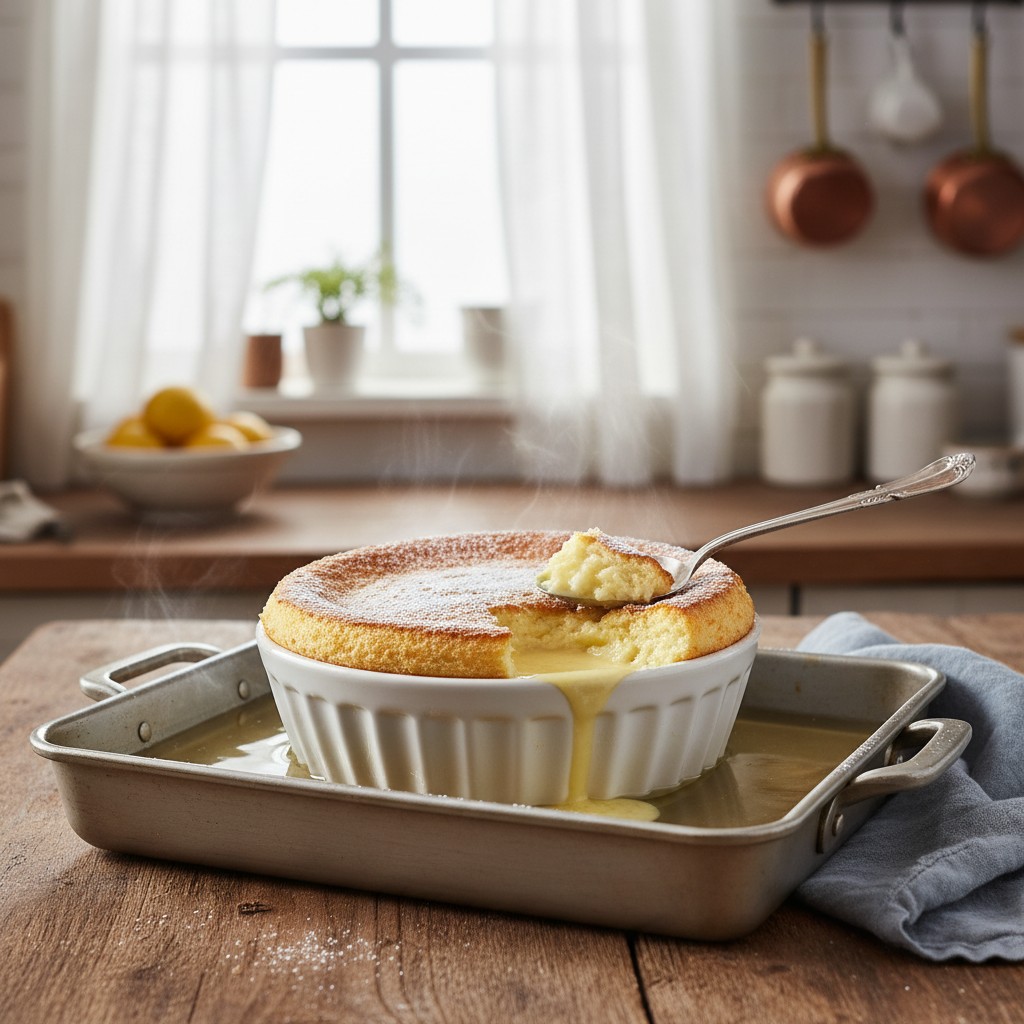
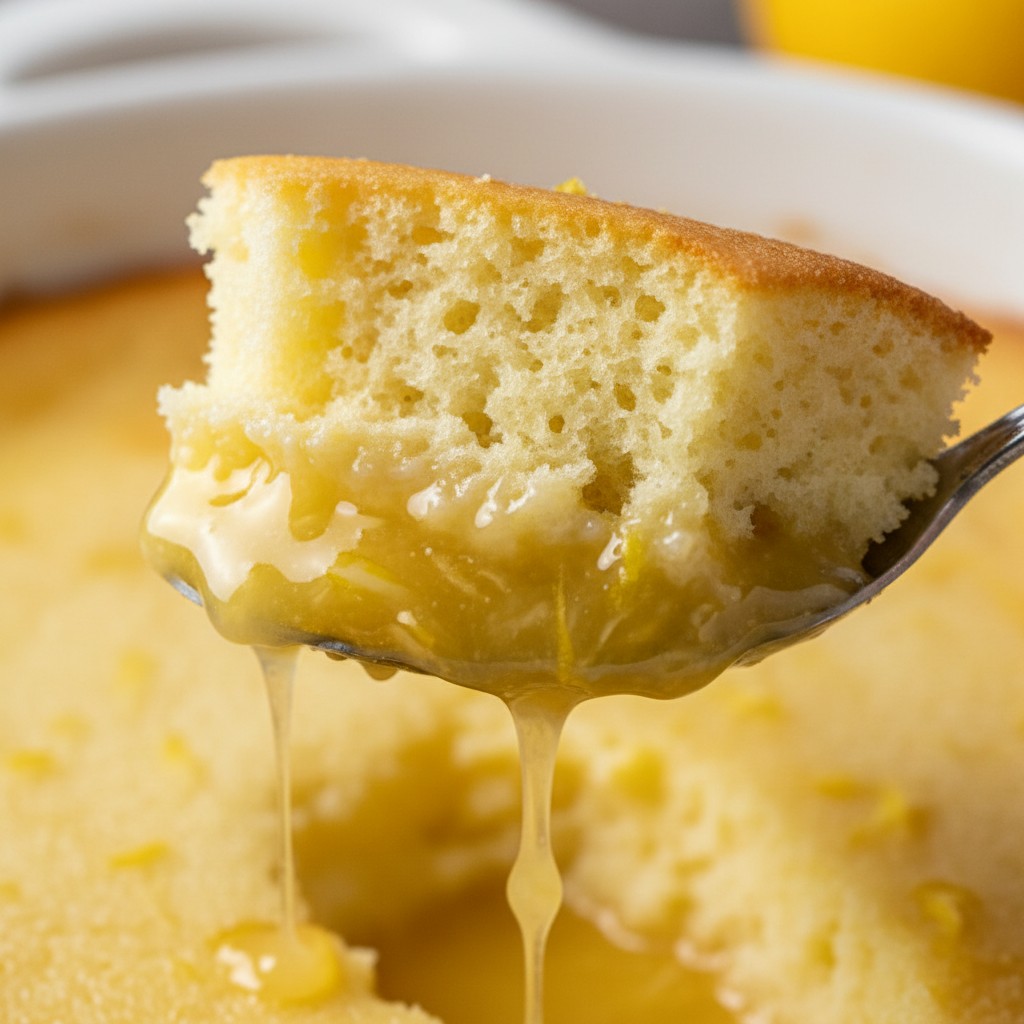
There are few puddings in the British repertoire quite as delightful or as seemingly magical as this one. The ‘surprise’ in its name refers to the rather clever transformation that happens in the oven: a simple batter separates as it bakes, creating a light, airy sponge on top and a wonderfully sharp, liquid lemon sauce at the bottom. It is, in essence, a pudding that makes its own sauce.
For generations, this has been a go-to dessert for family Sunday lunches or a comforting treat on a cold evening. Its charm lies in its simplicity – using staple ingredients like eggs, sugar, flour, and, of course, beautifully zesty lemons. There’s no need for any complicated techniques, just a little care and attention to the method.
My aim here is to give you a recipe that works perfectly every single time. By following the steps precisely, particularly when it comes to the eggs and the baking, you will be rewarded with a pudding that is both a joy to make and an absolute pleasure to eat. It is the sort of reliable, honest pudding that every home cook should have in their collection.
Why You'll Love This Recipe
- The separation of egg yolks and whites is key. The yolks enrich the sauce base while the whipped whites create the light, soufflé-like sponge topping.
- Baking the pudding in a bain-marie (a water bath) provides gentle, even heat. This prevents the sauce from boiling and allows the sponge to cook through without drying out.
- The precise ratio of flour and liquid is what allows the heavier sauce ingredients to sink and the lighter, air-filled sponge batter to rise during baking.
Ingredients
- 50g unsalted butter, at room temperature, plus extra for greasing
- 150g caster sugar
- 2 large eggs, separated
- Finely grated zest of 2 large, unwaxed lemons
- 60ml fresh lemon juice (from the 2 lemons)
- 50g self-raising flour
- 250ml full-fat milk
Equipment Needed
1.2 litre (2 pint) ovenproof pudding or soufflé dish · Large mixing bowl · Separate, clean bowl for egg whites · Electric hand whisk or wooden spoon · Sieve · Large metal spoon · Zester or fine grater · Juicer · Roasting tin (for the water bath)
Step-by-Step Instructions
- First of all, pre-heat your oven to 180°C (160°C Fan, Gas Mark 4). You will also need to find a roasting tin or high-sided baking dish that is large enough to hold your pudding dish.
- Next, select a 1.2 litre (2 pint) ovenproof pudding dish (a soufflé dish is perfect here) and grease it thoroughly with butter. Also, boil a kettle of water for the water bath later.
- In a large mixing bowl, cream the 50g of butter and the caster sugar together using an electric hand whisk or a wooden spoon until the mixture is pale, light and fluffy. This step incorporates air, which is important for the texture.
- Now, separate the eggs. Add the two egg yolks to the creamed butter and sugar, along with the finely grated lemon zest. Beat them in until everything is well combined.
- Sift the flour into the bowl and fold it in gently using a large metal spoon. Then, gradually whisk in the lemon juice and the milk. Don't be alarmed if the mixture looks curdled at this stage; this is perfectly normal and it will come together.
- In a separate, spotlessly clean bowl, whisk the two egg whites until they form stiff peaks. You should be able to turn the bowl upside down without the whites sliding out – that’s how you know they’re ready.
- Take one large spoonful of the whipped egg whites and beat it into the lemon mixture to loosen it up slightly. Then, add the remaining whites and fold them in very gently with a metal spoon, using a figure-of-eight motion. The key is to keep as much air in the mixture as possible, so do be gentle.
- Carefully pour the batter into your prepared pudding dish. Place the dish into the roasting tin.
- Now for the water bath. Pour the hot water from the kettle into the roasting tin so that it comes about halfway up the sides of the pudding dish. This is the bain-marie.
- Bake on the middle shelf of the pre-heated oven for 45-50 minutes. The pudding is cooked when the sponge on top is golden brown, well-risen, and feels firm to the touch.
- Carefully remove the roasting tin from the oven. Let the pudding stand for a minute or two before serving. It is best served warm, straight from the dish.
Delia's Notes from the Kitchen
The real secret to success here is confidence with the egg whites. Don't be timid when folding them in, but be methodical. Use a large metal spoon as it has a cutting edge that helps to incorporate the whites without losing all the precious air you've whisked in. It's this air that gives the sponge its characteristic lightness and allows it to float on top of the sauce ingredients as they bake. It really is a small moment of kitchen alchemy.
How to Store & Reheat
Lemon Surprise Pudding is definitely at its very best served warm, fresh from the oven. If you do have leftovers, they can be covered and stored in the refrigerator for up to 2 days. To reheat, place an individual portion in a microwave-safe bowl and heat gently for 30-45 seconds until just warm. The texture will not be quite as light as when freshly baked, but the flavour will still be lovely.
Frequently Asked Questions
Why didn't my pudding separate into two layers?
This is usually caused by one of two things. Either the egg whites were not folded in gently enough, causing the air to be knocked out, or the oven temperature was too high, causing the pudding to cook too quickly before the layers had a chance to settle. A gentle hand and a correctly calibrated oven are key.
Can I use bottled lemon juice instead of fresh?
I would strongly advise against it. The joy of this pudding is its fresh, vibrant flavour, which comes from using fresh lemons for both their zest and juice. Bottled juice lacks the fragrant oils from the zest and often has a much harsher acidity.
My pudding seems a bit 'eggy'. What did I do wrong?
An 'eggy' taste can sometimes occur if the pudding is slightly undercooked, or if the eggs weren't fresh. Ensure your eggs are as fresh as possible and that the sponge topping is firm to the touch and a good golden colour before removing it from the oven.
My sauce is very thin. How can I fix this?
The sauce is meant to be quite liquid, not thick like a custard. However, if it seems excessively watery, it might be that the water from the bain-marie was boiling too vigorously or the pudding was not cooked for quite long enough for the sauce to form properly.
Can I make this pudding in individual ramekins?
Yes, you certainly can. This recipe will make about 4-6 individual puddings. You will need to adjust the cooking time downwards, to around 25-30 minutes. Keep a close eye on them as they will cook much more quickly.