My Definitive Chocolate Brownies
There are brownies, and then there are proper chocolate brownies with a perfectly fudgy centre and a crisp, crackled top. This is the definitive recipe you can rely on time and time again.
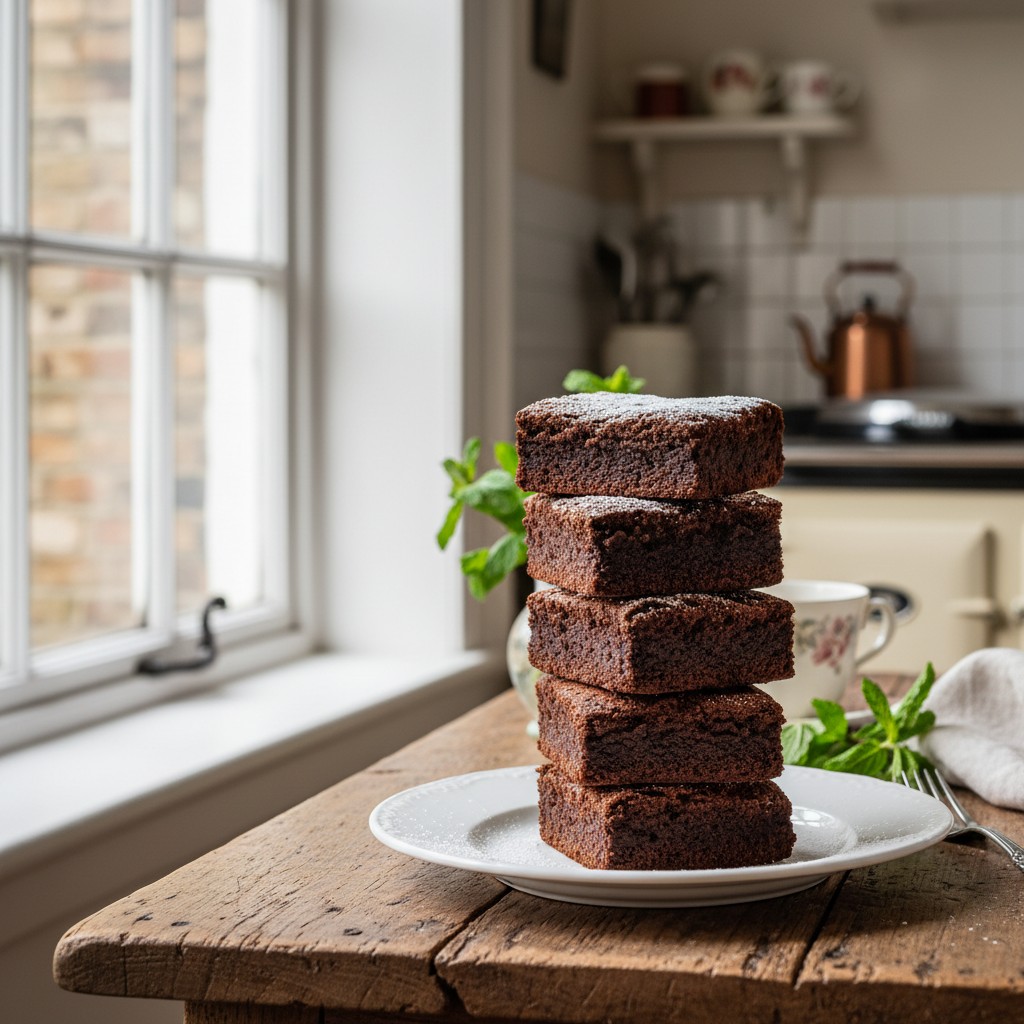
The Only Delia Smith Chocolate Brownies Recipe You Will Ever Need for a Perfect Fudgy Centre
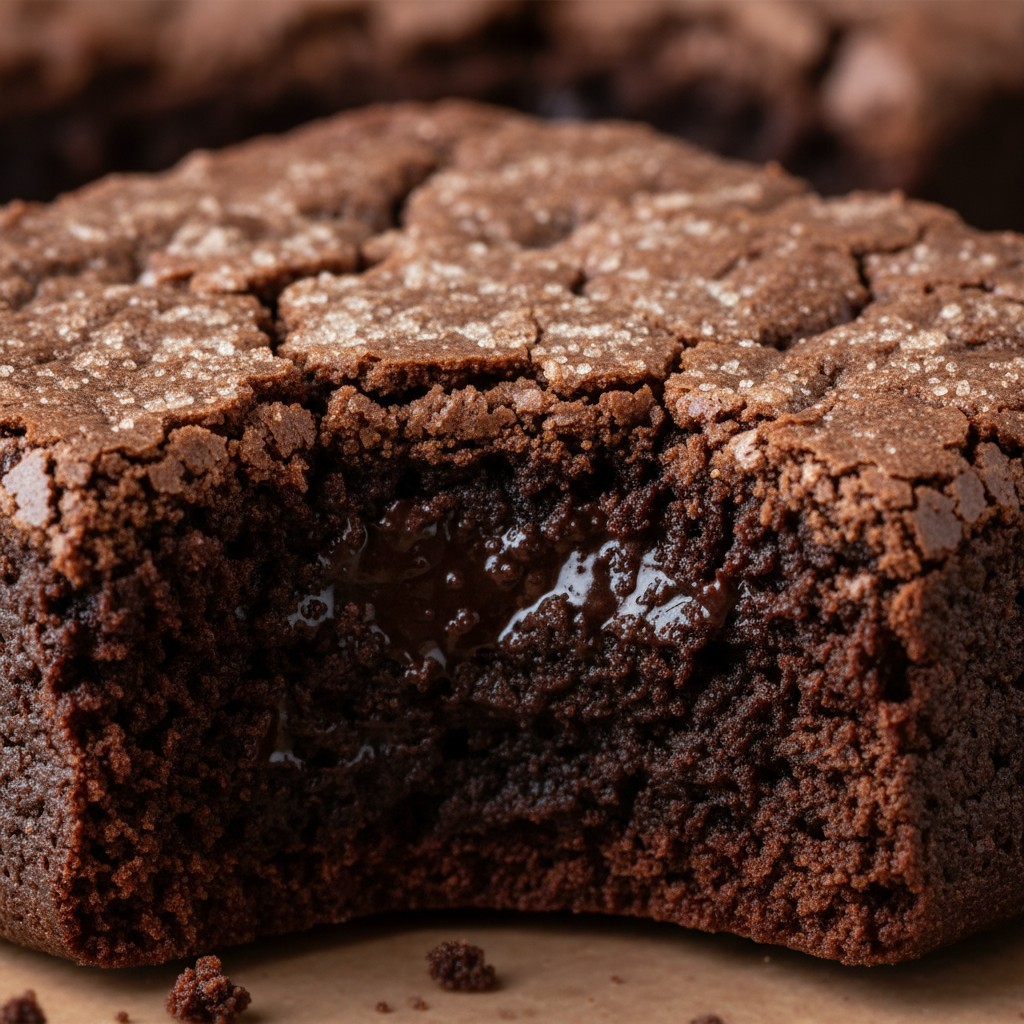
This Delia Smith Chocolate Brownies Recipe is, I believe, the only one you will ever need. So many recipes result in something that is more cake than brownie – light and airy. A proper brownie should be the absolute opposite: dense, dark, intensely chocolatey and, most importantly, possess a squidgy, fudgy centre that is almost mousse-like in its consistency.
Achieving this perfect texture is not a matter of luck; it is a matter of technique. It is about understanding how the ingredients work together, from melting the chocolate correctly to knowing exactly when to take the tin from the oven. Over the years, I have tested countless methods, and this is the one that delivers consistently perfect results every single time. It is straightforward, unfussy, and produces a brownie that is rich, sophisticated, and utterly moreish.
So, before you begin, clear your workspace, weigh everything with precision, and read the instructions through. We are not just baking; we are learning the craft of the perfect brownie. With a little care and attention, you will have a tray of the most wonderful brownies to share – or, indeed, to keep all to yourself.
Why You'll Love This Recipe
- Melting the butter and chocolate together creates a dense, fudgy base, unlike creaming butter and sugar which incorporates air for a cakey texture.
- Using both good-quality dark chocolate (70% cocoa solids) and cocoa powder provides a deep, complex chocolate flavour that isn't overly sweet.
- Whisking the eggs and sugar until pale and thick helps create the signature crisp, papery, crackled top.
- A short, sharp baking time is crucial; underbaking slightly ensures the centre remains squidgy and moist as it cools, which is the hallmark of a true brownie.
Ingredients
- 100g good-quality dark chocolate (70% cocoa solids), broken into small pieces
- 150g unsalted butter, cubed, plus extra for greasing
- 3 large free-range eggs
- 275g caster sugar
- 75g plain flour
- 40g cocoa powder
- A pinch of salt
Equipment Needed
20cm (8-inch) square shallow baking tin · Baking parchment · A heatproof bowl and a small saucepan (for a bain-marie) · Electric hand whisk · Sieve · Rubber or silicone spatula
Step-by-Step Instructions
- First, preheat your oven to 180°C (160°C Fan, Gas Mark 4). Then, take a 20cm (8-inch) square shallow baking tin and grease it well with butter, then line the base and sides with a single piece of baking parchment. It helps to leave a little overhang on two sides to act as 'handles' for lifting the brownie out later.
- Next, set up a bain-marie. This simply means placing a heatproof bowl over a small saucepan of barely simmering water, ensuring the base of the bowl does not touch the water. Add the broken chocolate and cubed butter to the bowl and allow them to melt gently together, stirring occasionally with a spatula until smooth and glossy. Once melted, remove the bowl from the heat and set it aside to cool slightly.
- In a separate, large bowl, using an electric hand whisk, beat the eggs and caster sugar together for a good 3-4 minutes on a high speed. You are looking for the mixture to become very pale, thick, and mousse-like. When you lift the beaters, it should leave a ribbon-like trail on the surface for a few seconds. This step is crucial for achieving that lovely crackled top.
- Now, pour the slightly cooled, melted chocolate mixture into the whisked egg mixture. Using a large metal spoon or spatula, gently fold the two together until they are just combined. Be careful not to knock out all the air you have just incorporated.
- Sift the plain flour, cocoa powder, and the pinch of salt directly over the bowl. Fold these dry ingredients in using the same gentle folding motion. Stop as soon as you can no longer see any streaks of flour; it is very important not to overmix the batter at this stage.
- Pour the batter into your prepared tin and gently level the surface with the back of the spatula. Place it on the centre shelf of the preheated oven and bake for 25-30 minutes.
- To check if it's done, insert a skewer or cocktail stick into the centre. It should come out with damp, sticky crumbs attached. If it comes out clean, it is overbaked. There should still be a very slight wobble in the very centre of the brownie. It is always better to underbake than overbake.
- Leave the brownie to cool completely in the tin set on a wire rack. This is a vital step, as it allows the centre to set to its perfect fudgy consistency. Do not be tempted to cut it while it is warm. Once completely cold, use the parchment paper 'handles' to lift it out of the tin and cut into 16 squares.
Delia's Notes from the Kitchen
The real secret to a fudgy brownie lies in the baking time. It is always, always better to err on the side of caution and take them out a moment too soon rather than a moment too late. When you test with a skewer, it must come out with damp, sticky crumbs attached, not clean and dry like a sponge cake. Remember, they will continue to cook and set in the residual heat of the tin as they cool, transforming from a wobbly batter into that perfectly squidgy centre we are aiming for.
How to Store & Reheat
Store the brownies in an airtight container at room temperature for up to 4 days. In fact, their texture often improves on the second day, becoming even fudgier. I do not recommend refrigerating them as this can dry them out. There is no need to reheat; simply serve at room temperature.
Frequently Asked Questions
Why didn't my brownies have a crackly, papery top?
The signature crackly top comes from whisking the eggs and sugar together thoroughly until they are very pale, thick, and mousse-like. If you under-whisk at this stage, you won't incorporate enough air to create that delicate meringue-like crust as it bakes.
My brownies turned out dry and cakey. What went wrong?
This is almost always due to one of two things: overbaking or overmixing. A brownie is done when a skewer comes out with moist crumbs, not clean. Even a minute or two too long in the oven can turn it from fudgy to cakey. Similarly, once you add the flour, fold it in very gently and stop as soon as it's combined to avoid developing the gluten, which creates a tougher texture.
Can I add nuts or other additions?
Yes, certainly. About 75g of chopped walnuts or pecans are a classic addition. Fold them in at the same time as the flour and cocoa powder. You could also add dark or white chocolate chips for extra texture.
Can I use a different sized baking tin?
You can, but you must adjust the baking time accordingly. A larger tin will result in a thinner brownie that needs less time in the oven, whereas a smaller, deeper tin will require a longer baking time. Keep a close eye on it and use the skewer test as your guide.
Is it really necessary to use a bain-marie to melt the chocolate?
I strongly recommend it. Chocolate can be very temperamental and scorches easily if it gets too hot. A bain-marie provides gentle, indirect heat, which melts the butter and chocolate perfectly without any risk of burning, ensuring a smooth, glossy base for your batter.