My Classic Bread and Butter Pudding
There is surely no greater comfort than a properly made Bread and Butter Pudding. Follow my guide for a truly superlative version, rich with custard and golden-topped.
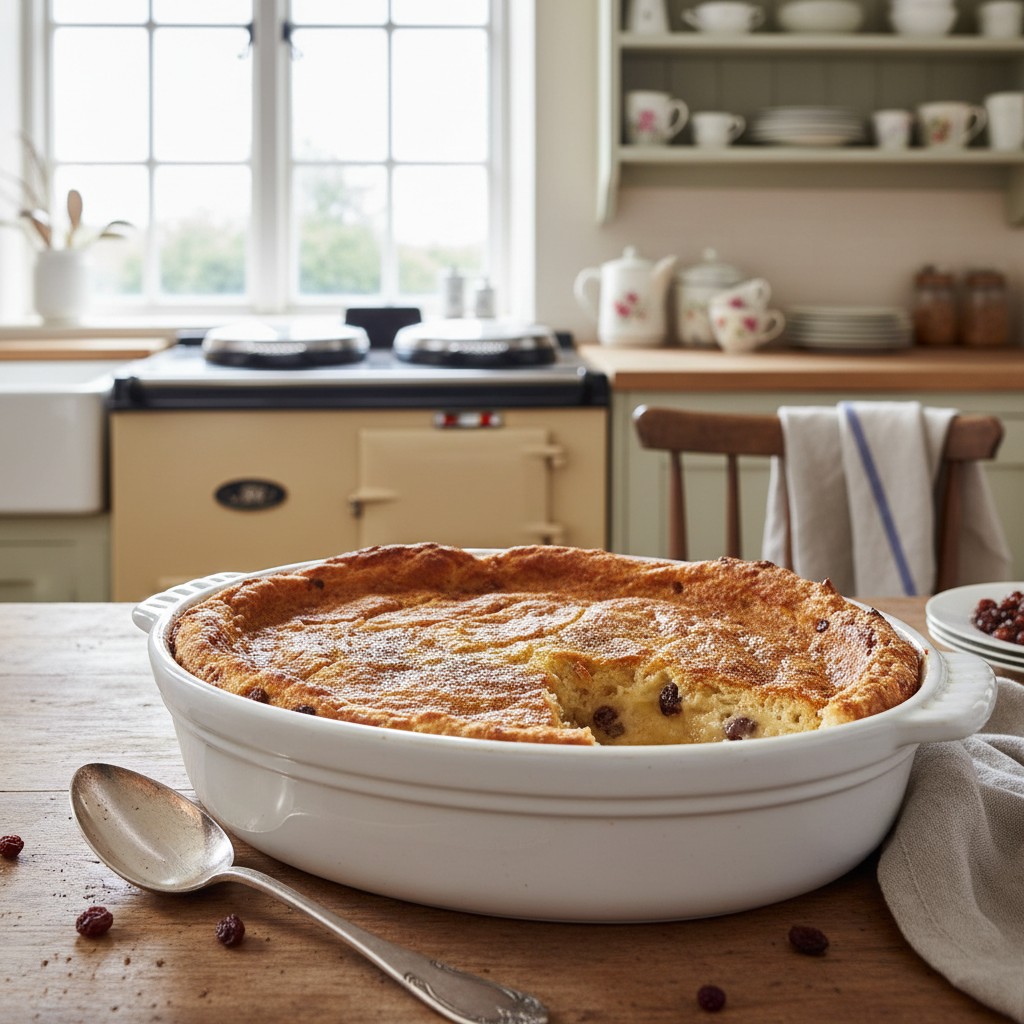
Some recipes are more than just food; they are part of our collective memory, a taste of childhood and comfort. Bread and Butter Pudding is one such dish. For generations, it has been the thrifty, ingenious answer to leftover bread, transforming the mundane into something truly magnificent. But to dismiss it as merely a way of using up stale crusts is to do it a great disservice. When made with care and the right ingredients, it is a dessert of sublime quality.
My method for this pudding is one I have refined over many years to ensure it is never soggy, never cloying, but always perfectly creamy with a crisp, golden top. The secret lies in a few key details: the type of bread, the ratio of milk to cream in the custard, and, most importantly, giving the bread proper time to soak. This is not a dish to be rushed; it is one to be assembled with thought, allowing the components to come together before the heat of the oven works its magic.
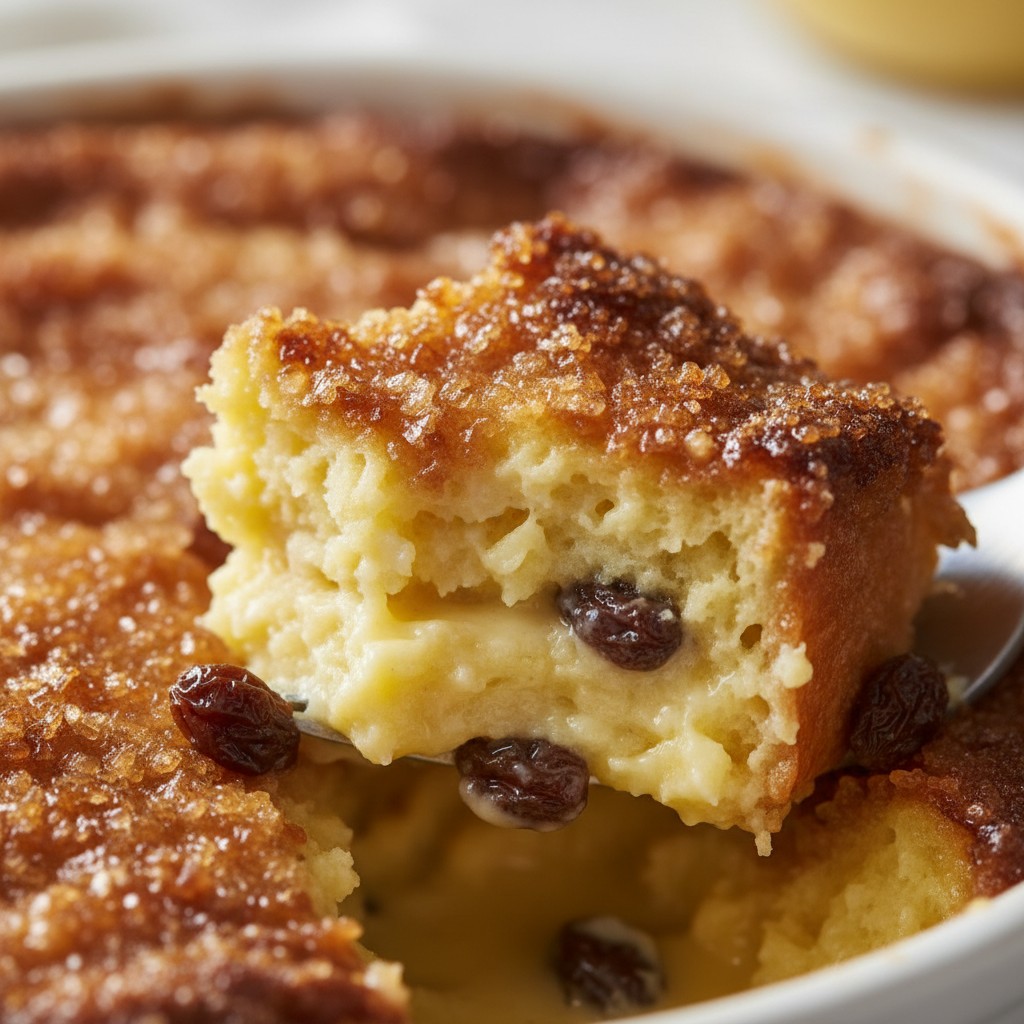
So please, put aside any memories you may have of school-dinner stodge. This is Bread and Butter Pudding as it is meant to be: a light, wobbly, vanilla-scented custard holding tender layers of bread, studded with sweet fruit and fragrant with nutmeg. It is, quite simply, one of the best puddings in the world, and I will show you how to make it perfectly.
Why You'll Love This Recipe
- Using slightly stale, good-quality white bread is essential. It has the structure to absorb the custard without disintegrating into a paste.
- A combination of full-fat milk and double cream creates a custard of unparalleled richness and a silky, luxurious texture.
- Allowing the pudding to stand for 30 minutes before baking is non-negotiable. This gives the bread time to fully absorb the custard, ensuring a uniform texture throughout.
- Baking the pudding in a bain-marie (a water bath) provides gentle, indirect heat, which cooks the custard slowly and prevents it from curdling or becoming rubbery.
Ingredients
- 50g (2oz) unsalted butter, softened, plus extra for greasing
- 8-10 slices of good-quality white bread, slightly stale
- 75g (3oz) sultanas or raisins
- 2 large free-range eggs
- 50g (2oz) caster sugar, plus extra for sprinkling
- 350ml (12 fl oz) full-fat milk
- 200ml (7 fl oz) double cream
- 1 tsp vanilla extract
- Freshly grated nutmeg
Equipment Needed
1.5 litre (2½ pint) shallow ovenproof dish · Small saucepan · Medium mixing bowl · Whisk · Measuring jug · Bread knife · Nutmeg grater or microplane · Large roasting tin (for the bain-marie)
Step-by-Step Instructions
- First, generously butter a 1.5 litre (2½ pint) shallow ovenproof dish.
- Remove the crusts from the bread slices (this is a matter of preference, but I find it gives a softer result). Butter each slice of bread right to the edges.
- Cut the buttered slices in half diagonally to form triangles. Arrange a layer of bread triangles, buttered-side up, in the prepared dish, overlapping them slightly. Sprinkle over half the sultanas.
- Arrange the remaining bread triangles on top to create a neat, slightly fanned pattern. Scatter the rest of the sultanas around the bread.
- Now, to make the custard. In a medium bowl, whisk the eggs and caster sugar together until pale. In a saucepan, gently heat the milk and double cream together until it's just about to reach boiling point – you'll see small bubbles forming at the edge. Do not let it boil.
- Pour the hot milk and cream mixture over the egg and sugar mixture, whisking continuously as you pour. This is called tempering and prevents the eggs from scrambling. Stir in the vanilla extract.
- Carefully and slowly, pour the finished custard over the bread in the dish, ensuring all the bread is covered. Gently press the bread down with the back of a spoon to help it absorb the liquid.
- Now for the most important step: leave the pudding to stand at room temperature for 30 minutes. This allows the bread to become thoroughly saturated.
- Preheat your oven to 180°C (160°C Fan, Gas Mark 4).
- Grate a generous amount of fresh nutmeg over the surface of the pudding and sprinkle with a little extra caster sugar for a crisp topping.
- Place the dish inside a larger, high-sided roasting tin. Pour hot water from a recently boiled kettle into the roasting tin to come halfway up the sides of the pudding dish. This is your bain-marie.
- Carefully place the tin in the centre of the preheated oven and bake for 35-40 minutes. The pudding is ready when it's golden brown on top and the custard is just set with a slight wobble in the middle.
- Remove from the oven, and very carefully lift the dish out of the hot water. Let it stand for 5-10 minutes before serving.
Delia's Notes from the Kitchen
A note on the bread: please don't be tempted to use a standard, soft sliced loaf from a plastic bag. The texture is too flimsy. You need a good, firm-textured white loaf from a baker, or a 'bloomer' style from the supermarket. It needs to have enough substance to stand up to the custard. And remember, slightly stale is always better than fresh.
How to Store & Reheat
Allow the pudding to cool completely, then cover the dish tightly with foil or cling film and store in the refrigerator for up to 2 days. To reheat, place the covered dish in an oven preheated to 160°C (140°C Fan, Gas Mark 3) for 15-20 minutes, or until warmed through. Reheating in a microwave can cause the custard to split, so the oven is best.
Frequently Asked Questions
Why did my bread and butter pudding turn out watery?
This usually happens for two reasons: the custard was undercooked, or the bread was too fresh and released moisture. Ensure the pudding is baked until it has only a slight wobble in the centre, and always use bread that is a day or two old for best absorption.
Do I really need to use a bain-marie?
I strongly recommend it. The water bath protects the custard from the direct, harsh heat of the oven, cooking it gently and evenly. It's the best way to guarantee a silky, creamy texture and prevent a rubbery or curdled base.
Can I use semi-skimmed milk or skip the cream to make it lighter?
You can, but it will change the character of the pudding. The richness of the full-fat milk and double cream is what creates that truly luxurious, traditional taste and texture. For a special treat, I'd urge you to use them.
Can I prepare this ahead of time?
You can assemble the pudding up to the point before baking. Cover it and store it in the refrigerator for a few hours. Just be sure to bring it back to room temperature for about 30 minutes before it goes into the oven, and you may need to add a few extra minutes to the baking time.
My bread just floats on top of the custard. What did I do wrong?
This is why the 30-minute soaking time is so crucial. If you don't let it stand, the bread won't have had a chance to absorb the liquid and will simply float. Be patient, and press it down gently with a spoon before you leave it to soak.