My Fail-Safe Recipe for Proper Yorkshire Puddings
There is a real art to making proper Yorkshire Puddings, but it is an art that is very easy to master. Follow this foolproof method for guaranteed success and a perfect accompaniment to your roast.
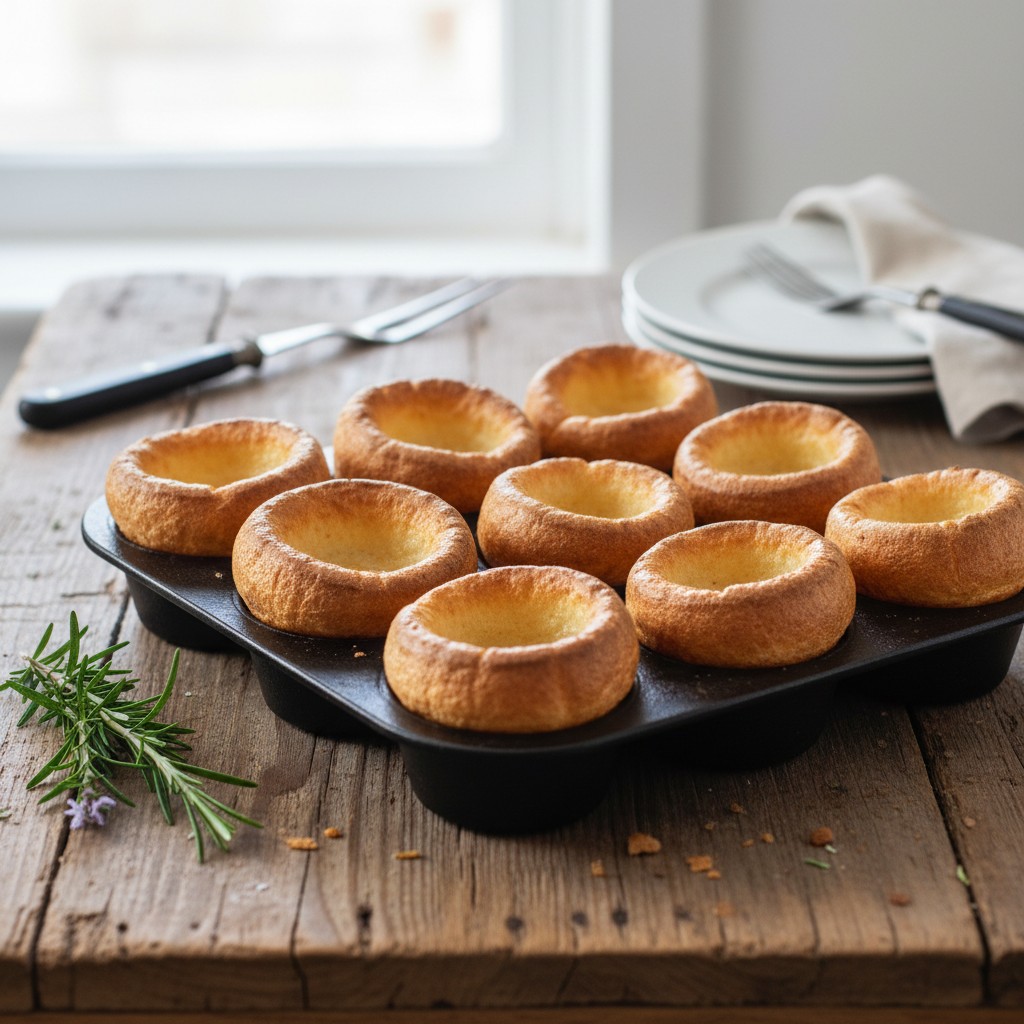
Of all the components of a traditional Sunday lunch, it is the Yorkshire Pudding that seems to cause the most anxiety. Stories abound of flat, dense, or oily failures. But I am here to tell you that producing magnificent, well-risen puddings is not a dark art, but a simple science. It requires no special luck, just an adherence to a few golden rules.
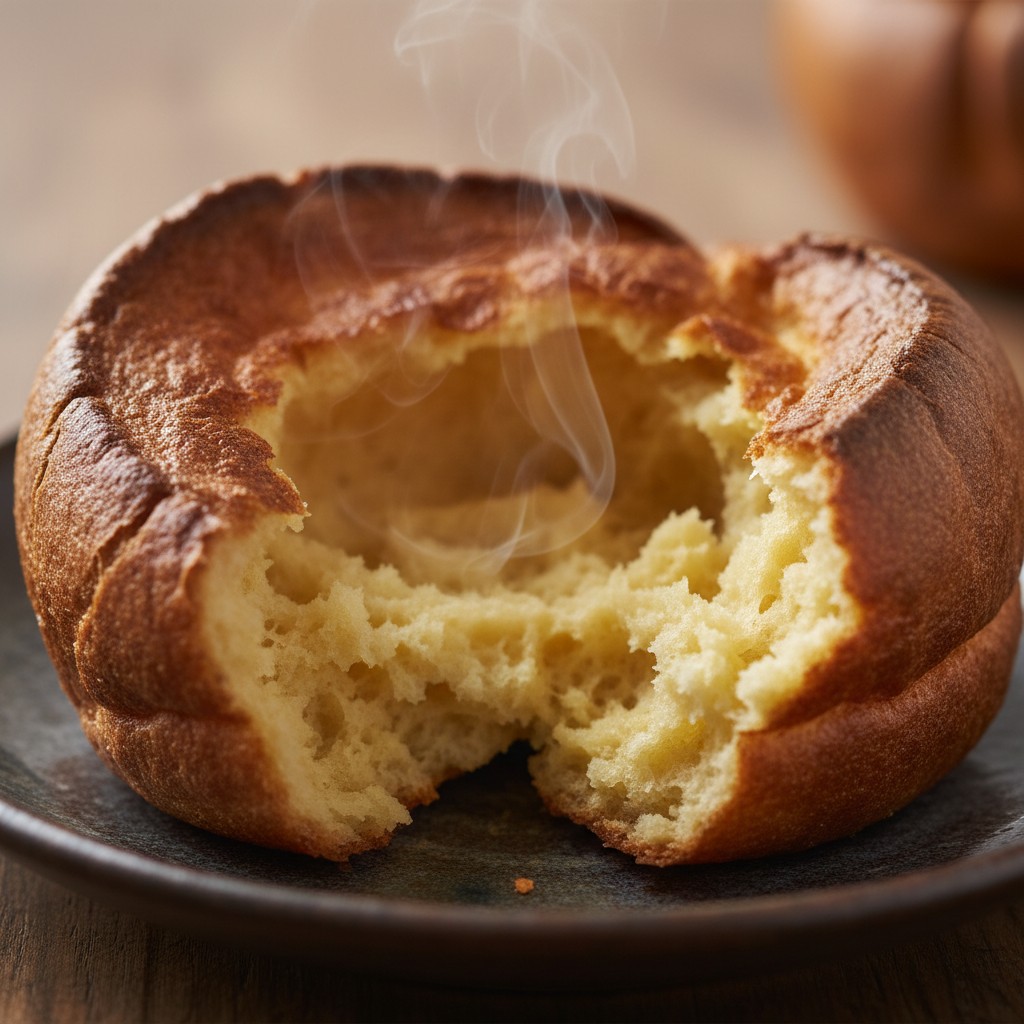
The history of the Yorkshire Pudding is rooted in thrift; it was originally served before the main course to fill hungry stomachs with a cheaper batter-based dish, thus requiring less of the expensive meat. Now, of course, it is an indispensable partner to roast beef, and a welcome addition to any roast dinner. They should be crisp and golden on the outside, with a soft, slightly custardy interior, and impressively tall.
This recipe is the one I have relied upon for decades. It has never failed me, and if you follow it precisely, it will not fail you either. We are going to banish flat puddings from our kitchens for good. So, take a deep breath, put your pinny on, and let's learn how to make them properly.
Why You'll Love This Recipe
- Using equal volumes of flour, eggs, and milk creates a perfectly balanced, reliable batter that has the right consistency for rising and holding its structure.
- Resting the batter is a non-negotiable step. It allows the gluten in the flour to relax, resulting in a lighter, more tender pudding rather than a tough one.
- The combination of a very hot oven and smoking hot fat creates an initial thermal shock, forcing the batter to rise rapidly and dramatically before the structure sets.
Ingredients
- 110g plain flour
- A pinch of salt
- 2 large free-range eggs
- 150ml semi-skimmed milk
- 150ml cold water
- Beef dripping or vegetable oil, for cooking
Equipment Needed
12-hole non-stick muffin tin · Large mixing bowl · Flour sieve · Whisk · Measuring jug
Step-by-Step Instructions
- First, make the batter. Sift the plain flour and salt into a large bowl, then make a well in the centre. Break the two eggs into the well. Using a whisk, begin to whisk the eggs, gradually incorporating the flour from the edges.
- Once you have a thick, smooth paste in the centre, begin to add the milk and water mixture a little at a time, continuing to whisk until all the liquid is incorporated and you have a smooth, lump-free batter with the consistency of single cream. There is no need to beat it excessively; just whisk until combined.
- Now, the crucial step: cover the bowl and leave the batter to rest for at least 30 minutes at room temperature. You can also make it several hours in advance and keep it in the fridge – just give it a quick whisk before using.
- When you are ready to cook, pre-heat your oven to its highest setting, typically 220°C fan (230°C/Gas Mark 8).
- Spoon about ½ teaspoon of beef dripping or vegetable oil into each compartment of a 12-hole muffin tin. Place the tin on the middle shelf of the hot oven for 10 minutes, or until the fat is sizzling and smoking.
- Carefully remove the tin from the oven. Working quickly and safely, pour the batter into each compartment, filling them about two-thirds full. The batter should sizzle as it hits the hot fat.
- Immediately return the tin to the oven and bake for 20-25 minutes. Do not, under any circumstances, open the oven door for the first 20 minutes. They should be well-risen, deep golden brown, and crisp.
- Serve immediately, as they will begin to soften as they cool. They are the perfect vessel for a generous splash of gravy.
Delia's Notes from the Kitchen
The absolute key, and I cannot stress this enough, is the heat. A properly pre-heated oven and genuinely smoking hot fat are your two greatest allies in this endeavour. Don't be timid with the heat, and you will be rewarded with puddings your family will talk about for weeks. Be brave, be swift, and do not open that oven door!
How to Store & Reheat
Yorkshire Puddings are unequivocally best eaten fresh from the oven. If you do have leftovers, they can be stored in an airtight container at room temperature for a day. To reheat and bring back their crispness, place them on a baking tray in a hot oven (200°C) for 3-5 minutes until hot and crisp again.
Frequently Asked Questions
Why didn't my Yorkshire Puddings rise?
This is almost always down to temperature. Either your oven wasn't hot enough, or the fat in the tin wasn't smoking hot when you added the batter. Both must be incredibly hot for the 'shock' that makes them rise.
Can I use self-raising flour instead of plain flour?
I would strongly advise against it. Yorkshire Puddings get their lift from the rapid expansion of air and steam within the batter, not from a chemical raising agent. Plain flour provides the best structure for this process.
My puddings were soggy on the bottom. What went wrong?
This can happen for two reasons. Firstly, the puddings may have been slightly undercooked; they need the full 20-25 minutes to cook through and dry out. Secondly, you may have used too much fat in the bottom of the tin, which can lead to a greasy base.
Is it really necessary to rest the batter?
Yes, it truly is. Resting allows the starch grains in the flour to swell and the gluten to relax. This creates a much more tender and well-risen pudding. It's a small step that makes a very big difference.
Can I make one large Yorkshire Pudding instead of individual ones?
Certainly. Simply pour all the batter into a pre-heated, oiled roasting tin (around 25x20cm). It will need a little longer to cook, around 30-35 minutes, until it's risen spectacularly at the edges and is cooked through in the centre.