How to Make Perfect Yorkshire Puddings for a Crowd
There is a great deal of mystique surrounding Yorkshire Puddings, but I am here to tell you it is entirely unfounded. Follow these precise instructions for a batch of twelve, and you will have perfect, towering results every time.
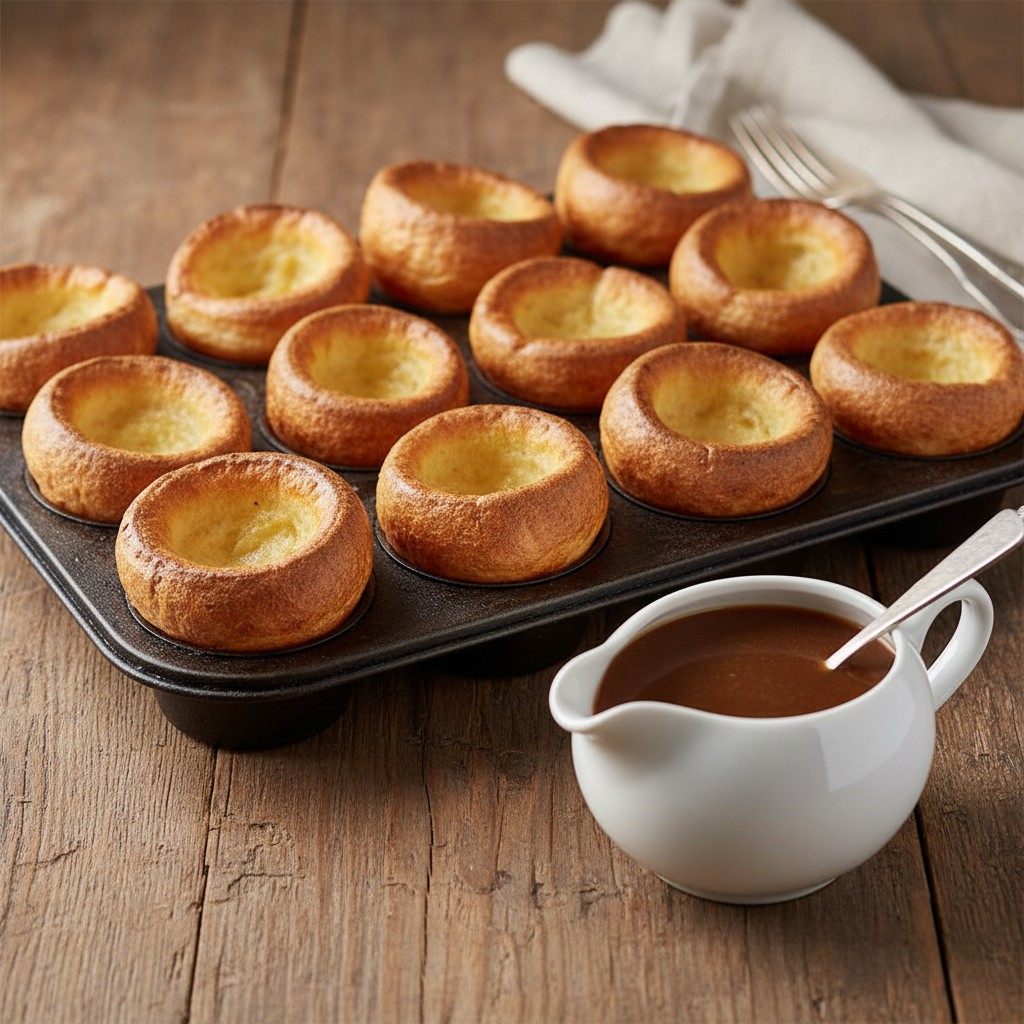
For generations, the Yorkshire Pudding has been the crowning glory of a traditional British Sunday lunch, yet it is a dish that seems to cause a great deal of anxiety for the home cook. The fear of flat, dense, or greasy results has put many people off attempting them at all. But I believe that with the right method and an understanding of what is happening, anyone can master them.
This recipe is designed to serve a larger group, making twelve individual puddings, so you can confidently place a generous bowlful on the table for everyone to enjoy alongside a fine roast. The key is not in some secret, magical ingredient, but in simple kitchen science: a smooth, well-rested batter hitting shockingly hot fat. It is this very specific sequence of events that creates the blast of steam needed for that famous, dramatic rise.
So, put aside any past failures and follow me. We will measure carefully, we will rest our batter patiently, and we will be brave with the heat of our oven. The result will be a batch of beautifully golden, crisp-edged, and satisfyingly puffy puddings that are light as air on the inside—the perfect vessel for soaking up rich gravy.
Why You'll Love This Recipe
- Resting the batter for at least 30 minutes allows the starch grains in the flour to swell and the gluten to relax, which is crucial for achieving a lighter, more tender texture and a better rise.
- Using a combination of milk and water creates the ideal batter consistency. The milk adds flavour and colour, while the water keeps the batter light enough to puff up dramatically.
- The single most important factor for success is getting the fat smoking hot before the batter is added. This immediate, intense heat flash-cooks the base and sides, forcing the batter upwards and creating the steam required for that spectacular rise.
Ingredients
- 225g plain flour
- 1 level teaspoon salt
- 3 large free-range eggs
- 200ml whole milk
- 250ml cold water
- Approx. 6 teaspoons beef dripping or vegetable oil
Equipment Needed
12-hole standard muffin tin · Large mixing bowl · Flour sifter or fine-meshed sieve · Balloon whisk · Measuring jug
Step-by-Step Instructions
- First, make the batter. Sift the flour and salt into a large bowl from a good height to aerate it. Then, make a well in the centre of the flour.
- Crack the eggs into the well. Using a balloon whisk, begin whisking the eggs, gradually incorporating the flour from the sides of the well until you have a thick, smooth paste.
- In a separate jug, combine the milk and water. Now, begin adding the liquid to the batter, a little at a time, whisking continuously to ensure there are no lumps. Once all the liquid is incorporated, you should have a smooth batter with the consistency of single cream.
- Cover the bowl with a clean tea towel or cling film and leave the batter to rest at room temperature for at least 30 minutes. You can also make it further ahead and keep it in the fridge for several hours; just give it a good whisk before using.
- When you are ready to cook, preheat your oven to its hottest setting, 220°C (200°C Fan, Gas Mark 7).
- Add about half a teaspoon of beef dripping or oil to each of the 12 compartments of a standard muffin tin.
- Place the tin on a high shelf in the preheated oven for 10-15 minutes. It is absolutely vital that the fat becomes smoking hot.
- Working quickly and carefully, remove the hot tin from the oven. Give the rested batter one final whisk, then pour it evenly into the sizzling fat in each compartment.
- Immediately return the tin to the top shelf of the oven and bake for 20-25 minutes. Under no circumstances should you open the oven door for the first 20 minutes, as the drop in temperature will cause the puddings to deflate.
- Once they are well-risen, golden-brown and crisp, remove them from the oven. Serve them as soon as possible, piping hot.
Delia's Notes from the Kitchen
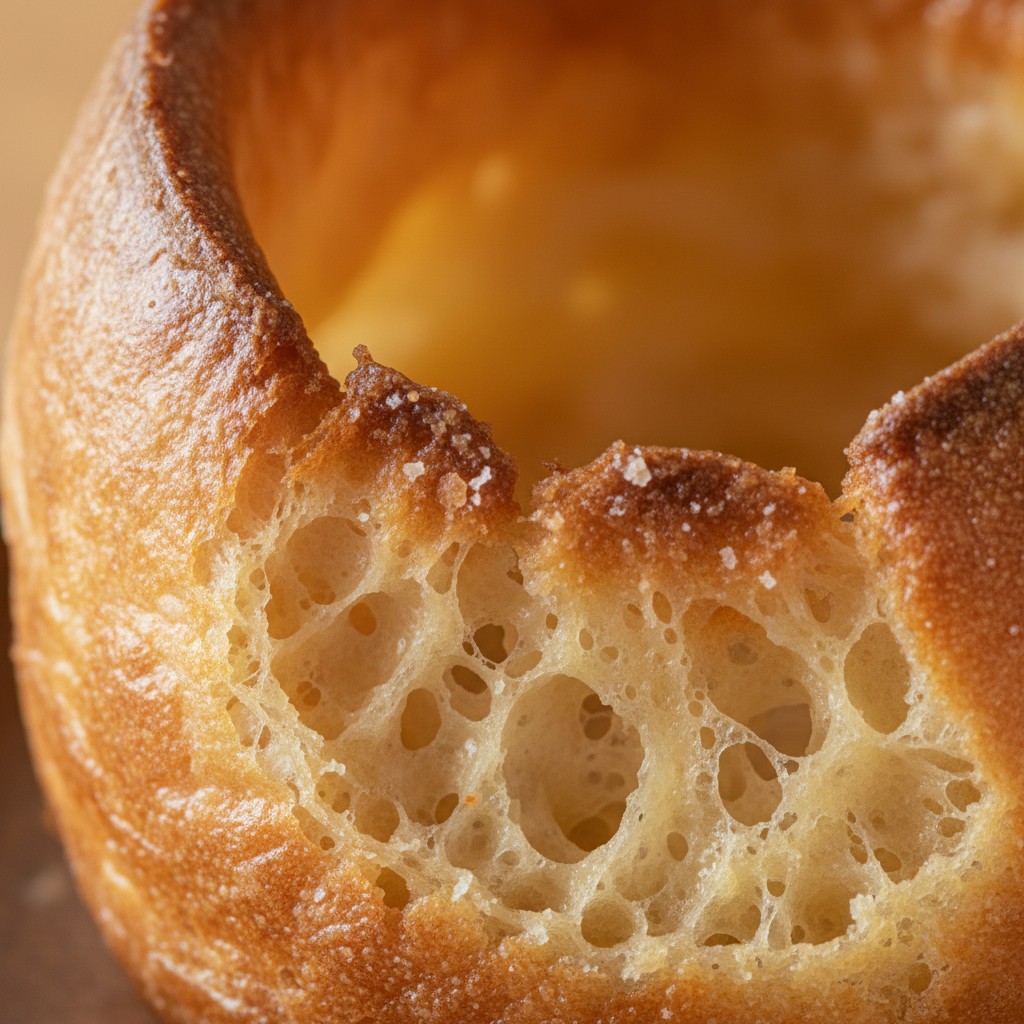
The one rule you must never, ever break is to have the fat smoking hot. When you pour the batter in, you must hear it sizzle loudly. This is the moment the magic begins. Be bold with the heat, keep that oven door firmly shut, and you will be rewarded with puddings to be proud of.
How to Store & Reheat
Should you have any leftovers, they can be stored in an airtight container at room temperature for a day. To reheat and bring back their crispness, place them on a baking tray in a hot oven (around 200°C) for 5-7 minutes until heated through and crisp again. They can also be frozen for up to one month; reheat directly from frozen for 10-12 minutes.
Frequently Asked Questions
Why did my Yorkshire Puddings not rise?
There are usually two culprits. Either the fat was not smoking hot when the batter was poured in, or the oven door was opened too soon. Both actions prevent the build-up of steam needed for the puddings to rise.
Can I use self-raising flour instead of plain flour?
No, you must use plain (all-purpose) flour. The rise in a Yorkshire Pudding comes from steam, not a chemical raising agent. Self-raising flour will produce a dense, cake-like texture which is not what we are looking for.
Is it really necessary to rest the batter?
Yes, it is a critical step. Resting allows the gluten in the flour to relax and the starch to absorb the liquid, which results in a much lighter, more tender pudding with a better structure. Do not be tempted to skip it.
Can I make the batter ahead of time?
Absolutely. The batter can be made up to 24 hours in advance and stored, covered, in the refrigerator. Just be sure to give it a thorough whisk before you pour it into the hot fat to re-incorporate everything.
My puddings were crispy on top but soggy at the bottom. What went wrong?
This usually indicates that there was too much fat in the tin, or the fat was not hot enough. The batter should sizzle and begin cooking the instant it hits the tin. Use only about half a teaspoon of fat per hole.