How to Use Your Slow Cooker: A Classic Beef and Ale Casserole
There is something deeply satisfying about a slow-cooked casserole, and using a slow cooker makes it wonderfully convenient. This recipe for Beef and Ale Casserole is the perfect introduction to mastering this brilliant piece of kitchen equipment.
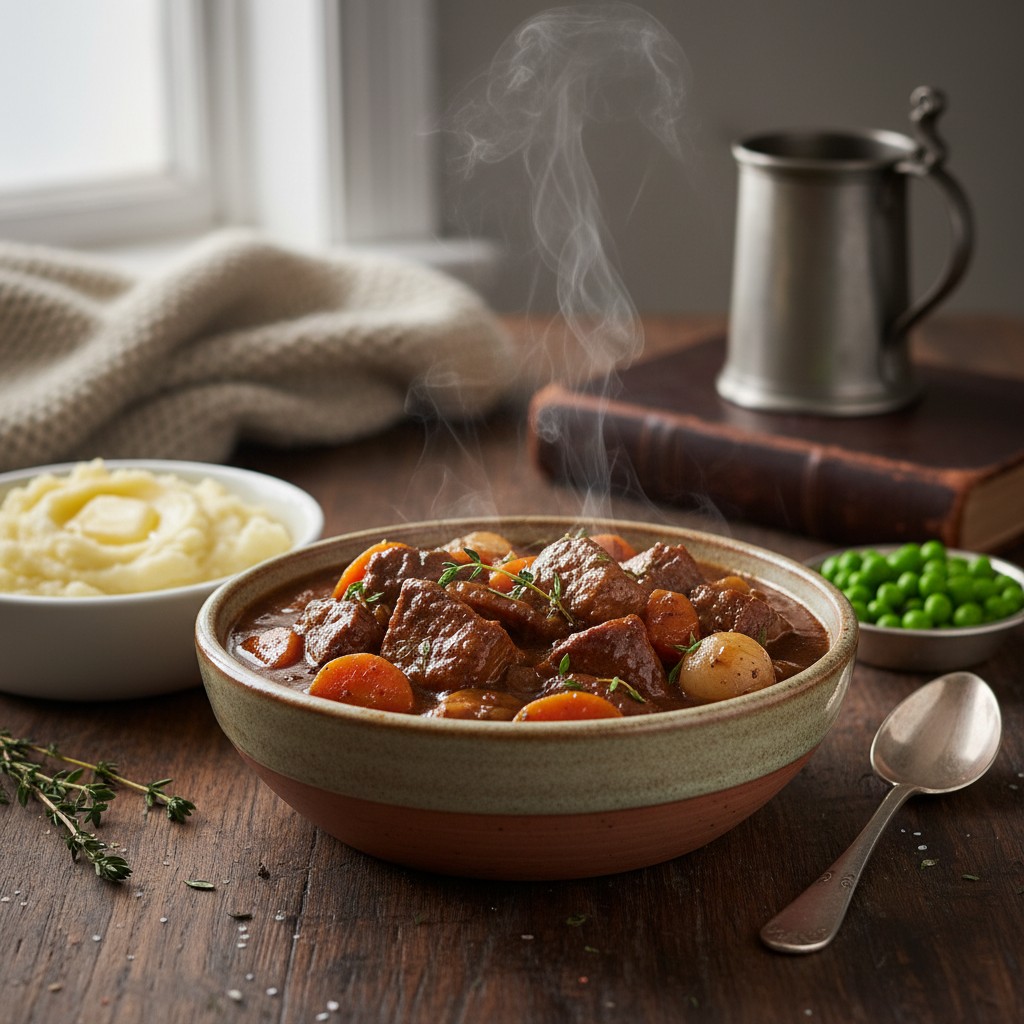
The slow cooker, or 'crock-pot' as it's sometimes known in other parts, has seen a tremendous resurgence in recent years, and for very good reason. It is the absolute master of convenience, allowing you to assemble a meal in the morning and return hours later to a perfectly cooked, deeply flavourful dinner. It's a modern way to achieve the sort of slow, gentle cooking that our grandmothers understood so well – the kind that transforms tougher, more economical cuts of meat into something meltingly tender and utterly delicious.
However, a slow cooker is not a magic pot. It requires a little understanding to get the very best from it. Simply throwing everything in and hoping for the best can often lead to watery, lacklustre results. The secret, as with so much in cooking, lies in building layers of flavour at the beginning before the machine takes over the long, slow work.
This recipe for a classic Beef and Ale Casserole is, I believe, the perfect place to start your slow-cooker journey. It teaches the foundational techniques – browning the meat, softening the aromatics, creating a flavourful liquid base – that will set you up for success not just with this dish, but with any number of slow-cooked creations. It is a true British classic, perfect for a chilly evening, and a recipe you will return to again and again.
Why You'll Love This Recipe
- Browning the beef first is not just for colour; it creates a deep, savoury flavour base through the Maillard reaction, which is essential for a rich casserole.
- Using flour to coat the beef before browning helps to thicken the sauce naturally and gradually during the long, slow cook.
- The combination of a dark, malty ale and good-quality beef stock provides a complex, robust, and wonderfully balanced flavour that cheaper ingredients simply cannot replicate.
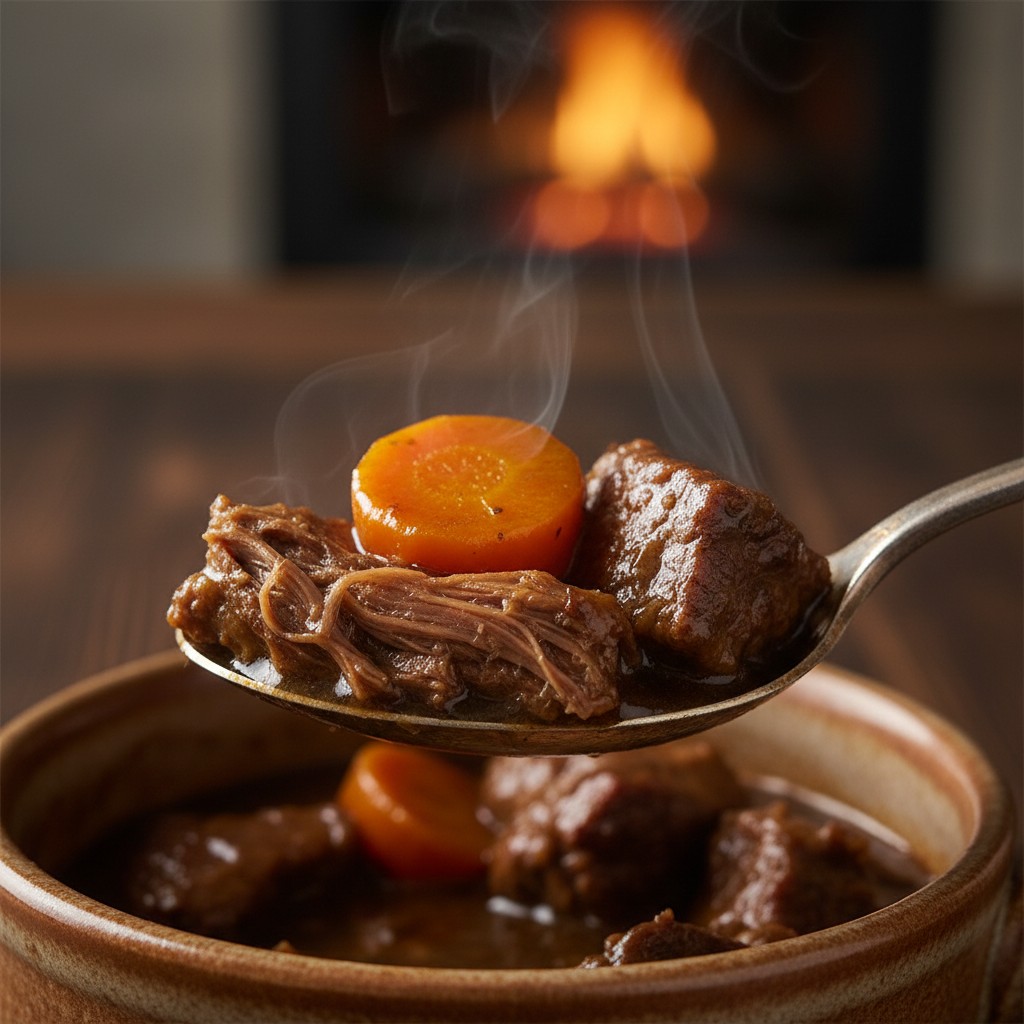
- Cooking on a low setting for a long period (6-8 hours) is the key to breaking down the connective tissue in the beef, resulting in exceptionally tender, fall-apart meat.
Ingredients
- 900g (2 lb) good-quality braising steak or chuck steak, cut into 4cm (1½ inch) cubes
- 2 level tablespoons plain flour
- ½ teaspoon English mustard powder
- Salt and freshly milled black pepper
- 3 tablespoons beef dripping or vegetable oil
- 2 medium onions, peeled and sliced
- 2 medium carrots, peeled and cut into thick rounds
- 2 celery sticks, trimmed and sliced
- 2 cloves garlic, peeled and finely chopped
- 1 tablespoon tomato purée
- 440ml can of dark ale or stout (e.g., Guinness, or a good brown ale)
- 300ml (½ pint) hot beef stock (a good-quality cube is fine)
- 2 bay leaves
- A few sprigs of fresh thyme
- 1 tablespoon Worcestershire sauce
Equipment Needed
Slow Cooker (3.5 - 5 litre capacity is ideal) · Large, heavy-based frying pan · Large mixing bowl · Slotted spoon · Wooden spoon · Measuring jug
Step-by-Step Instructions
- First, prepare the beef. In a large bowl, mix together the plain flour, mustard powder, and a generous seasoning of salt and pepper. Add the cubes of beef and toss them around until every piece is lightly coated in the seasoned flour. Shake off any excess.
- Now, heat 2 tablespoons of the oil or dripping in a large, heavy-based frying pan over a medium-high heat. You need the pan to be properly hot. Working in two batches (so as not to overcrowd the pan), add the beef and brown it on all sides. This will take about 5-7 minutes per batch. Once browned, use a slotted spoon to transfer the beef to the bowl of your slow cooker.
- Reduce the heat under the frying pan to medium, add the remaining tablespoon of oil if needed, and add the sliced onions, carrots, and celery. Cook gently for about 10 minutes, stirring occasionally, until they have softened and the onions are just beginning to turn golden.
- Add the chopped garlic and cook for another minute until fragrant, then stir in the tomato purée and cook for a further minute. This step cooks out the raw taste of the purée.
- Now, turn the heat up and pour about a third of the ale into the hot pan. As it sizzles, use a wooden spoon to scrape all the flavourful, caramelised brown bits from the bottom of the pan. This is called 'deglazing' and is crucial for flavour.
- Pour the contents of the frying pan into the slow cooker with the beef. Add the rest of the ale, the hot beef stock, the bay leaves, thyme sprigs, and Worcestershire sauce. Stir everything together gently.
- Place the lid on the slow cooker. Cook on the 'Low' setting for 6-8 hours or on the 'High' setting for 4-5 hours. The beef should be completely tender when pierced with a fork.
- Before serving, remove the bay leaves and thyme sprigs. Taste the sauce and adjust the seasoning with more salt and pepper if you feel it needs it. If you'd like a slightly thicker sauce, you can carefully pour the liquid into a saucepan and bubble it on the hob for 5-10 minutes to reduce, then pour it back over the meat and vegetables.
- Serve hot with creamy mashed potatoes and some steamed green vegetables.
Delia's Notes from the Kitchen
A note on beef: Do ask your butcher for braising steak or chuck steak. These harder-working cuts from the shoulder and neck have more connective tissue and flavour than leaner, more expensive cuts. It is this tissue that breaks down during the long, slow cook, creating that wonderful melting texture and enriching the sauce. Using a frying steak here would be a waste of money and would result in dry, tough meat. And please, resist the temptation to lift the lid during cooking! Every time you do, heat and steam escape, and you can add another 20-30 minutes to the cooking time. Trust the process and let the slow cooker work its quiet magic.
How to Store & Reheat
Like many stews, this casserole is often even better the next day. Allow it to cool completely before transferring to an airtight container and storing in the refrigerator for up to 3 days. To reheat, place in a saucepan over a medium-low heat, stirring occasionally, until piping hot. You may need to add a splash of water or stock if the sauce has thickened too much. It can also be frozen for up to 3 months.
Frequently Asked Questions
Can I put raw meat directly into the slow cooker?
You can, but I strongly advise against it for a dish like this. Browning the meat first is a non-negotiable step for developing the deep, savoury flavour that makes a casserole truly special. Skipping it will result in a much paler, less flavourful dish.
Why is my slow cooker sauce often watery?
Slow cookers trap a great deal of moisture because of the sealed lid. That's why this recipe uses a relatively small amount of liquid. If you find your sauce is too thin at the end, you can either remove the lid for the last 30-40 minutes of cooking on 'High' to help it reduce, or pour the liquid into a pan and reduce it on the hob as suggested in the recipe.
Do I need to pre-cook the vegetables?
For the best flavour, yes. Softening the onions, carrots, and celery (the 'mirepoix') in the pan after browning the meat adds another layer of sweetness and depth. It's a small step that makes a big difference to the final result.
What size slow cooker do I need for this recipe?
A 3.5 litre model is the minimum size for this quantity, but a 4.5 or 5 litre model would be ideal, as you should aim to have your slow cooker about two-thirds full for it to work most efficiently.
Is it safe to leave the slow cooker on all day while I'm out?
Yes, modern slow cookers are designed for this very purpose. They are very safe appliances. The 'Low' setting maintains a gentle, food-safe simmer, making it perfect for leaving on while you are at work or busy with other things.