My Definitive Sausage and Red Wine Casserole
This is my definitive recipe for a rich and comforting sausage casserole, slow-cooked with red wine for a truly deep flavour. A perfect, reliable supper for a chilly evening.
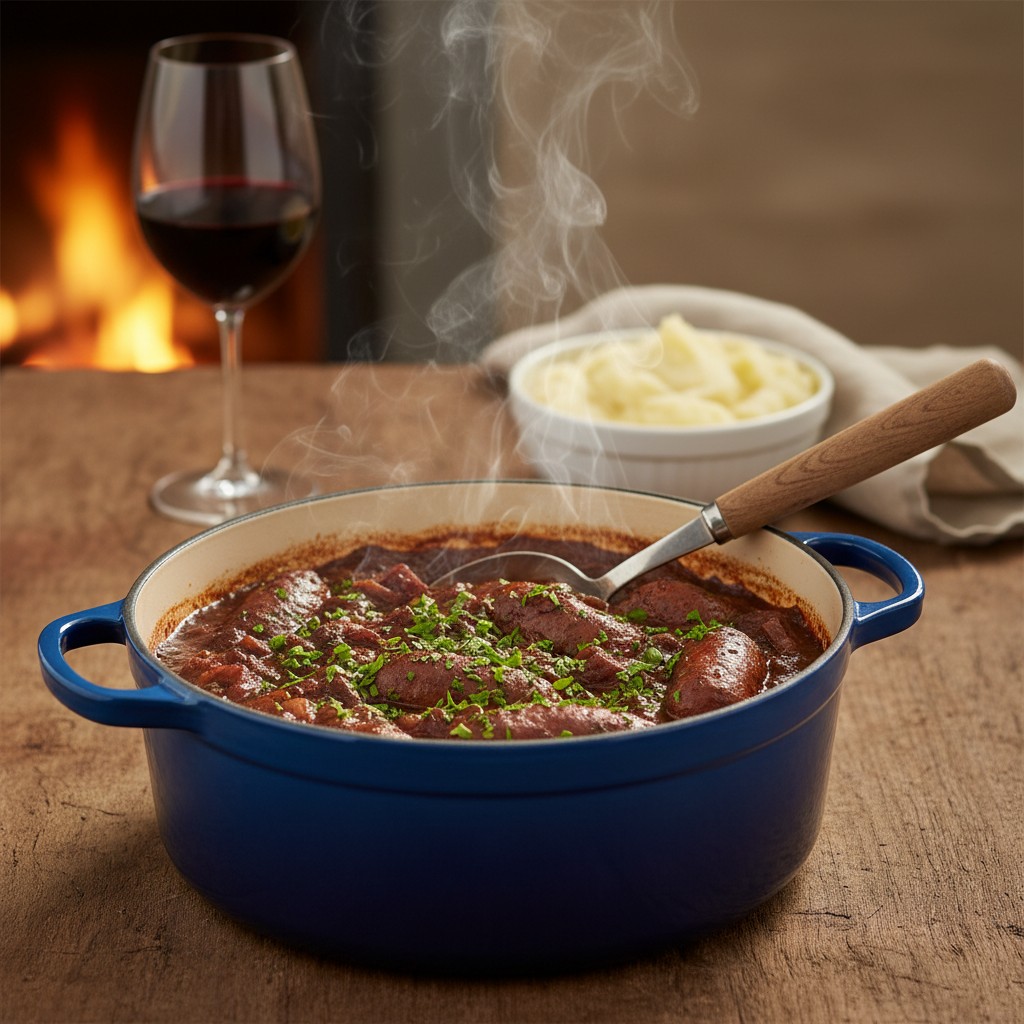
There are few dishes more central to the British home kitchen than a good casserole. It represents warmth, comfort, and the quiet satisfaction of turning simple ingredients into something truly wonderful. A sausage casserole, in particular, is a stalwart of family meal times, but it can so often be a little, well, lacklustre. This recipe is my answer to that; it's a guide to creating a casserole with real depth and character.
The secret, as is so often the case, lies in not cutting corners and understanding the ingredients. We begin with the best quality pork sausages you can find – this is not the place for the pale, uninteresting sort. The flavour of the entire dish rests on them. Then, we build a rich, savoury base with a full-bodied red wine, which isn't just for liquid, but for a profound, grown-up flavour that cheap cooking wine simply cannot replicate.
Don't be daunted by the steps. This is a straightforward, one-pot meal that I have designed to be as foolproof as possible. By building the flavours methodically – browning the sausages, softening the vegetables, cooking out the flour, and reducing the wine – you will achieve a result that is leagues ahead of simply throwing everything in a pot. This is how you cook with confidence.
Why You'll Love This Recipe
- Browning the sausages first is non-negotiable; it creates a flavourful foundation through the Maillard reaction and ensures a wonderful texture in the finished dish.
- Using a full-bodied red wine and allowing it to reduce properly concentrates the flavour, creating a rich, velvety sauce rather than a thin, acidic one.
- The slow, gentle cooking in the oven provides an even heat that melds the flavours together beautifully and makes the sausages incredibly tender without them bursting.
Ingredients
- 1 tbsp olive oil
- 12 of the best-quality pork sausages (such as Cumberland or Lincolnshire, about 900g)
- 2 medium onions, peeled and finely chopped
- 2 medium carrots, peeled and finely diced
- 2 celery sticks, trimmed and finely diced
- 2 cloves garlic, peeled and crushed
- 2 level tbsp plain flour
- 300ml full-bodied red wine (a Merlot or Cabernet Sauvignon is ideal)
- 400ml good-quality beef or chicken stock
- 2 tbsp tomato purée
- 1 tsp dried thyme (or 2 sprigs fresh)
- 2 bay leaves
- 1 tsp redcurrant jelly or light brown sugar (optional, see notes)
- Salt and freshly milled black pepper
- A small handful of fresh flat-leaf parsley, chopped, to garnish
Equipment Needed
A large, heavy-based casserole dish or Dutch oven with a lid · A wooden spoon · A sharp knife and chopping board · A slotted spoon
Step-by-Step Instructions
- First, pre-heat your oven to 160°C, 140°C Fan, Gas Mark 3.
- Place a large, heavy-based casserole dish or Dutch oven (one with a tight-fitting lid) over a medium-high heat and add the olive oil. When it's hot, add the sausages. Don't overcrowd the pan; you may need to do this in two batches. Brown them on all sides until they have a lovely deep golden colour. This should take about 8-10 minutes. Once browned, remove them with a slotted spoon and set aside on a plate.
- Reduce the heat to medium-low and add the chopped onions, carrots, and celery to the same pan, using the fat rendered from the sausages. Cook them gently for about 10 minutes, stirring occasionally, until they have softened and the onion is translucent. Don't rush this stage; it builds a sweet, flavourful base. Add the crushed garlic and cook for one minute more until fragrant.
- Next, stir in the plain flour. It's essential to cook the flour for a minute or two, stirring continuously. This removes the raw, pasty taste and is key to a well-thickened sauce.
- Now, turn up the heat slightly and pour in the red wine. Stir vigorously with a wooden spoon, scraping up any browned bits from the bottom of the pan – this is where so much flavour lies. Allow the wine to bubble and reduce by about half. You will see the sauce begin to thicken and become glossy.
- Gradually pour in the stock, stirring all the time to create a smooth sauce. Then, stir in the tomato purée, thyme, and bay leaves.
- Return the browned sausages to the casserole dish, pressing them down into the sauce. Bring everything to a gentle simmer on the hob.
- Once simmering, season with a little salt and plenty of freshly milled black pepper. Place the lid on the casserole and transfer it to the pre-heated oven. Let it cook for 1 hour.
- After an hour, remove the casserole from the oven. Remove the bay leaves. Taste the sauce and adjust the seasoning if needed. If you feel it needs it, stir in the redcurrant jelly or sugar to balance the flavours. Serve hot, garnished with the chopped fresh parsley.
Delia's Notes from the Kitchen
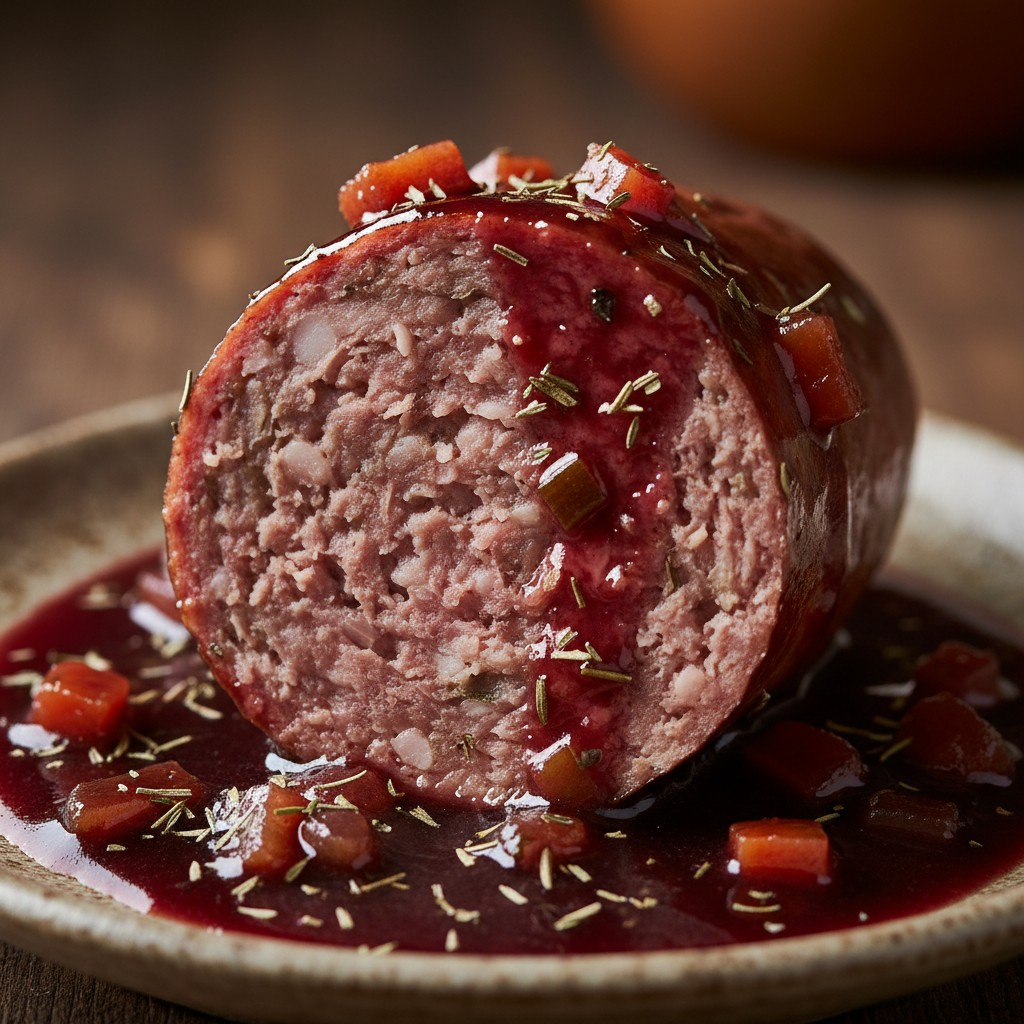
A teaspoon of redcurrant jelly or a pinch of brown sugar stirred in towards the end of cooking may sound unusual, but it works wonders to balance the acidity of the wine and tomatoes, creating a truly rounded and harmonious sauce. It's a small touch that makes a great deal of difference, turning a good casserole into a truly great one.
How to Store & Reheat
The casserole will keep beautifully in the refrigerator in an airtight container for up to 3 days. In fact, the flavour often improves overnight. To reheat, place it in a saucepan over a medium-low heat, stirring occasionally until piping hot throughout. You may need to add a splash of water or stock if the sauce has thickened too much upon chilling.
Frequently Asked Questions
What are the best sausages to use for a casserole?
It's imperative to use a high-quality sausage with a high meat content (at least 85%). A good British pork sausage like a Cumberland or Lincolnshire is ideal. The flavour of the sausage is fundamental to the dish, so this is where you should buy the best you can afford.
Can I make this casserole ahead of time?
Yes, absolutely. It's an excellent dish to make ahead. You can prepare it up to two days in advance and store it in the fridge. The flavours will have even more time to meld and develop. Simply reheat it gently on the hob or in a moderate oven until piping hot.
My sauce seems a bit thin. What did I do wrong?
This usually happens if the wine wasn't reduced sufficiently, or if the casserole was simmered too gently. To fix it, you can remove the sausages, turn up the heat, and let the sauce bubble away for 5-10 minutes to reduce and thicken. Alternatively, mix a teaspoon of cornflour with a little cold water and stir it into the simmering sauce.
Can I freeze this sausage casserole?
Yes, it freezes very well. Allow the casserole to cool completely, then transfer it to a freezer-safe container. It can be frozen for up to 3 months. Defrost it thoroughly in the refrigerator overnight before reheating gently on the hob until piping hot.
What other vegetables could I add?
While the classic base of onion, carrot, and celery is perfect, you could certainly add others. Sliced leeks (added with the onions) or button mushrooms (browned after the sausages) would be lovely. You could also add diced parsnips or swede along with the carrots for a more root-vegetable-heavy version.