Perfect Pan-Seared Salmon with Asparagus
Achieving that coveted crispy salmon skin is not a dark art, but a simple technique. Here, I'll show you how to master it for a truly reliable and elegant supper.
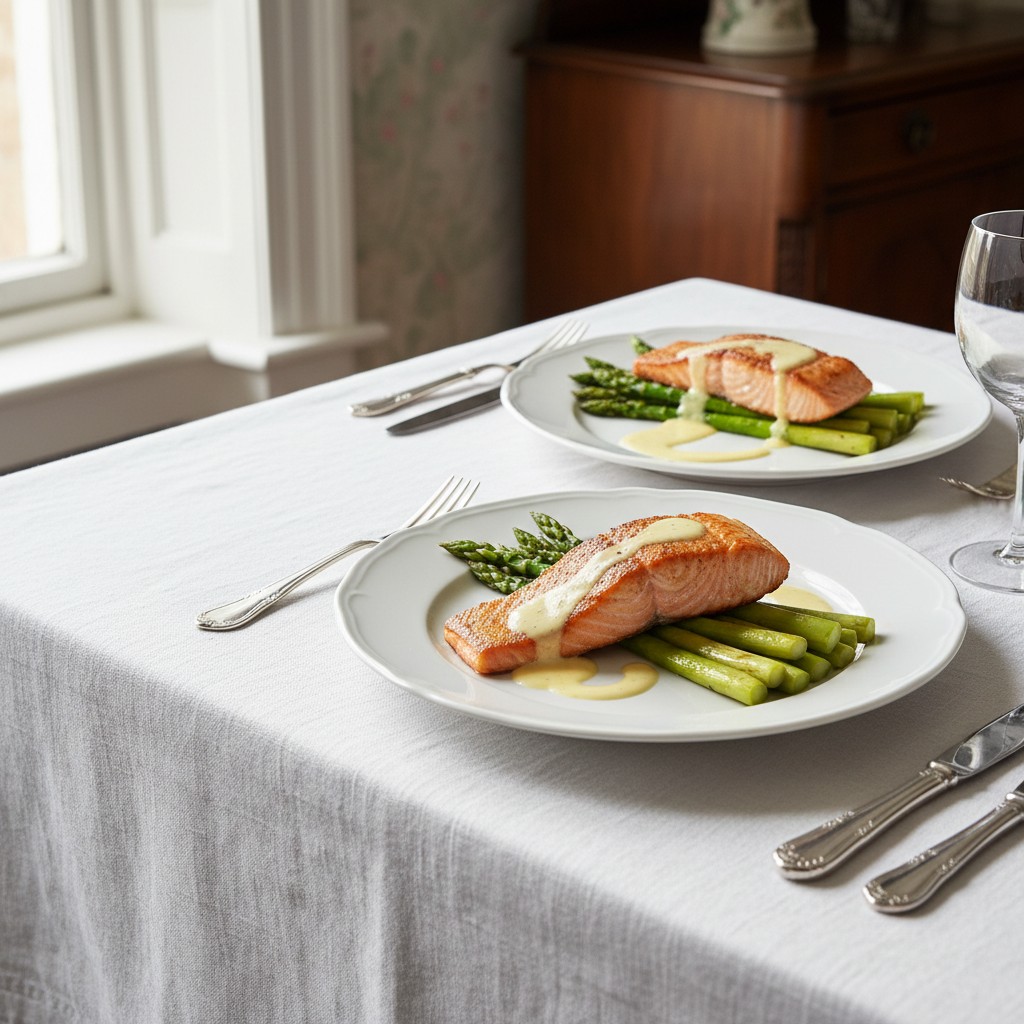
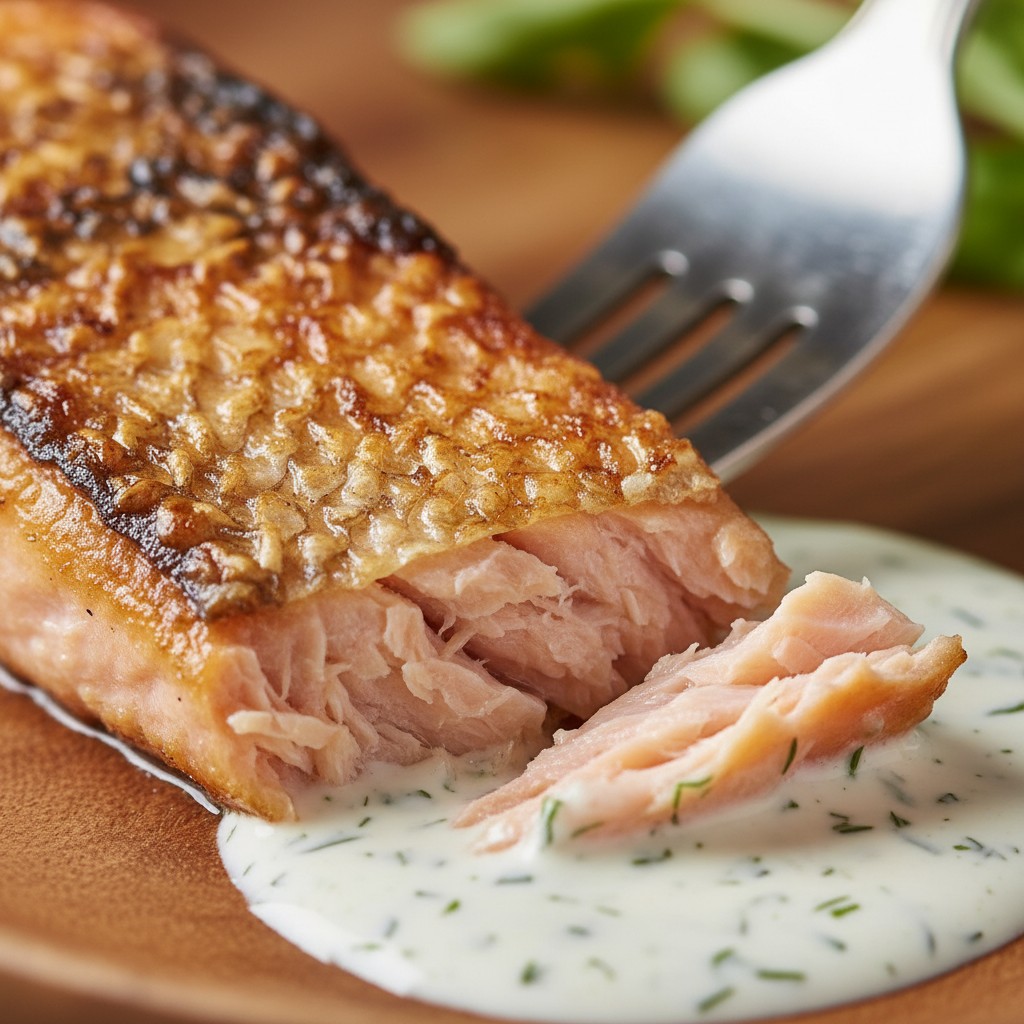
There are few things in the kitchen as satisfying as a perfectly cooked piece of fish. For me, that often means a salmon fillet, but not just any salmon fillet. It must have that gloriously crisp, golden skin that crackles just so under the fork, giving way to perfectly moist, flaky flesh beneath. It’s the sort of meal that feels special enough for a Saturday night, yet is, when you know how, quick enough for a Tuesday.
So many people are apprehensive about cooking fish at home, fearing the dreaded soggy skin or, worse, dry, overcooked flesh. This is where technique, not luck, comes into play. The method I'm about to show you is my foolproof way to achieve that restaurant-quality finish. It's about heat, timing, and, most importantly, preparing the fish correctly before it even touches the pan. It is a lesson in control and confidence.
To make this a complete and harmonious meal, we will serve it with tender asparagus, cooked alongside, and a simple but elegant pan sauce made with lemon and dill. The sauce is created in moments, using the residual flavours from cooking the salmon, ensuring nothing goes to waste and every element is packed with flavour. This is honest, straightforward cooking at its absolute best.
Why You'll Love This Recipe
- Drying the salmon skin thoroughly with kitchen paper is non-negotiable; it is the absolute key to achieving a crisp, not soggy, result.
- Starting the fish skin-side down in a hot, but not smoking, pan allows the fat to render slowly, creating that wonderful texture without burning.
- Making the simple pan sauce in the same pan uses the 'fond'—the tasty browned bits left by the salmon—for a sauce with incredible depth of flavour.
- Cooking the asparagus in the same pan after the fish not only saves on washing up but also allows it to absorb the delicious salmon flavours.
Ingredients
- 2 salmon fillets, about 170g (6 oz) each, skin-on and scaled
- 1 tablespoon olive oil
- 1 bunch of English asparagus (about 250g), woody ends snapped off
- Salt and freshly milled black pepper
- For the Lemon-Dill Sauce:
- 50ml dry white wine or vermouth
- 50ml double cream
- 1 tablespoon freshly squeezed lemon juice
- 25g (1 oz) unsalted butter, cold
- 1 tablespoon chopped fresh dill
Equipment Needed
A good quality, heavy-based non-stick frying pan (about 28cm) · Fish slice or flexible spatula · Kitchen paper · Sharp knife · Chopping board
Step-by-Step Instructions
- First, prepare the salmon. This is the most crucial step. Take the fillets out of the refrigerator about 20 minutes before cooking. Use kitchen paper to pat the skin until it is completely and utterly dry. Season the flesh side with a little salt and pepper.
- Place a large, heavy-based non-stick frying pan over a medium-high heat. Add the olive oil. When the oil is shimmering but not smoking, carefully place the salmon fillets in the pan, skin-side down. Immediately press down gently on each fillet with a fish slice for about 15-20 seconds. This prevents the skin from buckling and ensures it makes full contact with the pan.
- Reduce the heat to medium and let the salmon cook, without moving it, for about 4-5 minutes. You will see the colour change as the heat creeps up the side of the fillet. The skin should be golden and crisp. You can lift a corner to check.
- Flip the salmon over and cook on the other side for another 2-3 minutes, depending on the thickness of your fillets. The fish should be just cooked through. Remove the salmon from the pan and set it aside on a warm plate to rest.
- Add the prepared asparagus to the same pan. Toss it in the salmon fat, season with a little salt and pepper, and cook for 3-4 minutes, turning occasionally, until it is tender but still has a slight bite.
- Remove the asparagus and arrange it on your serving plates next to the salmon.
- Return the pan to the heat. Pour in the white wine or vermouth to deglaze, scraping up any browned bits from the bottom of the pan with a wooden spoon. Let it bubble and reduce by half.
- Lower the heat and stir in the double cream and lemon juice. Finally, add the cold butter and chopped dill, swirling the pan until the butter has melted and the sauce has emulsified. Do not let it boil. Taste and adjust the seasoning if needed.
- Pour the beautiful, creamy sauce over the salmon fillets and serve immediately.
Delia's Notes from the Kitchen
The single most important step in this entire recipe is patting the skin of the salmon completely dry with kitchen paper. Moisture is the enemy of crispness. Please do not be tempted to skip this; it is the difference between a good piece of salmon and a truly brilliant one. Your diligence will be rewarded, I promise you.
How to Store & Reheat
Cooked salmon is best eaten immediately. If you have leftovers, store them in an airtight container in the refrigerator for up to one day. I strongly advise against reheating it, as this will dry out the fish and spoil its texture. Instead, I prefer to flake the cold salmon into a salad for a delicious lunch the next day.
Frequently Asked Questions
My salmon skin always sticks to the pan. What am I doing wrong?
There are usually two culprits. Either the pan is not hot enough when you add the fish, or the skin was not dry enough. Ensure the pan is properly preheated and that you've patted the salmon skin until it's bone dry with kitchen paper.
How do I know when the salmon is perfectly cooked?
The best way to check is to gently press the thickest part of the fillet with a fork. If it begins to flake easily into its natural segments and the centre is a moist, opaque pink, it's ready. Remember, it will continue to cook slightly as it rests.
Can I use skinless salmon fillets for this recipe?
You can, of course, but the crispy skin is really the star of the show here. If using skinless fillets, reduce the initial cooking time to about 3 minutes per side, as they will cook more quickly without the skin to protect them.
Is a non-stick pan essential?
For this particular method, I highly recommend a good quality non-stick pan. It provides insurance against the skin sticking, especially for those less confident with cooking fish. A well-seasoned cast iron or stainless steel pan can also work, but requires more oil and precise heat control.
Can I prepare the sauce in advance?
You can, but you will miss out on the wonderful flavour from the browned bits left in the pan after cooking the salmon. The sauce only takes a minute or two to make while the fish is resting, and it truly is best when made fresh in the same pan.