Classic Smoked Salmon Mousse
Discover the art of making a truly elegant Smoked Salmon Mousse, a perfect starter for any special occasion. This recipe ensures a light, airy texture and a beautiful flavour every single time.
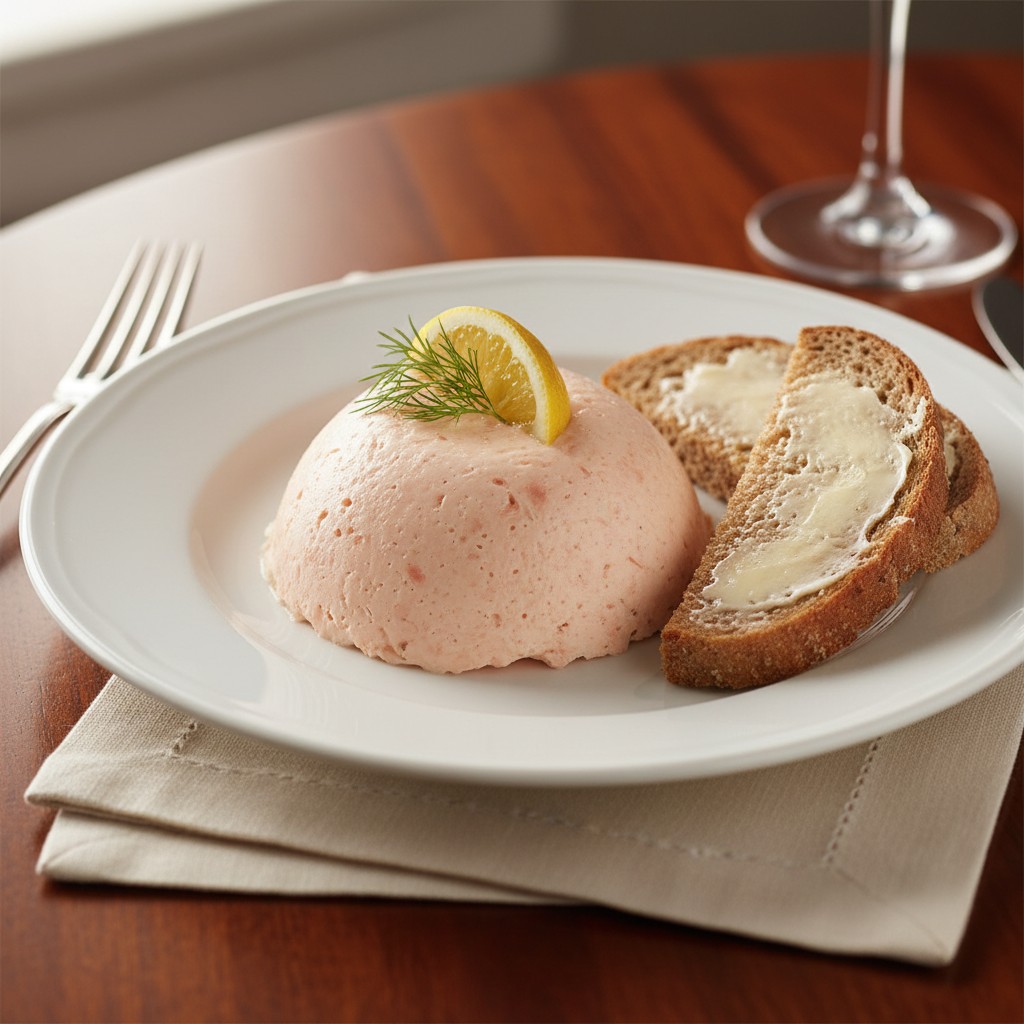
There are some dishes that possess a timeless elegance, and a classic smoked salmon mousse is undoubtedly one of them. It speaks of sophisticated lunches and special dinner parties, yet at its heart, it is a lesson in simplicity and balance. For years, people have been serving this, but it so often goes wrong – ending up either too heavy or, worse, rubbery.
The secret to a truly sublime mousse lies not in a long list of complicated ingredients, but in the careful handling of a few good ones. It is all about creating a texture that is light, airy, and almost cloud-like, which then melts away on the tongue, leaving behind the delicate flavour of salmon. Using a combination of poached fresh salmon and good-quality smoked salmon is key; one provides the body and substance, the other the distinctive, smoky taste.
Don't be daunted by the use of gelatine; it's a wonderful ingredient that simply needs to be understood. Follow these steps precisely, and you will have a make-ahead starter that is not only foolproof but will relieve you of any last-minute kitchen duties. It is a recipe that, once mastered, will become a trusted friend in your culinary repertoire.
Why You'll Love This Recipe
- Using both smoked and poached salmon provides a wonderful depth of flavour and a lighter, more balanced texture than using smoked salmon alone.
- The correct amount of gelatine, properly bloomed and dissolved, is crucial; it sets the mousse lightly without making it rubbery, which is a common failing.
- Gently folding in the whipped cream, rather than stirring, is the secret to maintaining the airy, delicate structure that defines a perfect mousse.
Ingredients
- 175g fresh salmon fillet, skinless and boneless
- 150ml whole milk
- 1 bay leaf
- 6 black peppercorns
- 115g good-quality smoked salmon, sliced
- 2 teaspoons powdered gelatine (or 3 sheets of leaf gelatine)
- 2 tablespoons fresh lemon juice
- 1/4 teaspoon cayenne pepper
- 150ml double cream
- 2 tablespoons freshly chopped dill or chives
- Salt and freshly milled black pepper
Equipment Needed
Small saucepan with a lid · Food processor or liquidiser · Large mixing bowl · Sieve · Electric or balloon whisk · Flexible spatula · 6 x 150ml ramekins or a 1-litre mould
Step-by-Step Instructions
- First, poach the fresh salmon. Place the fillet in a small saucepan with the milk, bay leaf, and peppercorns. Bring it gently up to a simmer, then pop a lid on, turn off the heat, and let it stand for 10 minutes to cook through in the residual heat. Then, lift the salmon out of the milk and flake it into a bowl, discarding any skin or bones you may have missed. Strain the poaching milk into a jug and reserve it.
- Next, prepare the gelatine. If using powder, sprinkle it over 3 tablespoons of cold water in a small heatproof bowl and leave for 5 minutes to sponge. If using leaf gelatine, submerge it in a bowl of cold water for 5 minutes until soft.
- Place the flaked poached salmon, the smoked salmon, and the lemon juice into a food processor. Add 4 tablespoons of the reserved, strained poaching milk. Now, blend everything until you have a completely smooth, thick purée.
- For powdered gelatine, place the bowl over a small pan of simmering water and stir until it has completely dissolved into a clear liquid. For leaf gelatine, squeeze out all the water, add it to 2 tablespoons of warm poaching milk in a small pan, and stir over a low heat until dissolved. Do not let it boil.
- Pour the dissolved gelatine into the salmon purée in the food processor and pulse a few times to combine it thoroughly. Scrape the purée into a large mixing bowl and season with the cayenne pepper and a little salt and milled pepper. Taste and adjust if needed.
- In a separate, clean bowl, whip the double cream until it holds soft peaks. Be careful not to over-whip it.
- Now for the crucial part: folding. Take a large metal spoon and add one-third of the whipped cream to the salmon mixture. Fold it in gently to lighten the base. Then, add the remaining cream and the chopped herbs and fold everything together until just combined and no streaks of white remain. The aim is to keep as much air in the mixture as possible.
- Carefully spoon the mousse into 6 individual 150ml ramekins or a single 1-litre mould. Smooth the tops with the back of a spoon.
- Cover with cling film and transfer to the refrigerator to chill for at least 4 hours, or preferably overnight, until completely firm.
- To serve, you can either present them in their ramekins or turn them out. To turn out, dip the base of each mould into hot water for 3-4 seconds, then invert onto a serving plate.
Delia's Notes from the Kitchen
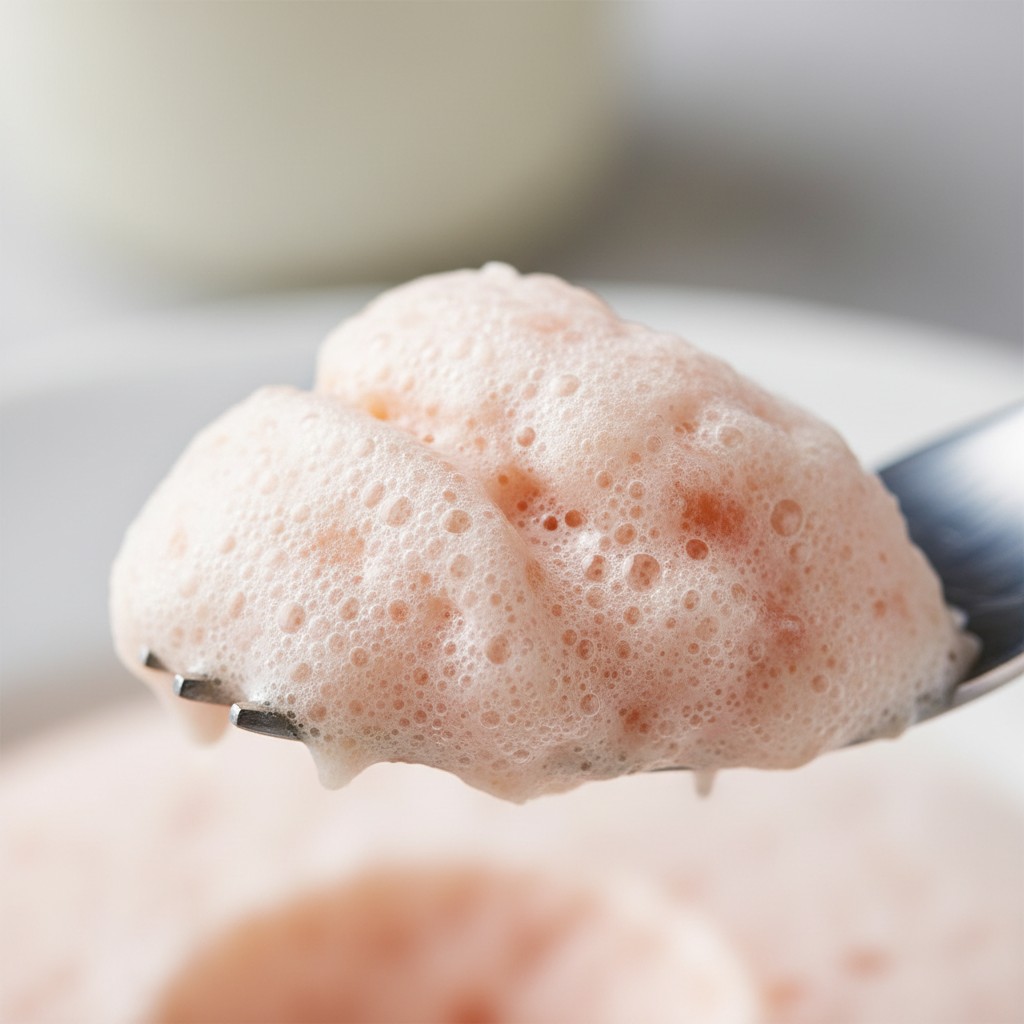
A final thought on equipment: a food processor really is your best friend for this recipe. It's the only way to achieve the silky-smooth purée that forms the foundation of the mousse. If you don't have one, you can press the salmon mixture through a fine sieve with the back of a spoon, but be prepared for a bit of elbow grease! The end result is worth it.
How to Store & Reheat
The mousse can be made up to two days in advance. Cover the ramekins or mould tightly with cling film and keep refrigerated. It is a chilled dish and must not be reheated. I would not recommend freezing this dish, as the gelatine's texture will be spoiled upon thawing, resulting in a watery, separated consistency.
Frequently Asked Questions
My mousse didn't set. What went wrong?
This is almost always an issue with the gelatine. Either it was not fully dissolved in warm liquid before being added, or the liquid was too hot, which can damage its setting ability. Always dissolve it gently over a low heat or in a bowl over hot water, and never let it boil.
Can I use hot-smoked salmon instead of cold-smoked?
You can, but it will create a very different dish. Hot-smoked salmon has a flaky, cooked texture and a stronger, smokier flavour. For this classic, smooth mousse, cold-smoked salmon is what is required for the correct flavour and silky consistency.
Why is my mousse rubbery?
A rubbery texture is the result of using too much gelatine. It's vital to measure it precisely. This recipe uses just enough to provide a delicate set that melts in the mouth. Always follow the packet instructions if using a different type or strength of gelatine.
How do I turn the mousse out of the mould neatly?
The trick is to create a very thin layer of melted mousse on the outside. Briefly dip the bottom and sides of the mould into a bowl of hot water for just 3-4 seconds. Any longer and it will melt too much. Place a serving plate on top, invert both together, and give a sharp shake downwards.
Does it matter if I stir the cream in instead of folding?
Yes, it matters a great deal. Stirring or beating will knock all the air out of the whipped cream that you worked to incorporate. Folding is a gentle technique designed to combine ingredients while preserving that lightness, which is the absolute essence of a good mousse.