Proper Salmon Fishcakes, Made the Traditional Way
There is something deeply satisfying about a truly well-made salmon fishcake, crisp on the outside and soft within. This recipe will show you how to achieve that perfect balance every single time.
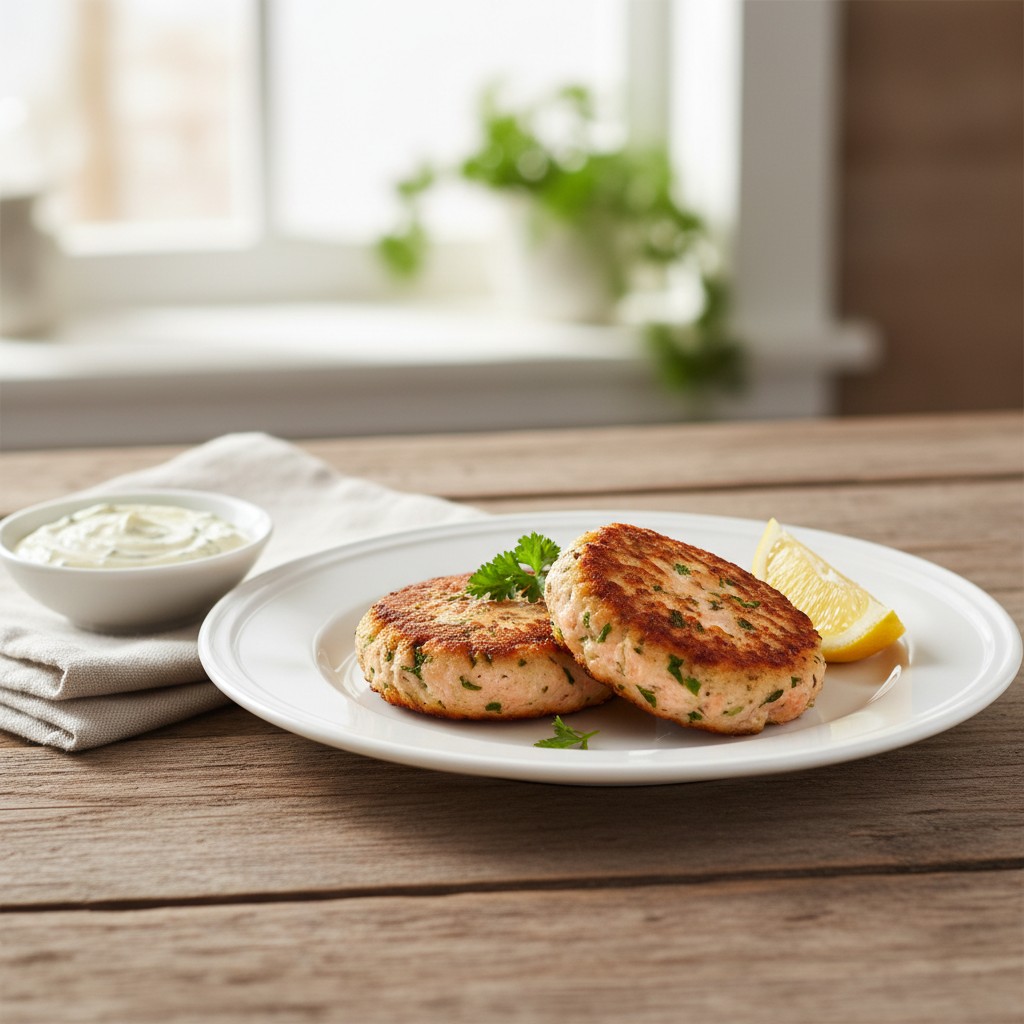
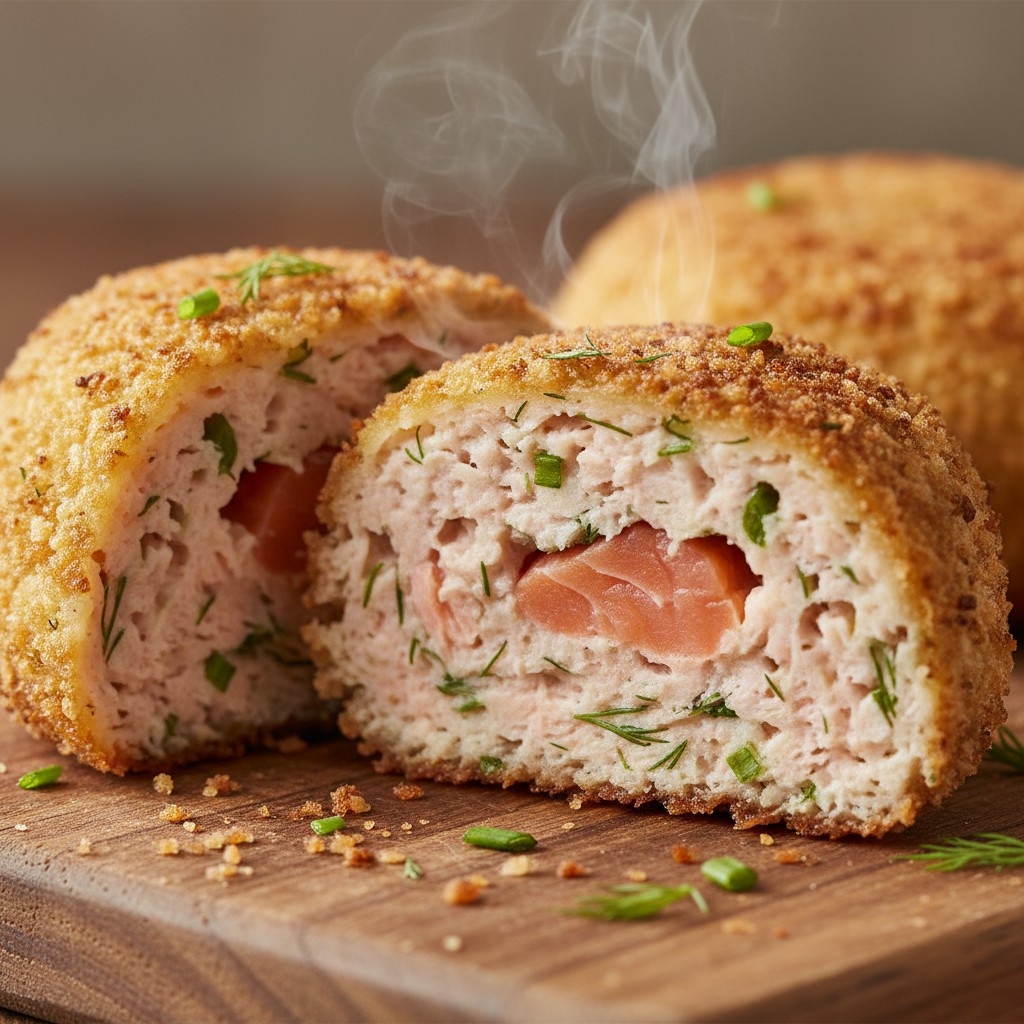
The humble fishcake is, I think, one of the great stalwarts of British home cooking. Sadly, it is often let down by poor execution, resulting in something rather sad and stodgy. But a proper fishcake, made with care, is a thing of beauty: a crisp, golden shell giving way to a soft, fluffy interior, perfectly seasoned and packed with flavour. They represent comfort, economy, and simple elegance all at once.
The secret, as with so many things in cookery, lies in getting the basics absolutely right. It begins with the potato. You must use a floury variety, as a waxy potato holds too much water and will create a wet, unmanageable mixture. Then there is the salmon itself – good quality tinned salmon is perfectly acceptable and wonderfully convenient, but using freshly poached salmon will elevate your fishcakes to another level entirely. The choice is yours, and both yield excellent results.
Mastering the art of a good fishcake is a skill that will serve you well. It's a recipe that can be adapted for a simple midweek supper with a green salad, or dressed up as a smart starter for a dinner party. This is my definitive method, designed to give you complete confidence and a perfect result, time after time.
Why You'll Love This Recipe
- Using a floury potato like Maris Piper or King Edward is crucial. They have less water content, which means your fishcakes won't be soggy and will hold their shape beautifully during frying.
- Chilling the mixture for at least an hour is a non-negotiable step. It allows the potato starch to firm up, making the cakes much easier to handle and preventing them from falling apart in the pan.
- A classic three-stage coating process (flour, egg, breadcrumbs) creates a robust, golden-brown crust that provides the perfect textural contrast to the soft, fluffy interior and seals the filling in.
Ingredients
- 500g floury potatoes (such as Maris Piper or King Edward), peeled and cut into even-sized chunks
- 400g skinless salmon fillet, or 2 x 213g tins of red salmon, drained
- 25g butter
- 4 spring onions, finely chopped
- 1 tablespoon chopped fresh parsley
- Zest of 1 lemon
- A good grating of fresh nutmeg
- Salt and freshly milled black pepper
- 50g plain flour
- 1 large free-range egg, beaten
- 100g panko or fine dry breadcrumbs
- Vegetable oil, for frying
Equipment Needed
Large saucepan with lid · Colander · Potato masher · Large mixing bowl · Three shallow dishes · Large, heavy-based frying pan · Slotted spoon · Baking tray
Step-by-Step Instructions
- First, cook the potatoes. Place them in a saucepan of salted water, bring to the boil and simmer for 15-20 minutes, or until completely tender. Drain them very thoroughly in a colander, then return them to the warm, empty pan over a low heat for a minute to drive off any excess steam. This is a vital step for a non-soggy fishcake.
- If using fresh salmon, place the fillet in a small frying pan with a splash of water, cover with a lid, and steam gently for 6-8 minutes until cooked through. Allow it to cool slightly before flaking it into large pieces, discarding any grey bits.
- Mash the potatoes with the butter until smooth, but do not overwork them. Season well with salt, pepper, and a grating of nutmeg.
- Gently fold the flaked salmon, chopped spring onions, parsley, and lemon zest into the mashed potato. Be careful not to break up the fish too much. Taste the mixture and adjust the seasoning if needed – it should be well-seasoned.
- Spread the mixture onto a plate, cover with cling film, and place in the refrigerator to chill for at least one hour, or up to 24 hours. This firming-up stage is crucial for easy shaping.
- Once chilled, divide the mixture into 8 equal portions. With lightly floured hands, shape each portion into a neat, round cake about 2cm thick.
- Now, prepare for coating. You will need three shallow dishes. Place the flour in the first, the beaten egg in the second, and the breadcrumbs in the third. Season the flour lightly.
- Dip each fishcake first into the flour, tapping off the excess. Then, dip it into the beaten egg, ensuring it's fully coated. Finally, press it firmly into the breadcrumbs, covering it completely. Place the coated cakes on a tray.
- To cook, heat about 1cm of vegetable oil in a large, heavy-based frying pan over a medium heat. You can test if it's ready by dropping in a breadcrumb; it should sizzle immediately.
- Carefully place the fishcakes into the hot oil, cooking them in batches of 4 to avoid overcrowding the pan. Fry for 3-4 minutes on each side until crisp and a deep golden brown.
- Remove the cooked fishcakes with a slotted spoon and drain them on kitchen paper. Keep the first batch warm in a low oven while you cook the second. Serve immediately.
Delia's Notes from the Kitchen
The real secret to a fishcake that isn't disappointingly 'pappy' is to treat the potato with respect. After boiling, drain them thoroughly and let them sit in the colander for a few minutes to allow all the steam to escape. This dries them out and is the single most important step towards achieving a light, fluffy texture for the filling.
How to Store & Reheat
Uncooked, coated fishcakes can be kept in the refrigerator on a tray lined with parchment for up to 24 hours. For longer storage, freeze them in a single layer on the tray before transferring to a freezer bag; they will keep for up to 3 months and can be cooked from frozen, adding a few extra minutes to the cooking time. To reheat cooked fishcakes, place them on a baking tray in a preheated oven at 180°C (160°C Fan, Gas Mark 4) for 15-20 minutes until piping hot throughout. Frying them again is not recommended as it can make them greasy.
Frequently Asked Questions
Why do my fishcakes fall apart when I fry them?
This is almost always due to one of two things: the potato mixture was too wet, or the mixture wasn't chilled for long enough. Ensure you use a floury potato and dry it thoroughly after boiling. Chilling the mixture is not an optional step – it's essential for helping the cakes to firm up and hold their shape.
Can I use leftover cooked salmon?
Yes, absolutely. This recipe is an excellent way to use up leftover cooked salmon from a previous meal. Simply flake it and add it to the potato mixture as directed.
Can I bake the fishcakes instead of frying them?
You can, although you won't achieve the same level of crispness. To bake them, preheat your oven to 200°C (180°C Fan, Gas Mark 6). Place the coated fishcakes on a baking tray lightly brushed with oil, then spray or brush the tops of the cakes with a little more oil. Bake for 20-25 minutes, turning halfway, until golden and hot.
What's the best potato to use for fishcakes?
A floury, 'dry' potato is essential. Look for varieties like Maris Piper, King Edward, or Russet. They mash up light and fluffy and contain less water, which prevents the mixture from becoming soggy.
How can I make this recipe gluten-free?
It's quite simple to adapt. Use a gluten-free plain flour blend for dusting and certified gluten-free breadcrumbs for the coating. All other ingredients are naturally gluten-free, but always double-check labels.