The Proper Queen of Puddings
A truly classic British pudding, this recipe shows you how to master the three distinct layers: a soft custard base, a sharp fruit jam, and a crisp meringue crown. It is a lesson in thrift, texture, and taste all in one dish.
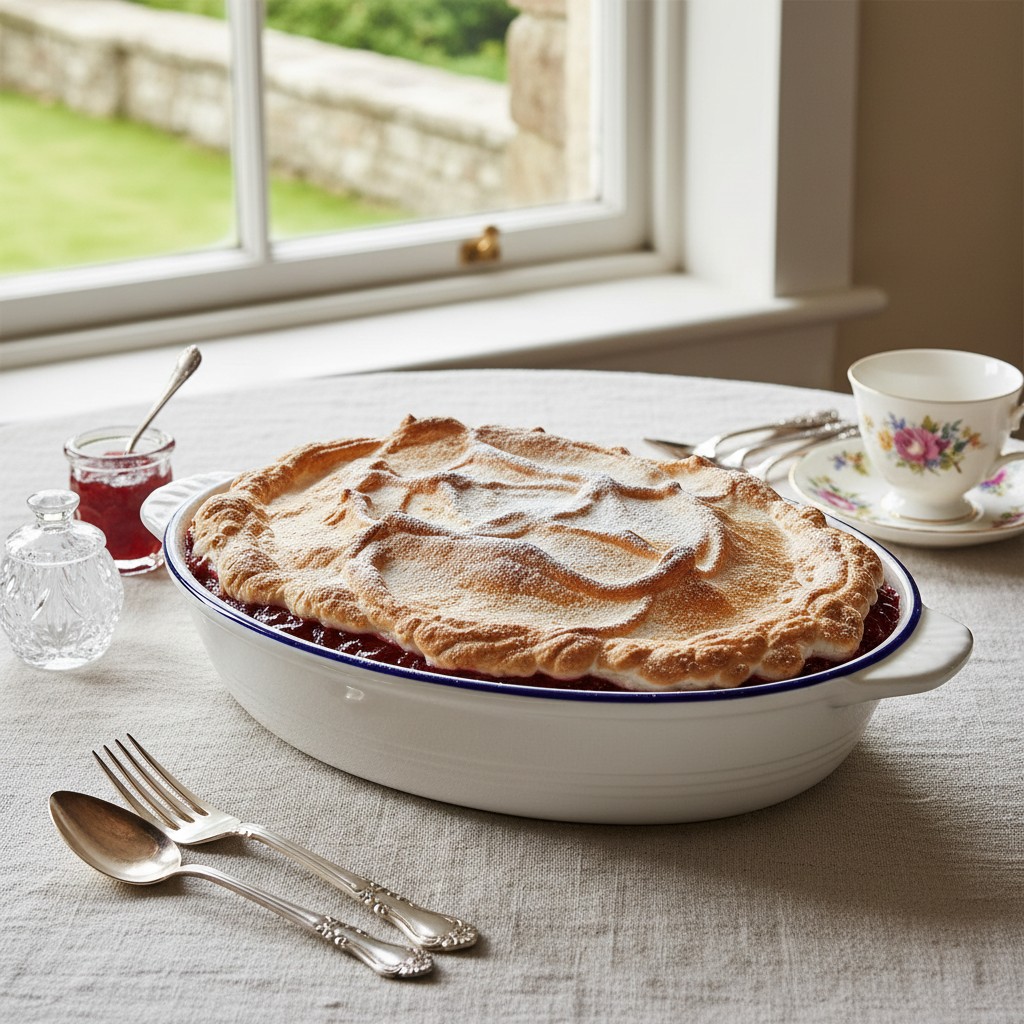
There are some puddings so deeply ingrained in our culinary heritage that they feel like old friends, and the Queen of Puddings is certainly one of them. It is a magnificent construction, a testament to the thrift and ingenuity of British cooks, turning leftover bread into something truly special. It may have fallen out of fashion for a time, but like all true classics, its return is always welcome.
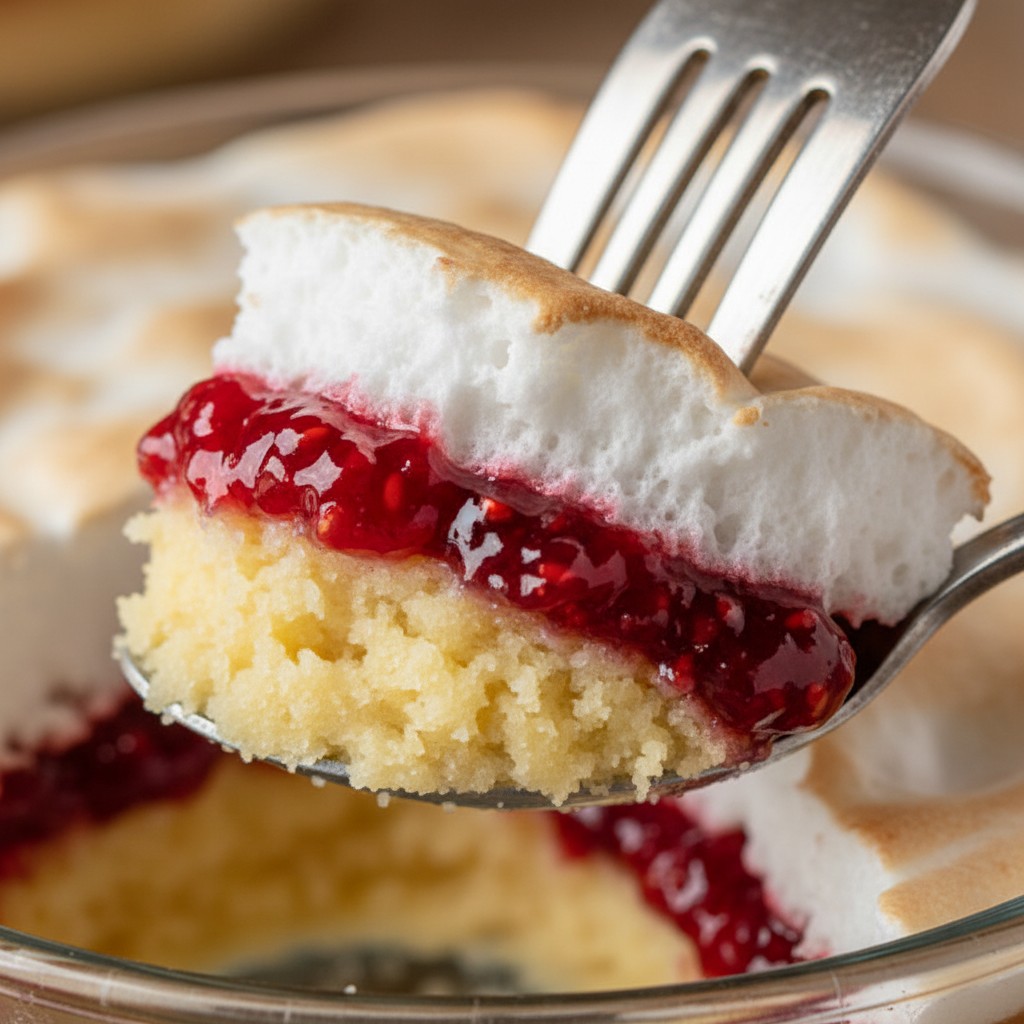
This is a pudding of delightful contrasts. It begins with a soft, lemon-scented breadcrumb custard base, baked gently until just set. This is followed by a sharp, fruity layer of jam – raspberry is traditional and its tartness is essential – all concealed beneath a billowing, cloud-like crown of crisp, sweet meringue. It’s a simple list of ingredients, but the magic is in the assembly and the careful cooking of each component.
To make a Queen of Puddings is not just to follow a recipe; it is to learn a little about the chemistry of the kitchen. It teaches us how to make a gentle custard, how to whip egg whites to perfection, and how to balance sweetness with sharpness. It is, in my opinion, a fundamental lesson for any home cook, and the results are always deeply rewarding and utterly delicious.
Why You'll Love This Recipe
- Using stale breadcrumbs is crucial as they absorb the custard mixture more effectively without turning mushy, creating a base with a delicate, cake-like texture.
- Baking the custard base in a bain-marie (a water bath) ensures a gentle, even heat, preventing the eggs from scrambling and resulting in a perfectly smooth, silky set.
- Whisking egg whites in a scrupulously clean bowl and adding the sugar gradually ensures the sugar dissolves completely, creating a stable, glossy meringue that won't 'weep' or collapse during baking.
Ingredients
- 1 pint (570ml) full-fat milk
- 1oz (25g) unsalted butter, plus extra for greasing
- Finely grated zest of 1 large, unwaxed lemon
- 2 large eggs, separated
- 1½ oz (40g) caster sugar for the custard
- 3oz (85g) day-old white breadcrumbs
- 4 heaped tablespoons good-quality raspberry jam
- 4oz (110g) caster sugar for the meringue
Equipment Needed
2 pint (1.2 litre) shallow ovenproof dish · Deep roasting tin (for the bain-marie) · Medium heavy-based saucepan · 2 mixing bowls (one must be spotlessly clean for egg whites) · Electric or balloon whisk · Measuring scales and spoons · Fine-mesh sieve · Spatula
Step-by-Step Instructions
- First, pre-heat your oven to 160°C, Fan 140°C, Gas Mark 3. You will also need a deep roasting tin large enough to hold your pudding dish. Generously butter a 2 pint (1.2 litre) shallow ovenproof dish.
- To make the custard base, pour the milk into a medium, heavy-based saucepan. Add the butter and the lemon zest and heat it very gently until the butter has melted and the milk is just approaching simmering point – you will see small bubbles appearing at the edge. Do not let it boil.
- While the milk is heating, separate your eggs. Place the yolks in a mixing bowl and the whites in a separate, scrupulously clean bowl (set aside for the meringue later). Add the 1½ oz (40g) of caster sugar to the yolks and whisk them together for about a minute until pale.
- Now, pour the hot milk mixture over the whisked yolks and sugar, whisking continuously as you pour. Then, stir in the breadcrumbs. Leave the mixture to stand for 15 minutes so the breadcrumbs can swell and absorb the liquid.
- After soaking, pour the custard mixture into the prepared buttered dish. Place the dish into the roasting tin and pour hot water from a kettle into the tin to come halfway up the sides of the dish. This is your bain-marie.
- Bake on the middle shelf of the oven for 25-30 minutes, or until the custard is just set with a slight wobble in the centre. Remove the dish from the water bath and set aside.
- Increase the oven temperature to 170°C, Fan 150°C, Gas Mark 4. Gently warm the raspberry jam in a small saucepan over a low heat just until it's spreadable, then carefully spread it over the surface of the baked custard.
- For the meringue, whisk the egg whites in their clean, grease-free bowl until they form stiff peaks. Then, begin adding the 4oz (110g) of caster sugar, a tablespoon at a time, whisking well after each addition until the meringue is very stiff, thick, and glossy. You should not be able to feel any sugar granules if you rub a little between your thumb and forefinger.
- Spoon or pipe the meringue over the jam layer, making sure it completely covers the surface and touches the sides of the dish to seal it in. Use the back of a spoon to create attractive peaks.
- Return the pudding to the oven (without the water bath this time) for 15-20 minutes, until the meringue is crisp on the outside and a pale golden-brown colour. This pudding is best served warm, almost immediately.
Delia's Notes from the Kitchen
A note on success: The two most important techniques for this pudding are the bain-marie for the custard and the clean bowl for the meringue. Don't be tempted to skip the water bath; it is the secret to a silky, perfect custard base. And when it comes to meringue, 'scrupulously clean' is the only way – I always wipe my bowl with a little lemon juice on a piece of kitchen paper to remove any final trace of grease before I begin.
How to Store & Reheat
Queen of Puddings is at its absolute best served warm, shortly after it comes out of the oven. The meringue is crisp, the jam is molten, and the custard is soft. Unfortunately, it does not store or reheat well; the meringue will become soft and may 'weep', and the custard base can become watery. It is a pudding to be made and enjoyed on the same day.
Frequently Asked Questions
Why did my meringue 'weep' or leak sugary syrup?
This almost always happens when the sugar has not been fully dissolved into the egg whites. It's vital to add the sugar gradually and whisk until the mixture is completely smooth and glossy, with no gritty feeling. A humid kitchen can also contribute to this.
My custard base was scrambled/curdled. What went wrong?
This indicates the custard was cooked at too high a temperature. Using a bain-marie (water bath) is my non-negotiable method for preventing this, as it provides a gentle, indirect heat that sets the eggs beautifully without scrambling them.
Can I use fresh breadcrumbs instead of stale ones?
You can, but the texture of the base will be different and potentially a little soggier. Day-old bread has lost some of its moisture, which makes it thirstier and better at absorbing the custard mixture to create that lovely, light, almost cake-like texture.
How do I ensure my egg whites whip up properly?
The golden rule is to use a scrupulously clean, dry, and grease-free bowl and whisk. Any trace of fat or egg yolk will prevent the whites from reaching their full volume and forming stiff peaks.
Can I assemble the pudding ahead of time?
You can prepare the custard base and bake it a few hours ahead. Let it cool, then cover and keep at room temperature. However, the jam and meringue topping must be added and baked just before you plan to serve it for the best texture and appearance.