The Perfect Pavlova
A Pavlova is a thing of real beauty, with its crisp, snowy-white shell and marshmallow-soft interior. Follow these instructions precisely for a dessert that never fails to impress.
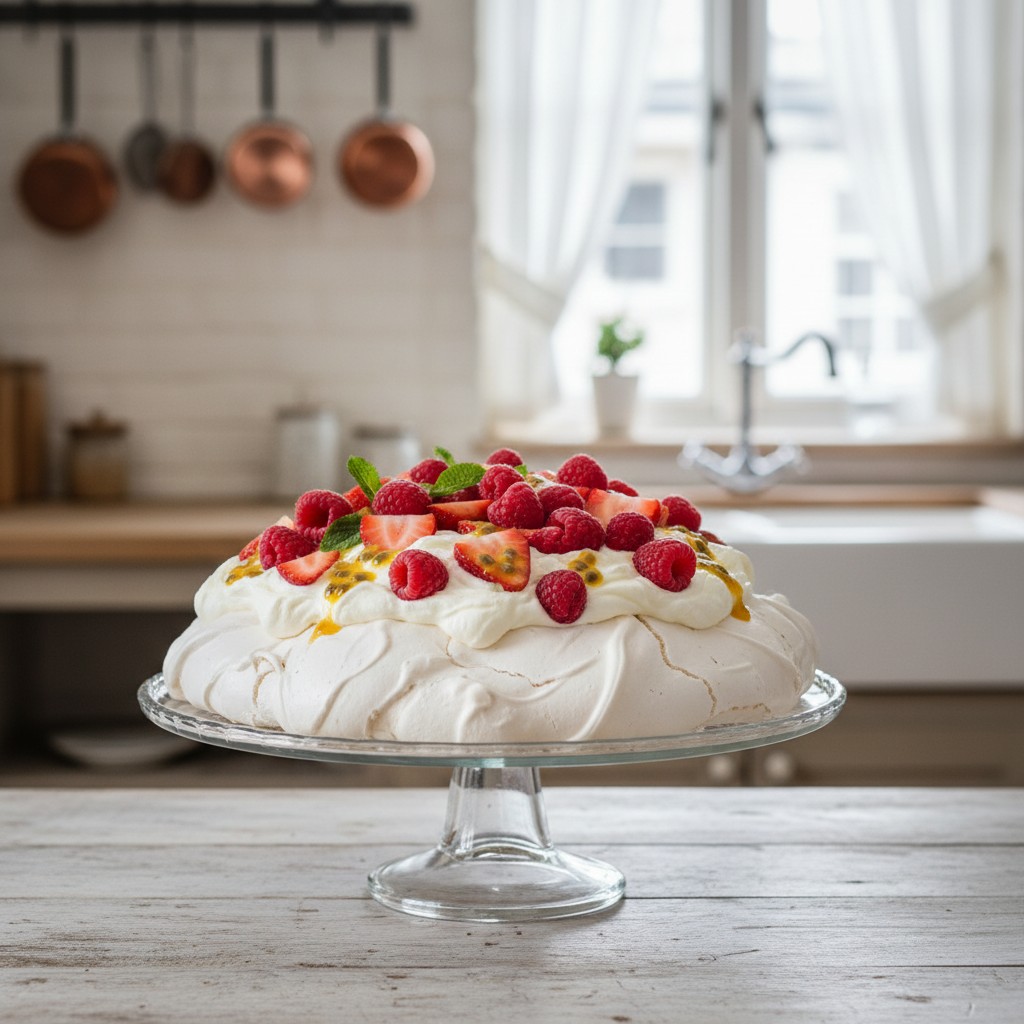
There are some puddings that cause a certain amount of trepidation in the kitchen, and for many, the Pavlova is one of them. It seems to have a reputation for being temperamental, but I am here to tell you that is simply not the case. If you follow a few very important, yet simple, rules, you can produce a perfect Pavlova every single time.
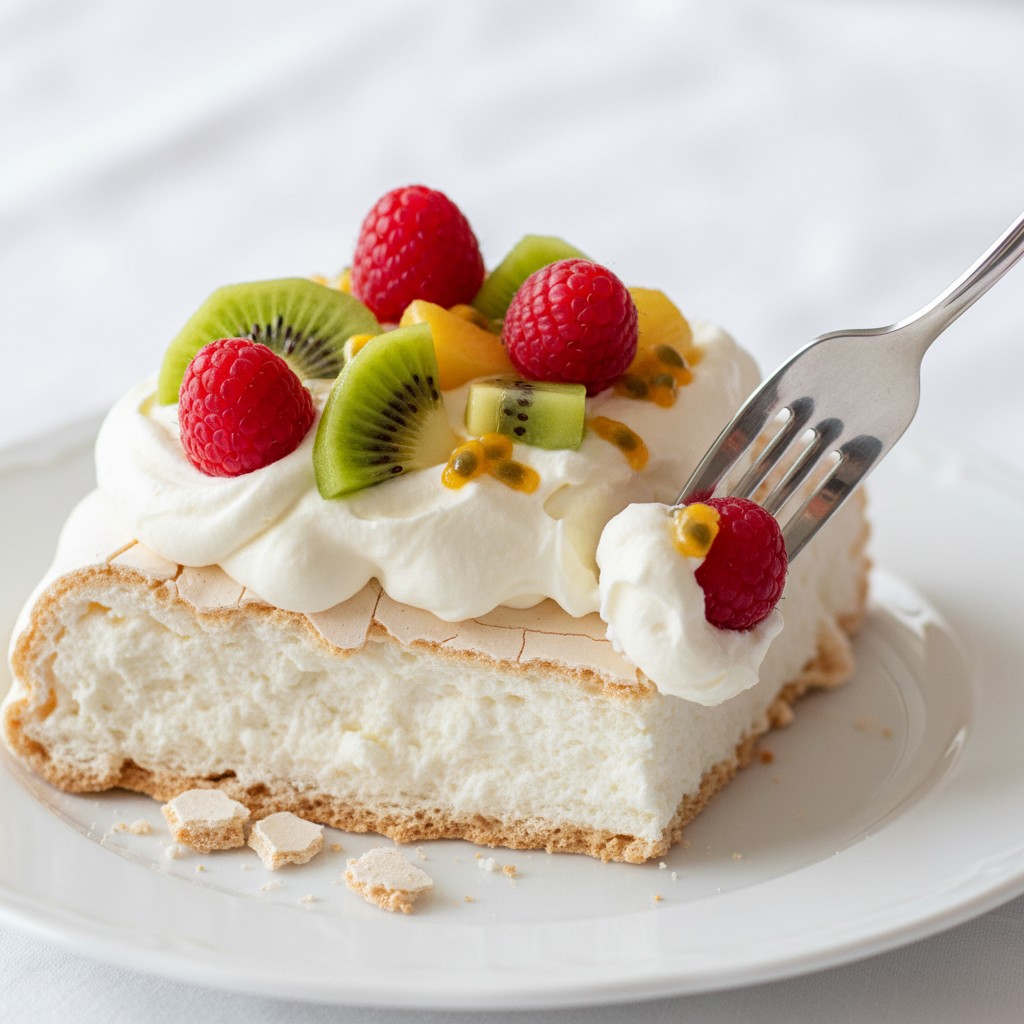
The magic of a Pavlova lies in its dual texture: a crisp, fragile shell that shatters at the touch of a spoon, giving way to a soft, marshmallow-like centre. It is this contrast that makes it so utterly compelling. It's a dessert that feels both light and decadent, a snowy-white canvas for the most vibrant fruits of the season.
So, put aside any past anxieties. This recipe is a lesson in precision and patience, but the reward is a true showstopper, a dessert that brings a gasp of delight to the table. Let's begin, shall we?
Why You'll Love This Recipe
- The combination of cornflour and white wine vinegar is crucial. The acid from the vinegar helps to stabilise the egg whites, while the cornflour ensures that wonderful soft, mallowy interior.
- Using a scrupulously clean, grease-free bowl is non-negotiable. Any trace of fat will prevent the egg whites from whisking to their full, glorious volume.
- A very low oven temperature and a long, slow cooling period in the turned-off oven are the secrets to a crisp, white shell that doesn't crack too dramatically or weep.
Ingredients
- 4 large, very fresh free-range egg whites
- 225g caster sugar
- 1 tsp cornflour
- 1 tsp white wine vinegar
- A few drops of vanilla extract
- For the topping:
- 300ml double cream
- 1 tbsp icing sugar, sifted
- Approx. 450g mixed fresh fruit (such as raspberries, strawberries, blueberries, passionfruit pulp, kiwi slices)
Equipment Needed
Electric hand whisk or Stand mixer · Large, grease-free mixing bowl (glass or metal) · Large flat baking sheet · Baking parchment · Spatula · Pencil and a 20cm plate
Step-by-Step Instructions
- First, pre-heat your oven to 150°C, 130°C Fan, Gas Mark 2. Take a large, flat baking sheet and place a piece of baking parchment on top. Using a pencil, draw a 20cm circle onto the parchment – a dinner plate makes a good guide. Then, turn the parchment over so the pencil mark is underneath.
- Now, for the most important step. Take a large, spotlessly clean bowl (glass or metal is best). To be absolutely certain it's free from grease, I always wipe the inside of the bowl with a piece of kitchen roll dipped in a little vinegar, then dry it with a fresh piece.
- Place the egg whites in the bowl. Using an electric hand whisk or a stand mixer, begin to whisk them on a medium speed until they form stiff peaks. You'll know they are ready when you can turn the bowl upside down without the mixture sliding out.
- Now, you must add the caster sugar, but very, very slowly – one tablespoon at a time – whisking continuously on high speed. Don't rush this part. You need to give the sugar time to dissolve into the egg whites. Continue until all the sugar is incorporated and the meringue is thick, stiff, and brilliantly glossy.
- To check if the sugar has dissolved, rub a small amount of the meringue between your thumb and forefinger. If it feels smooth, it's ready. If it's gritty, continue to whisk for another minute or two.
- Using a metal spoon or spatula, gently fold in the cornflour, white wine vinegar, and vanilla extract. Be gentle; you want to keep as much air in the mixture as possible.
- Spoon the meringue onto your prepared baking parchment, inside the circle you drew. Use a spatula to shape it into a neat round, creating a slight crater in the middle to hold the cream and fruit later. Build up the sides to form a 'nest'.
- Place the baking sheet in the centre of the pre-heated oven and immediately reduce the temperature to 140°C, 120°C Fan, Gas Mark 1. Bake for 1 hour and 15 minutes.
- After this time, turn the oven off completely, but do not open the door. Leave the Pavlova inside the oven to cool completely, which will take several hours, or even overnight. This prevents it from cracking.
- When you are ready to serve, whip the double cream with the sifted icing sugar until it holds soft, floppy peaks. Spoon the cream into the centre of the cold meringue shell and pile generously with your chosen fresh fruit. Serve immediately.
Delia's Notes from the Kitchen
The absolute key to success with any meringue is a scrupulously clean, grease-free bowl. I always wipe my bowl with a piece of kitchen paper dipped in a little vinegar and then dry it thoroughly before I begin. It's a small step that guarantees success. Also, do not be tempted to open the oven door while the Pavlova is cooking or cooling – patience truly is the secret ingredient here.
How to Store & Reheat
The unfilled meringue shell is best made a day or two ahead. Once completely cool, store it in a large, airtight container at room temperature (not in the fridge). Do not assemble the Pavlova until you are ready to serve, as the cream will quickly soften the meringue. Once assembled, it is best eaten within a few hours. Pavlova cannot be reheated.
Frequently Asked Questions
Why did my Pavlova weep and leak sugary syrup?
This is the most common problem and it's almost always because the caster sugar was not fully dissolved into the egg whites. You must add the sugar very slowly and whisk until the mixture is completely smooth, not gritty.
My Pavlova turned out beige instead of white. What went wrong?
This means your oven was too hot. All ovens vary, so it's worth using an oven thermometer to check yours is accurate. A low and slow bake is essential for a snowy-white finish.
Can I make Pavlova on a very humid or rainy day?
Meringue is sensitive to moisture in the air, as sugar is hygroscopic (meaning it attracts water). While you can still make it, it can be trickier to get a perfectly crisp shell. Ensure your kitchen is as dry as possible and that the meringue is stored in a truly airtight container as soon as it's cool.
How do I know when my egg whites are whisked to 'stiff peaks'?
When you lift the whisks out of the bowl, the peaks that form should stand upright and not flop over. The classic test is to hold the bowl upside down over your head – if you've done it right, the mixture will stay put! Do this with caution, of course.
Can I use a different type of sugar?
I'm afraid not. Caster sugar is essential for its fine crystals which dissolve easily. Granulated sugar is too coarse, and icing sugar won't provide the right structure. Please stick with caster sugar for guaranteed success.