My Classic Slow-Cooked Lamb Shanks
This is the definitive recipe for lamb shanks, slow-cooked until meltingly tender in a rich red wine and rosemary sauce. A truly comforting and impressive main course that is surprisingly straightforward to prepare.
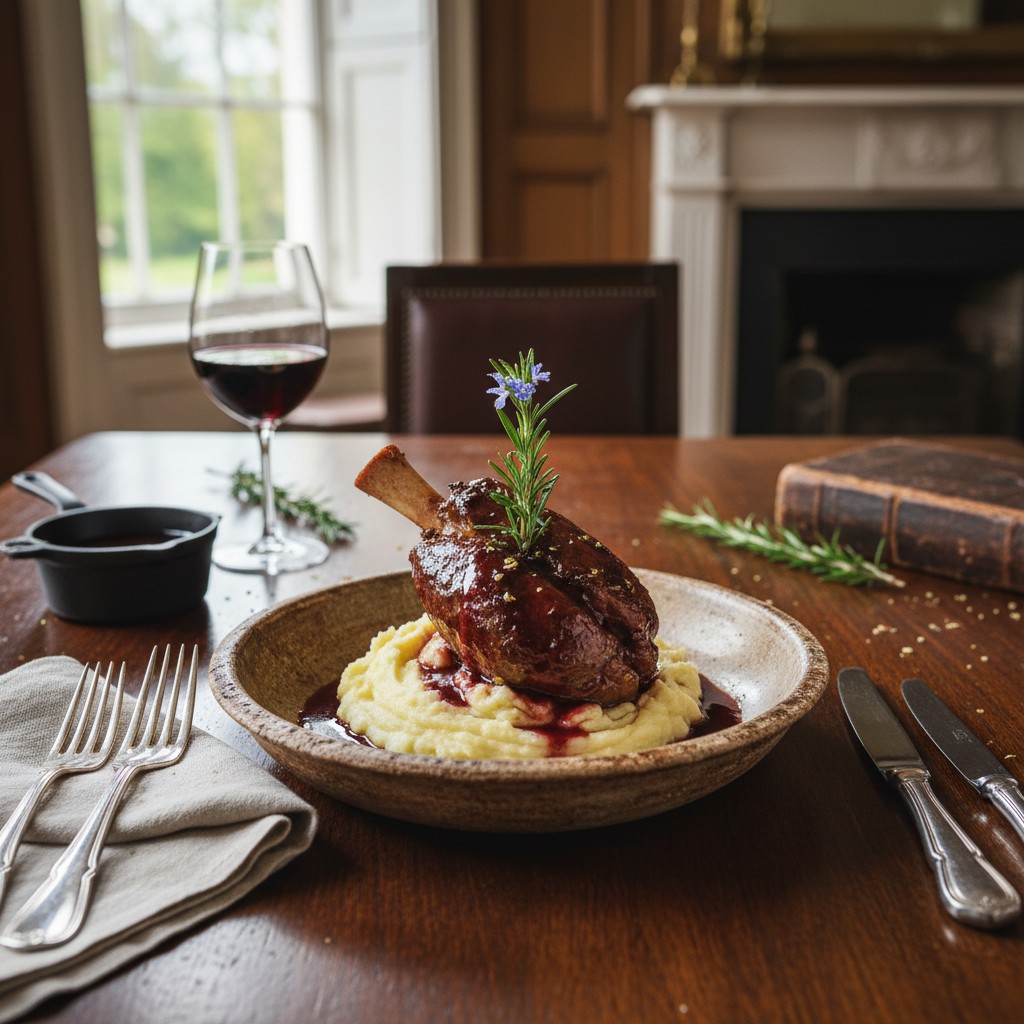
How to Achieve Perfection with My Delia Smith Lamb Shanks Recipe
There is something deeply satisfying about a truly magnificent my Delia Smith Lamb Shanks Recipe. It represents the very best of slow cooking, transforming a humble, tougher cut of meat into something quite spectacular: meltingly tender, falling away from the bone, and bathed in a rich, glossy sauce. This is not a dish to be rushed; it is a lesson in patience and the rewards that come from allowing time and gentle heat to work their quiet magic in the kitchen.
For a Sunday lunch or a special occasion dinner, there is little that can rival the comforting elegance of a perfectly cooked lamb shank. It feels like a grand gesture, yet the process is wonderfully straightforward and forgiving, with the oven doing most of the work. The aroma that will fill your kitchen as it cooks is one of the great joys of home cooking, promising something truly wonderful to come.
This recipe provides a reliable, step-by-step method to achieve just that, ensuring a glorious result every single time. We will build layers of flavour, starting with browning the meat properly, creating a classic base of vegetables, and then braising everything slowly in a rich liquid of red wine and good stock. Trust the process, and you will be rewarded handsomely.
Why You'll Love This Recipe
- Browning the shanks first (the Maillard reaction) creates a deep, savoury foundation of flavour for the final sauce.
- A very long, slow braise at a low temperature is essential for breaking down the tough connective tissues in the shank, resulting in that coveted melt-in-the-mouth texture.
- Using a heavy-based casserole dish with a tight-fitting lid ensures even heat distribution and prevents the cooking liquid from evaporating too quickly, keeping the meat moist.
Ingredients
- 4 meaty lamb shanks (about 400g each)
- 2 tablespoons plain flour
- 1 teaspoon salt
- ½ teaspoon freshly milled black pepper
- 3 tablespoons olive oil
- 2 medium onions, peeled and finely chopped
- 2 medium carrots, peeled and finely chopped
- 2 celery sticks, trimmed and finely chopped
- 4 cloves of garlic, peeled and crushed
- 2 tablespoons tomato purée
- 300ml robust red wine (such as a Cabernet Sauvignon or Merlot)
- 500ml good quality beef or lamb stock
- 2 sprigs of fresh rosemary
- 2 sprigs of fresh thyme
- 2 bay leaves
Equipment Needed
Large, heavy-based flameproof casserole dish with a lid · Kitchen paper · Tongs · Wooden spoon · Sieve (optional, for straining the sauce)
Step-by-Step Instructions
- First, preheat your oven to 160°C (140°C Fan, Gas Mark 3).
- Pat the lamb shanks completely dry with kitchen paper. In a shallow dish, mix the flour with the salt and pepper, then toss each lamb shank in the seasoned flour until lightly coated. Shake off any excess.
- Place a large, heavy-based, flameproof casserole dish over a medium-high heat and add 2 tablespoons of the olive oil. When the oil is shimmering, add the lamb shanks, being careful not to overcrowd the pan (do this in two batches if necessary). Brown them well on all sides until they are a deep, rich brown colour. This step is crucial for flavour. Remove the shanks and set them aside on a plate.
- Reduce the heat to medium, add the remaining tablespoon of oil to the same casserole dish. Add the chopped onions, carrots, and celery (this is your mirepoix). Cook for about 10-12 minutes, stirring occasionally, until the vegetables are soft and lightly golden. Add the crushed garlic and cook for another minute until fragrant.
- Stir in the tomato purée and cook for a further minute, then pour in the red wine. Bring it to a simmer and let it bubble for a minute or two, scraping up any browned bits from the bottom of the pan with a wooden spoon.
- Return the lamb shanks to the dish. Pour over the stock, and tuck in the rosemary, thyme, and bay leaves. The liquid should come about two-thirds of the way up the shanks.
- Bring the liquid to a gentle simmer on the hob, then cover the dish with a tight-fitting lid and transfer to the preheated oven. Cook for 2½ to 3 hours.
- After this time, check the lamb. It should be exceptionally tender and almost falling off the bone. If it's not quite there, return it to the oven for another 30 minutes. Remove the casserole from the oven. You can serve it as is, or for a glossier sauce, carefully remove the shanks and keep them warm, then strain the sauce into a clean pan, skim off any excess fat from the surface, and simmer it on the hob for 5-10 minutes to reduce and thicken slightly. Check seasoning and pour over the shanks to serve.
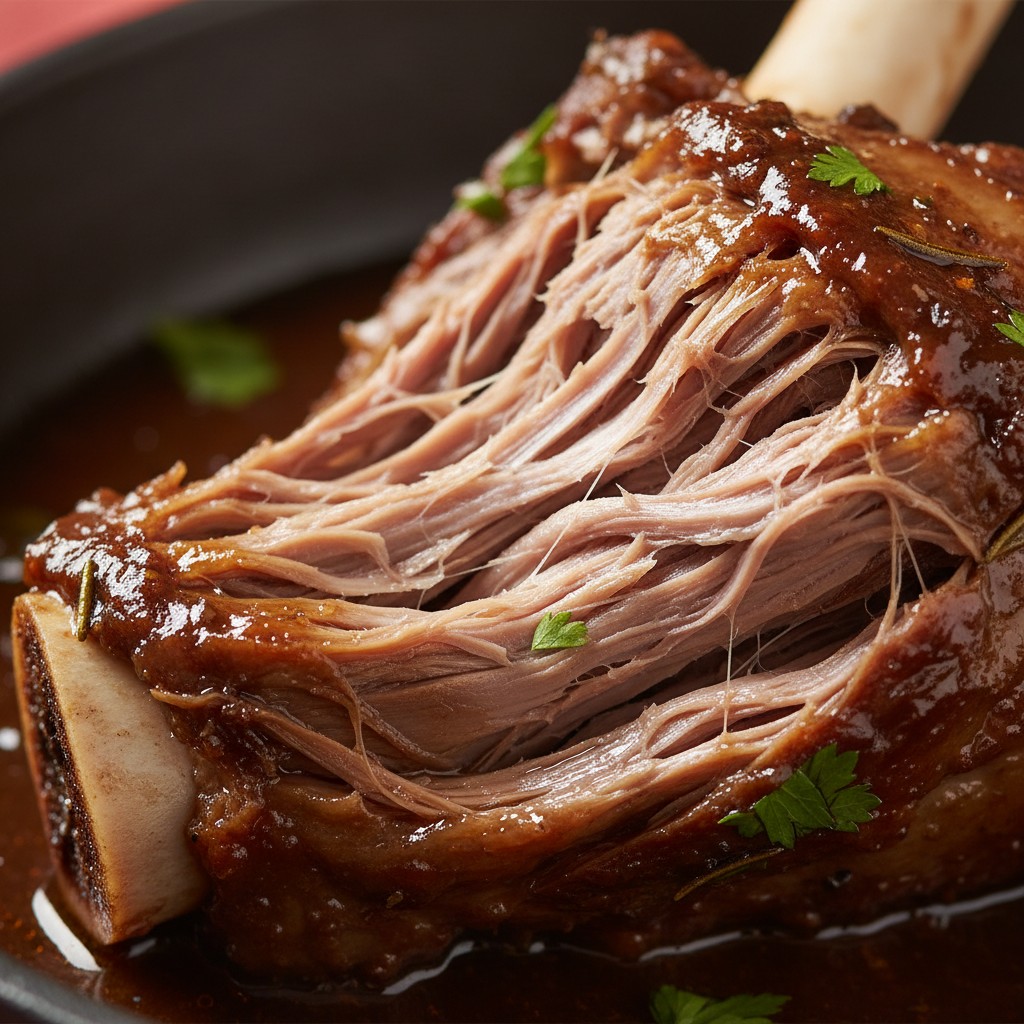
Delia's Notes from the Kitchen
The real secret here is patience and a good, solid piece of equipment. A flameproof casserole dish is one of the most worthwhile investments for any home cook. It allows you to do everything in one pot, from browning on the hob to slow-cooking in the oven, which means all those lovely caramelised bits from the bottom of the pan become part of your sauce. Don't be tempted to rush the cooking time; the lamb will tell you when it's ready by being utterly, completely tender.
How to Store & Reheat
This dish is excellent for making ahead. Allow it to cool completely, then store in an airtight container in the refrigerator for up to 3 days. The flavour often improves overnight. To reheat, place the shanks and sauce in a saucepan and warm gently over a medium-low heat until piping hot. Alternatively, reheat in a casserole dish in a moderate oven (170°C) for 20-25 minutes. It also freezes beautifully for up to 3 months.
Frequently Asked Questions
My lamb shanks were still a bit tough. What went wrong?
This is almost always a question of time. Lamb shanks need a long, slow cook to become tender. If they're tough, it simply means they need longer. Also, ensure your oven temperature is low and steady, and that you're not boiling the liquid, but rather maintaining a very gentle 'plop, plop' simmer.
Can I cook this in a slow cooker?
Yes, you certainly can. Brown the shanks and sauté the vegetables in a pan first, then transfer everything to the slow cooker. You will likely need less stock, perhaps by a third, as there's less evaporation. Cook on low for 8-10 hours or on high for 5-6 hours until tender.
Can I prepare this recipe in advance?
Absolutely. In fact, like many stews and braises, the flavour often improves if made a day ahead. Allow it to cool completely before storing in the refrigerator. Reheat gently on the hob or in a moderate oven until piping hot.
What if I don't want to use red wine?
While red wine adds a wonderful depth, you can omit it. Simply replace the quantity of wine with the same amount of extra beef or lamb stock. You might want to add a tablespoon of red wine vinegar towards the end of cooking to provide a little acidity.
What should I look for when buying lamb shanks?
Look for meaty shanks; either fore (front) or hind (back) shanks will work. Hind shanks are often larger and meatier, so they are a good choice if you can find them. Your butcher is always the best person to ask for good quality, well-trimmed shanks.