How to Make a Truly Authentic Greek Salad
Discover the secret to a perfectly balanced and refreshing Greek salad. My method ensures every ingredient shines, from the crisp cucumber to the tangy feta.
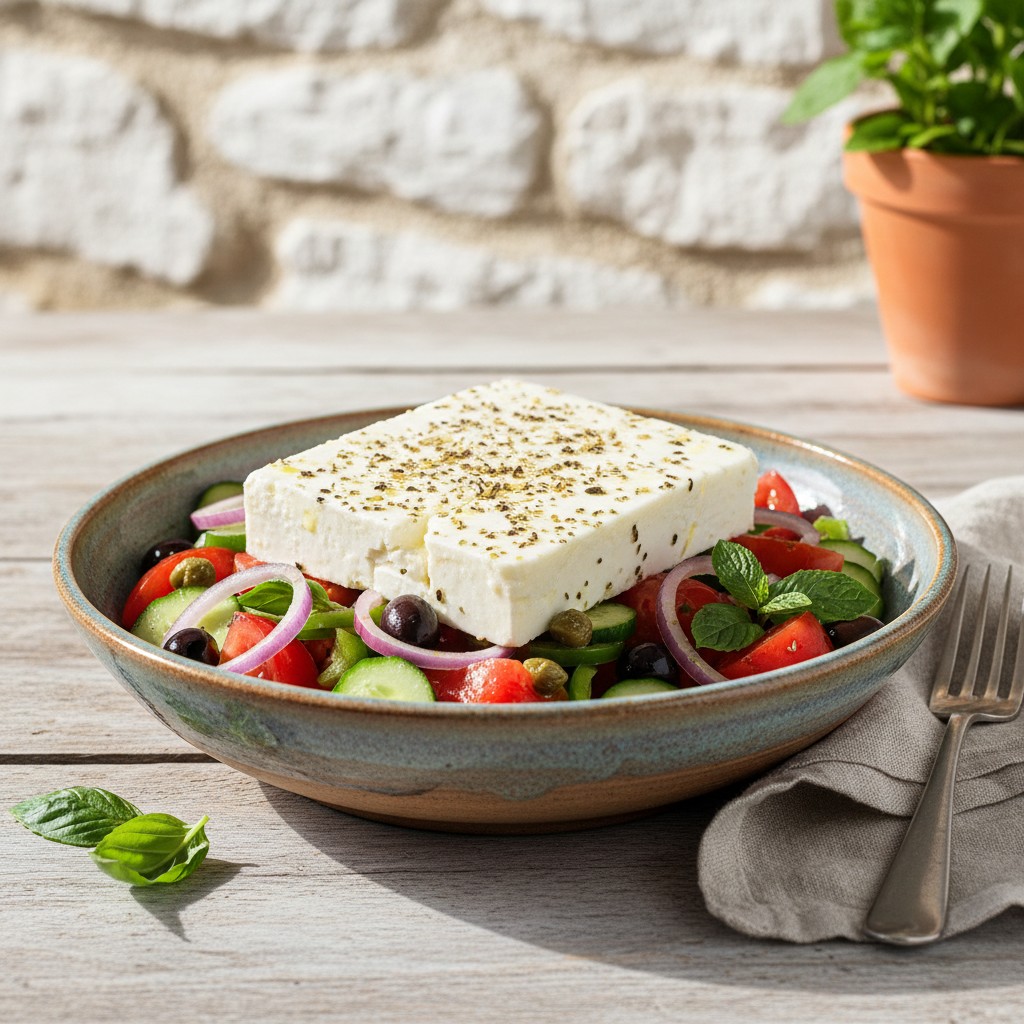
Mastering the Classic: The Definitive Delia Smith Greek Salad Recipe
The Delia Smith Greek Salad Recipe is not just a recipe; it's a lesson in respecting ingredients. A true Greek salad, or 'Horiatiki' as it is properly known, contains no lettuce. It is a celebration of summer's finest produce, where each component is given the space to shine. The success of this dish rests entirely on the quality of what you put into it – there is simply nowhere for a flavourless tomato or a sub-par olive oil to hide.
Over the years, I have seen many variations, but the classic version remains unbeatable for its refreshing simplicity. It is a cornerstone of Mediterranean cooking, a perfect example of how a few, well-chosen ingredients can create something far greater than the sum of their parts. This is not a fussy salad; it is robust, rustic, and deeply satisfying.
My aim here is to provide you with the method to create a Greek salad that tastes as it should: vibrant, fresh, and utterly delicious. We will focus on the small details of preparation that make all the difference, transforming a simple collection of vegetables into a truly memorable dish that will transport you straight to a sun-drenched taverna by the sea.
Why You'll Love This Recipe
- Using the very best, sun-ripened tomatoes and high-quality extra virgin olive oil is non-negotiable; it forms the soul of the salad.
- Salting the cucumber and onion separately draws out excess water, ensuring a crisp texture and preventing a watery dressing.
- The dressing is made directly in the bowl, allowing the juices from the tomatoes and the brine from the olives to meld into a beautifully simple, flavourful sauce.
Ingredients
- 4 large, ripe, flavoursome tomatoes (about 600g)
- 1 large cucumber
- 1 medium red onion
- 1 green bell pepper
- 200g block of good-quality Greek feta cheese
- 150g Kalamata olives, with stones
- 1 tablespoon dried Greek oregano
- 6 tablespoons extra virgin olive oil
- 2 tablespoons red wine vinegar
- 1 teaspoon sea salt
- Freshly ground black pepper
Equipment Needed
A large, wide salad bowl · Sharp vegetable knife · Chopping board · Colander · Small whisk or fork · Measuring spoons
Step-by-Step Instructions
- Begin by preparing the cucumber. Peel it, slice it in half lengthways, and use a teaspoon to scoop out the seeds. Slice the flesh into thick half-moons. Peel the red onion, slice it in half, and then into fine half-rings. Place the cucumber and onion in a colander, sprinkle with half the salt, and toss. Leave to stand over a sink or a bowl for 15-20 minutes to draw out excess water.
- Meanwhile, prepare the other vegetables. Wash the tomatoes and cut them into irregular, bite-sized wedges. De-seed the green pepper and slice it into thin rings or chunks, as you prefer.
- In a large, wide serving bowl, make the dressing. Whisk together the extra virgin olive oil, red wine vinegar, and the remaining salt. Add a good grinding of black pepper.
- Rinse the salted cucumber and onion under cold running water to remove the excess salt, then pat them thoroughly dry with a clean tea towel or kitchen paper. This step is crucial for a crisp salad.
- Add the drained cucumber and onion, the tomato wedges, pepper slices, and Kalamata olives to the bowl with the dressing.
- Toss everything together very gently, just enough to coat the vegetables in the dressing. Be careful not to break up the tomatoes.
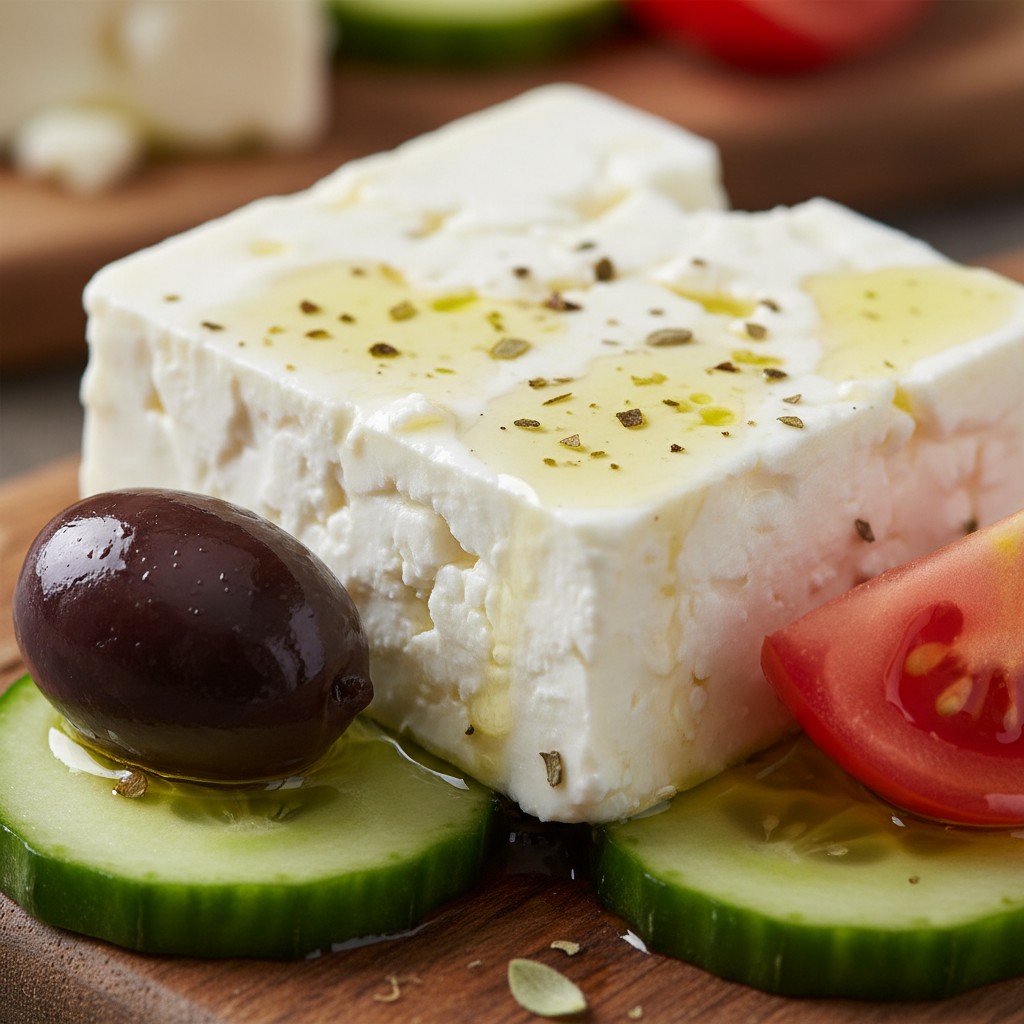
- Now, for the feta. The traditional way is to place the entire block right on top of the salad. Alternatively, you can cut it into large cubes and scatter them over. Do not crumble it too finely, as you want to taste its creamy texture.
- Finally, sprinkle the dried oregano over the feta and the salad. Finish with another light drizzle of extra virgin olive oil and serve immediately with crusty bread to mop up the juices.
Delia's Notes from the Kitchen
The real secret here is not to overthink it, but to over-think your ingredients. The quality of the olive oil, the ripeness of the tomatoes, the brine of the feta – these are the things that make the difference between a passable salad and a truly memorable one. Don't be tempted to add all sorts of other things; its beauty is in its simplicity. And please, use olives with their stones in; they simply taste better.
How to Store & Reheat
A Greek salad is always best eaten the day it is made, preferably within an hour of being tossed. If you must store it, keep it in an airtight container in the refrigerator for up to 24 hours, but be aware the vegetables will soften considerably. If you plan to make it ahead, prepare all the components but store them separately and undressed. Combine and dress just before serving.
Frequently Asked Questions
Why is there no lettuce in this recipe?
A traditional Greek village salad, or 'Horiatiki', never contains lettuce. It is a common addition in non-Greek restaurants, but its inclusion dilutes the robust, pure flavours of the core ingredients. We are aiming for authenticity here.
Should I use crumbled or block feta cheese?
I strongly recommend buying feta in a block, preferably one that has been stored in brine. It has a far superior, creamier texture and more flavour than pre-crumbled varieties, which are often dry. Placing the block on top is the most authentic presentation.
Why do you salt the cucumber and onion first?
This is a key technique. Salt is hygroscopic, meaning it draws water out of the vegetables. This not only prevents a watery, diluted dressing but also results in a much crisper texture and more concentrated flavour in the final salad.
Can I use a different type of vinegar?
Red wine vinegar is the classic choice and provides the right kind of sharp acidity to balance the rich olive oil and salty feta. In its absence, a good-quality apple cider vinegar could work, but I would avoid balsamic as its sweetness is not right for this dish.
My tomatoes aren't very flavourful. What can I do?
This salad truly depends on excellent, sun-ripened tomatoes. If you are making it out of season, I find that using high-quality cherry or piccolo tomatoes, halved, can often provide a better concentration of flavour than large, watery ones.