My Classic Gammon in Cider with Parsley Sauce
There is something deeply comforting about a properly cooked gammon joint. This recipe, simmered gently in cider, produces the most succulent, flavourful meat imaginable.
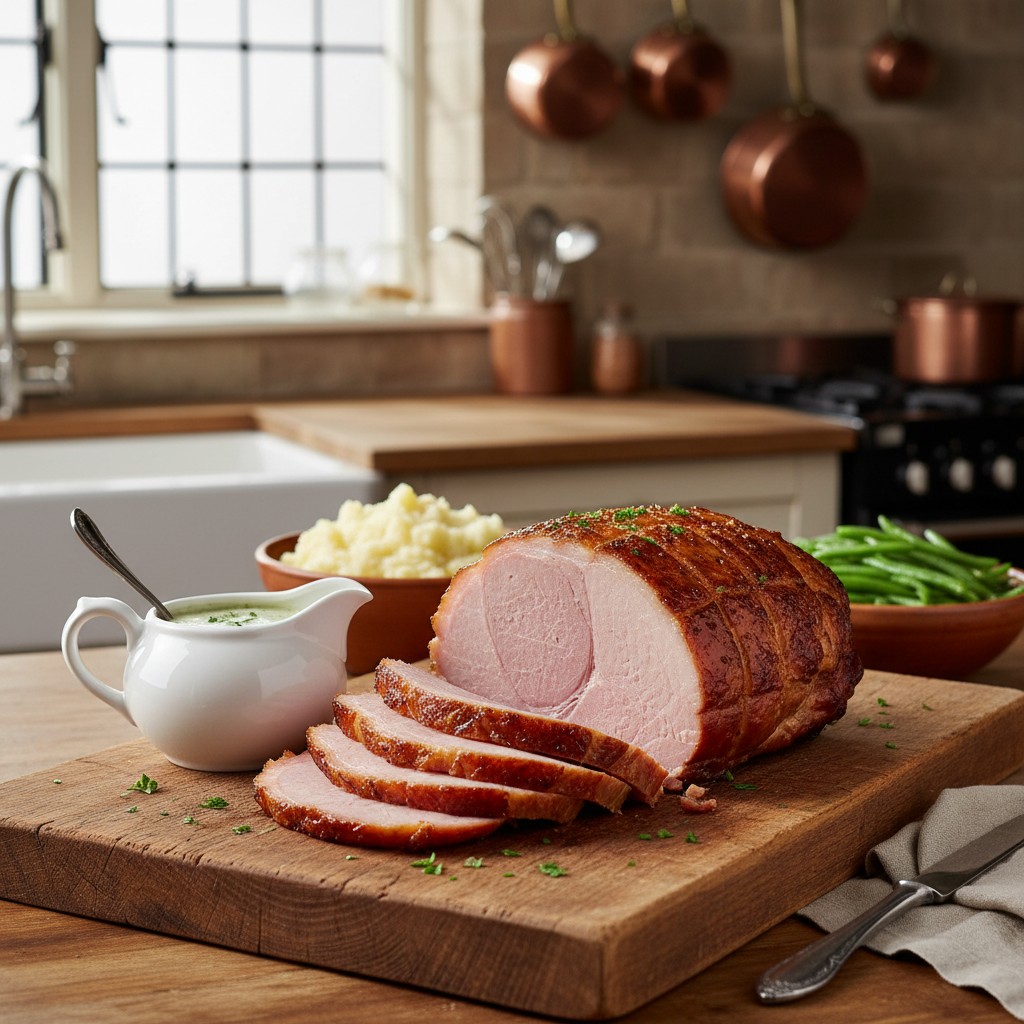
Few things signal a special meal quite like a handsome gammon joint, glistening and ready for carving. While often reserved for Christmas, I feel it's a dish that deserves a place on our tables far more frequently. It is the very essence of comforting, traditional British cooking, and when done properly, it is truly second to none.
The real secret here lies in the gentle cooking and the choice of liquid. We are going to simmer the gammon in a good, dry cider. This isn't just for flavour; the acidity in the cider works its magic on the meat, tenderising it to absolute perfection and imparting a subtle, fruity depth that complements the saltiness of the pork beautifully. It’s a method that requires a little patience, but the rewards are immense.
And what would this dish be without its classic partner, a proper parsley sauce? We won't be wasting a drop of the flavourful cooking liquor. Instead, it becomes the base for a rich, creamy, and vibrantly green sauce that cuts through the richness of the meat. This is not just a recipe; it's a lesson in creating a complete, harmonious dish from simple, honest ingredients.
Why You'll Love This Recipe
- Soaking the gammon is a crucial first step. It removes excess saltiness from the cure, ensuring the final dish is perfectly seasoned and not overpowering.
- Simmering in dry cider does two things: the gentle, low heat cooks the meat slowly, guaranteeing tenderness, while the cider's acidity and flavour infuse the gammon beautifully.
- Making a classic parsley sauce from the cooking liquor is the key. It captures all the flavour from the pot and creates a rich, creamy sauce that perfectly complements the salty meat.
Ingredients
- 1 x 1.5kg unsmoked, boneless middle gammon joint
- 1 litre dry cider
- 1 large onion, peeled and quartered
- 2 medium carrots, peeled and roughly chopped
- 2 sticks of celery, roughly chopped
- 2 bay leaves
- 10 black peppercorns
- For the Parsley Sauce:
- 50g butter
- 50g plain flour
- 300ml whole milk
- 300ml reserved gammon cooking liquor
- 6 tbsp freshly chopped flat-leaf parsley
- Freshly ground black pepper
- A grating of fresh nutmeg
Equipment Needed
Large, heavy-based saucepan or stockpot with a lid · Fine-mesh sieve · Ladle · Medium saucepan · Small whisk · Carving knife and fork · Chopping board
Step-by-Step Instructions
- First, the preparation, which begins the night before. Place the gammon joint in a large bowl or saucepan, cover it completely with cold water, and leave it to soak in a cool place or the refrigerator overnight. This is vital to draw out the excess salt.
- The next day, discard the soaking water. Place the gammon in a large, snug-fitting saucepan. Add the quartered onion, chopped carrots, celery, bay leaves, and peppercorns. Pour over the cider, then add enough cold water to just cover the meat.
- Place the pan over a medium-high heat and bring it very slowly to the boil. The moment it reaches boiling point, use a ladle to skim off any white scum that has risen to the surface. Then, immediately turn the heat down to the lowest possible setting. The liquid should barely tremble – this is what we call a gentle simmer.
- Cover the pan with a lid and let it simmer gently for the calculated cooking time. The rule is 20 minutes per 450g, so for a 1.5kg joint, this will be approximately 1 hour and 40 minutes. Do not allow it to boil vigorously.
- While the gammon cooks, prepare the parsley. Now, for the sauce. When the cooking time is up, turn off the heat. Carefully lift the gammon out of the pan and place it on a warm serving plate. Cover it loosely with foil and a couple of tea towels to keep it warm while it rests for at least 20 minutes. Resting is essential for succulent, juicy meat.
- Strain 300ml of the hot cooking liquor through a fine-mesh sieve into a jug and set aside.
- To make the sauce, melt the butter in a medium saucepan over a medium heat. Add the flour and stir with a wooden spoon or a small whisk to form a paste, known as a roux. Cook for 1-2 minutes, stirring continuously.
- Remove the pan from the heat and gradually add the milk, a little at a time, whisking vigorously after each addition to prevent lumps. Once all the milk is incorporated, do the same with the reserved hot gammon liquor. This gradual addition is the key to a smooth sauce.
- Return the pan to the heat and bring it to a gentle simmer, stirring all the time, until the sauce has thickened. Let it cook for 2-3 minutes to cook out the flavour of the flour.
- Finally, stir in the chopped parsley, add a grating of nutmeg, and taste for seasoning. It's unlikely to need salt, but a good grinding of black pepper is essential.
- To serve, remove the outer layer of skin from the rested gammon joint. Carve the meat into slices and serve immediately, with the hot parsley sauce poured over or alongside.
Delia's Notes from the Kitchen
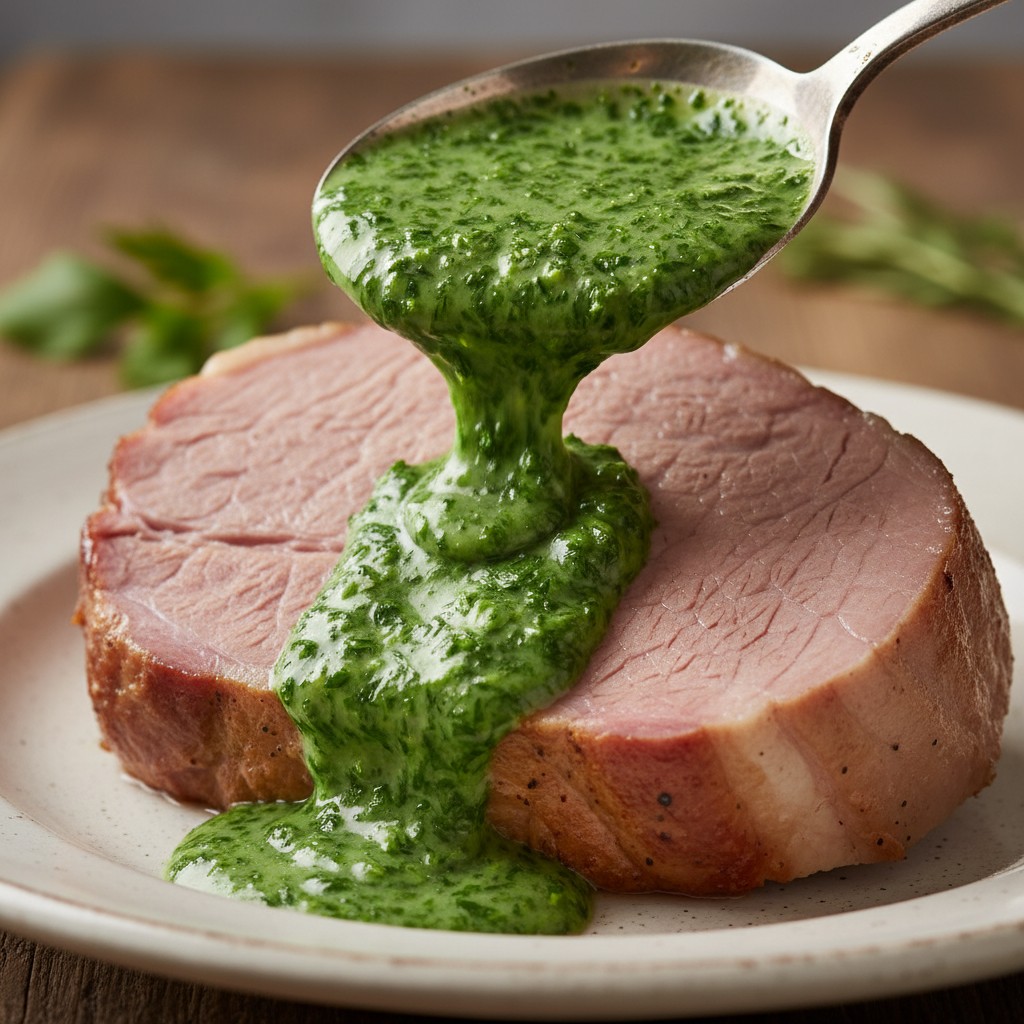
The absolute key to the most succulent gammon is a very, very gentle simmer – the surface of the liquid should barely tremble. A rolling boil is the enemy of tender meat; it will only result in a tough, stringy texture. Also, when making the sauce, using a combination of milk and the cooking liquor gives you the best of both worlds: creaminess from the milk and a deep, savoury flavour from the stock. Don't be tempted to skip the fresh parsley; its clean, peppery taste is what makes the sauce sing.
How to Store & Reheat
Leftover gammon will keep beautifully in the fridge, well-wrapped in foil or in an airtight container, for up to 4 days. It is wonderful served cold in sandwiches with a strong English mustard. To reheat, slice the gammon and place it in a pan with a little of the leftover sauce or some chicken stock. Warm it through very gently over a low heat until hot. It is important not to boil it, as this will toughen the meat.
Frequently Asked Questions
Do I really have to soak the gammon overnight?
Yes, I'm afraid so. It is a non-negotiable step. Curing methods vary, but almost all gammon joints benefit from a long soak in cold water to draw out the excess salt. Skipping this will likely result in a dish that is unpleasantly salty.
What is the best kind of cider to use?
You need a good quality, traditional dry cider, often called 'scrumpy' in the West Country. Avoid modern, sweet, or fruit-flavoured ciders as they will make the dish too sweet and lack the acidic balance needed to tenderise the meat.
My parsley sauce is lumpy. How can I fix it?
Lumps usually happen when the liquid is added too quickly or is too cold for the hot roux. The best way to fix it is to pour the sauce through a sieve. For a perfectly smooth result every time, always take the pan off the heat and add the liquid gradually, whisking well between each addition.
Can I cook this recipe in a slow cooker?
Yes, you can. After soaking, place the gammon and vegetables in the slow cooker, add the cider and just enough water to come halfway up the joint. Cook on low for 6-8 hours or on high for 4-5 hours, until tender. You will then need to make the sauce separately on the hob using the cooking liquor.
How do I know for sure that the gammon is cooked through?
The most accurate way is to use a meat thermometer; it should read 75°C when inserted into the thickest part of the meat. Alternatively, you can insert a skewer into the thickest part – it should slide in easily with no resistance, and the juices that run out should be perfectly clear.