How to Make a Proper Paella
A truly magnificent one-pan dish, this classic paella brings the authentic taste of Spain to your kitchen. Follow this guide for a perfect result every time.
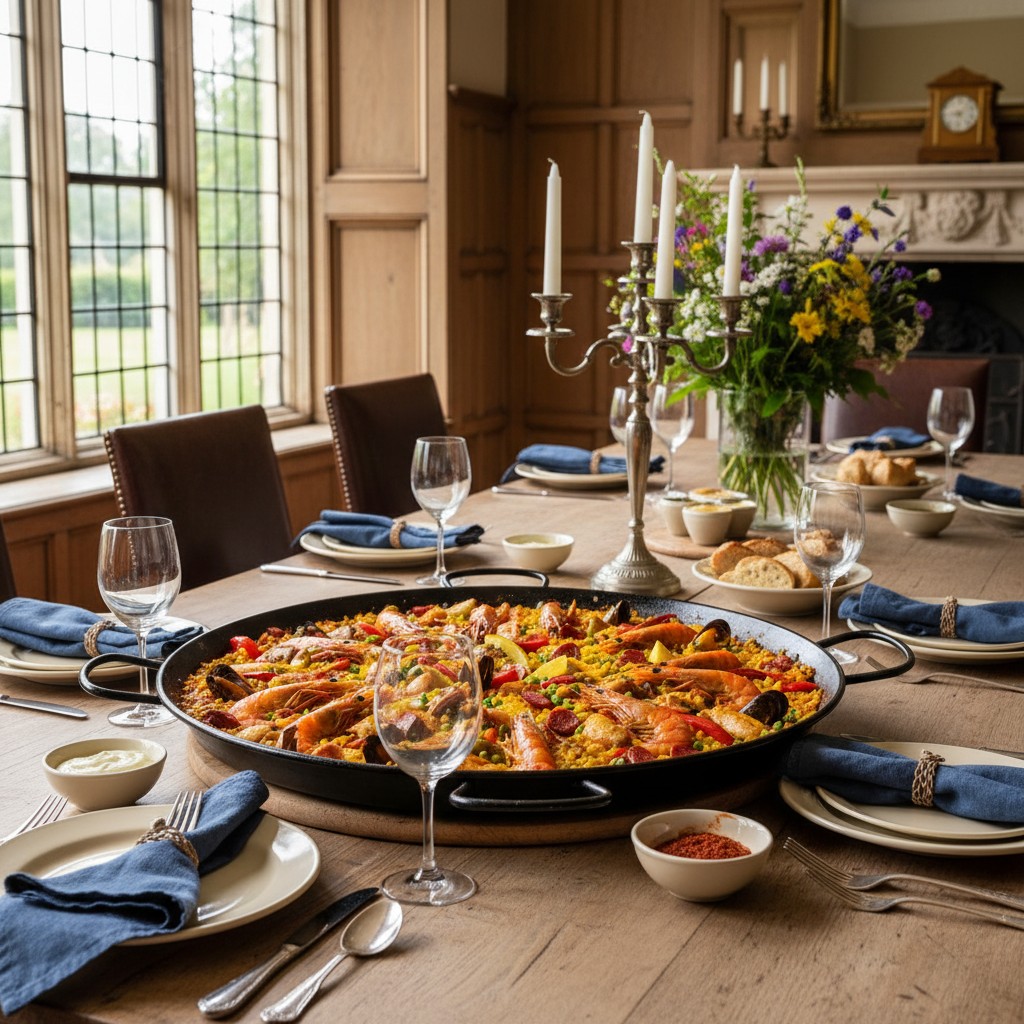
There's a certain magic to bringing a large, steaming pan of paella to the table. It's a dish that speaks of sunshine, holidays, and convivial gatherings. Yet, for all its celebratory feel, it is often a recipe that home cooks approach with some trepidation. Let me assure you, there is no need to be nervous. At its heart, paella is a humble rice dish, born in the fields of Valencia, and with a little understanding of the key components, it is wonderfully straightforward to make at home.
The secret to a truly great paella doesn't lie in a long, complicated list of ingredients, but in the technique and the quality of what you use. It's about building layers of flavour, starting with a good 'sofrito' – the Spanish base of sautéed aromatics. It’s about using the correct type of rice, one that absorbs all those beautiful flavours without turning to mush. And it's about resisting the temptation to stir!
This recipe is for what is often called a 'paella mixta', a mixed paella containing both meat and seafood. It's a real crowd-pleaser and a perfect introduction to the dish. We will go through the process step-by-step, so that you can serve this with confidence and enjoy the chorus of approval it will undoubtedly receive.
Why You'll Love This Recipe
- Using the correct Bomba or Calasparra rice is non-negotiable; its ability to absorb three times its volume in liquid without breaking down is what gives paella its signature texture.
- Building flavours in stages—from searing the meat to creating a rich sofrito base—creates a depth of taste that cannot be rushed or replicated.
- Resting the paella off the heat for 5-10 minutes is a crucial final step. This allows the rice to finish cooking in its own steam and for the distinct flavours to meld together perfectly.
Ingredients
- 3 tbsp olive oil
- 4 large bone-in, skin-on chicken thighs, each cut into 2 pieces
- 150g good-quality cooking chorizo, sliced 1cm thick
- 1 large onion, finely chopped
- 1 red pepper, deseeded and finely chopped
- 4 cloves of garlic, finely chopped
- 1 tsp smoked paprika (pimentón)
- A large pinch of saffron threads (about ¼ tsp)
- 400g tin of chopped tomatoes
- 1.2 litres good-quality chicken or fish stock
- 400g Spanish paella rice (Bomba or Calasparra)
- 200g raw large prawns, shells on or off
- 500g mussels, cleaned and debearded
- A small handful of flat-leaf parsley, chopped
- 1 lemon, cut into wedges, to serve
- Salt and freshly ground black pepper
Equipment Needed
36-40cm Paella Pan (or a large, shallow, heavy-based skillet) · Large Plate · Slotted Spoon · Separate saucepan for stock · Chopping board · Sharp knife
Step-by-Step Instructions
- First, prepare all your ingredients. Season the chicken pieces with salt and pepper. In a small bowl, infuse the saffron threads in 2 tablespoons of hot water.
- Place a 36-40cm paella pan (or a large, wide, heavy-based frying pan) over a medium-high heat and add the olive oil. When hot, add the chicken pieces, skin-side down. Fry for about 5-7 minutes, turning, until golden brown on all sides. Remove the chicken to a plate and set aside.
- Add the sliced chorizo to the same pan and fry for 2-3 minutes until it releases its paprika-red oil and becomes slightly crisp. Remove with a slotted spoon and add to the plate with the chicken.
- Reduce the heat to medium-low. Add the chopped onion and red pepper to the pan, and cook gently in the flavoured oil for 10-12 minutes until soft and sweet. This is your 'sofrito'. Add the chopped garlic and smoked paprika and cook for another minute until fragrant.
- Pour in the chopped tomatoes, increase the heat slightly, and cook for 5 minutes, stirring occasionally, until the sauce has thickened and reduced.
- Now, bring your stock to a simmer in a separate saucepan. Pour the stock into the paella pan, along with the saffron and its soaking water. Bring the whole lot to a vigorous boil and season well with salt and pepper.
- Sprinkle the rice evenly all over the pan. Do not stir from this point onwards. Give the pan one gentle shake to distribute the rice. Return the chicken and chorizo pieces to the pan, arranging them evenly.
- Let it bubble fiercely for 5 minutes, then reduce the heat to a gentle simmer. Cook for around 15-18 minutes, moving the pan around over the heat source if necessary to ensure it cooks evenly. The rice should be absorbing the liquid.
- When most of the liquid has been absorbed but the rice is still a little wet on top, arrange the prawns and mussels over the surface, pushing them slightly into the rice. The mussels should open within a few minutes.
- For the final 1-2 minutes, you can turn the heat up high to create the prized 'socarrat' – the toasted, crispy layer of rice at the bottom. Listen for a crackling sound. Be careful not to burn it.
- Remove the pan from the heat. Discard any mussels that have not opened. Cover the pan loosely with a clean tea towel or foil and leave to rest for 5-10 minutes. This is a crucial step.
- To serve, scatter over the chopped parsley and arrange the lemon wedges around the edge. Bring the whole pan to the table for everyone to help themselves.
Delia's Notes from the Kitchen
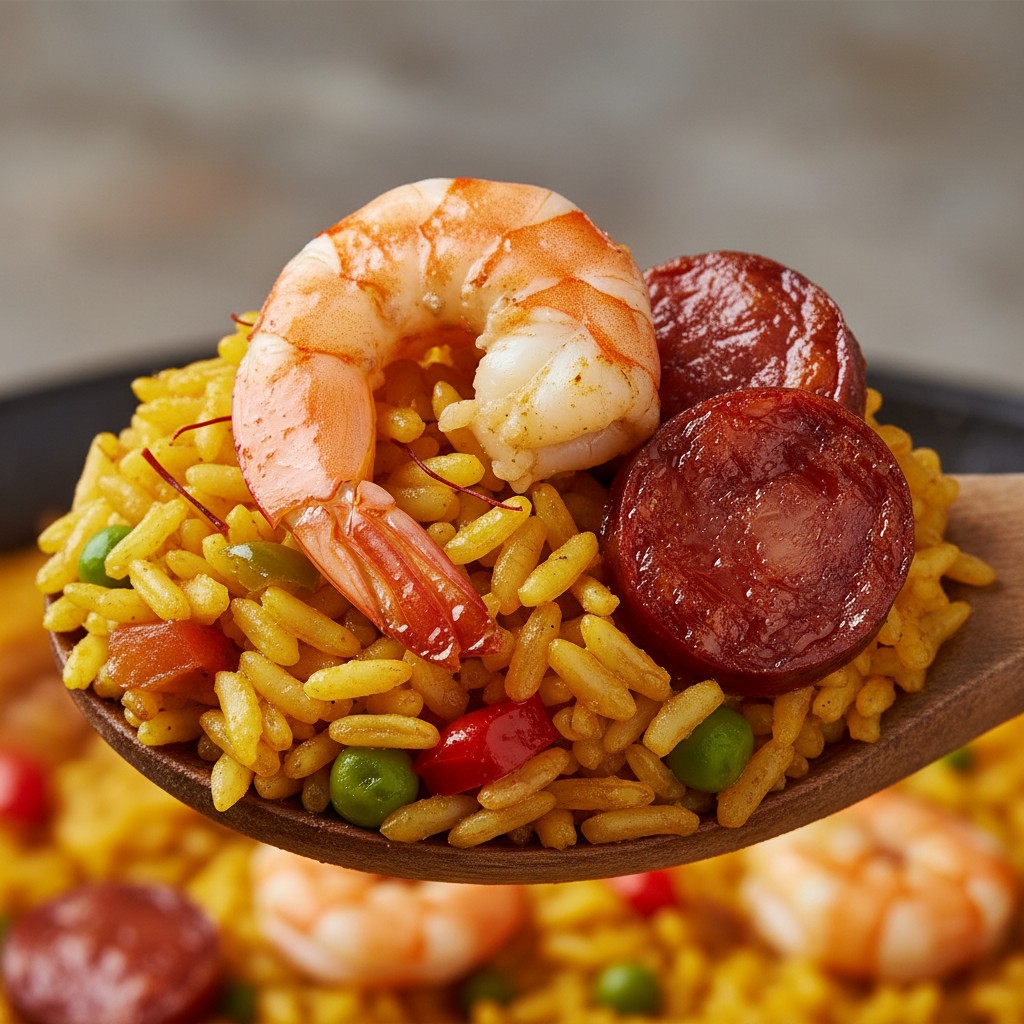
The golden rule of paella, and one you must absolutely adhere to, is: do not stir the rice once the stock has been added. Shaking the pan gently is permitted, but stirring will release the starches from the rice and you will end up with a risotto, which is a lovely thing, but it is not a paella. Trust the process, let the rice do its work, and you will be rewarded with the correct, authentic texture. This is a dish to be made with patience and love, and shared with pleasure.
How to Store & Reheat
Paella is always best enjoyed immediately after it is made. However, should you have leftovers, allow them to cool completely before storing in an airtight container in the refrigerator for up to 2 days. To reheat, place a portion in a microwave-safe dish, sprinkle with a tablespoon of water, cover, and heat until piping hot. Alternatively, you can warm it gently in a frying pan with a splash of oil. Please note the texture of the reheated rice and seafood will not be quite the same.
Frequently Asked Questions
What is the best rice for paella and why?
The best, and most traditional, rices are Spanish short-grain varieties like Bomba or Calasparra. They are exceptional at absorbing large amounts of liquid—up to three times their volume—without becoming sticky or breaking down. This results in perfectly separate, flavourful grains, which is the hallmark of a good paella.
Do I really need a special paella pan?
While a proper paella pan is ideal because its wide, shallow shape promotes quick and even evaporation of the liquid, you can certainly make a very good paella without one. The best alternative is a large, wide, heavy-based frying pan or a shallow casserole dish that can be used on the hob. The key is a large surface area.
What is 'socarrat' and how do I get it?
The socarrat is the delicious, caramelised, and slightly crispy crust of rice that forms on the bottom of the pan. It's highly prized! To achieve it, turn the heat up for the final minute or two of cooking. Listen carefully – you should hear the rice starting to crackle and pop. This is the sound of the socarrat forming. Be careful not to let it burn.
My paella was too soupy. What went wrong?
This is usually a case of the rice-to-liquid ratio being off or not cooking for long enough. It's important to let the stock bubble away and be absorbed by the rice. A wide pan helps this evaporation. If it's still too wet at the end, you can try increasing the heat for a minute or two, but be careful not to make the rice mushy.
Can I make this with just vegetables?
Absolutely. For a vegetarian version, omit the meat and seafood and use a good-quality, flavourful vegetable stock. You can add more vegetables like green beans, artichoke hearts, and butter beans. Add the firmer vegetables with the sofrito and more delicate ones, like green beans, about halfway through the rice cooking time.