My Ultimate Chicken Tagine with Preserved Lemons and Olives
This is my definitive recipe for a truly authentic chicken tagine, slow-cooked to perfection. The combination of preserved lemons, olives, and fragrant spices creates a dish that is simply unforgettable.
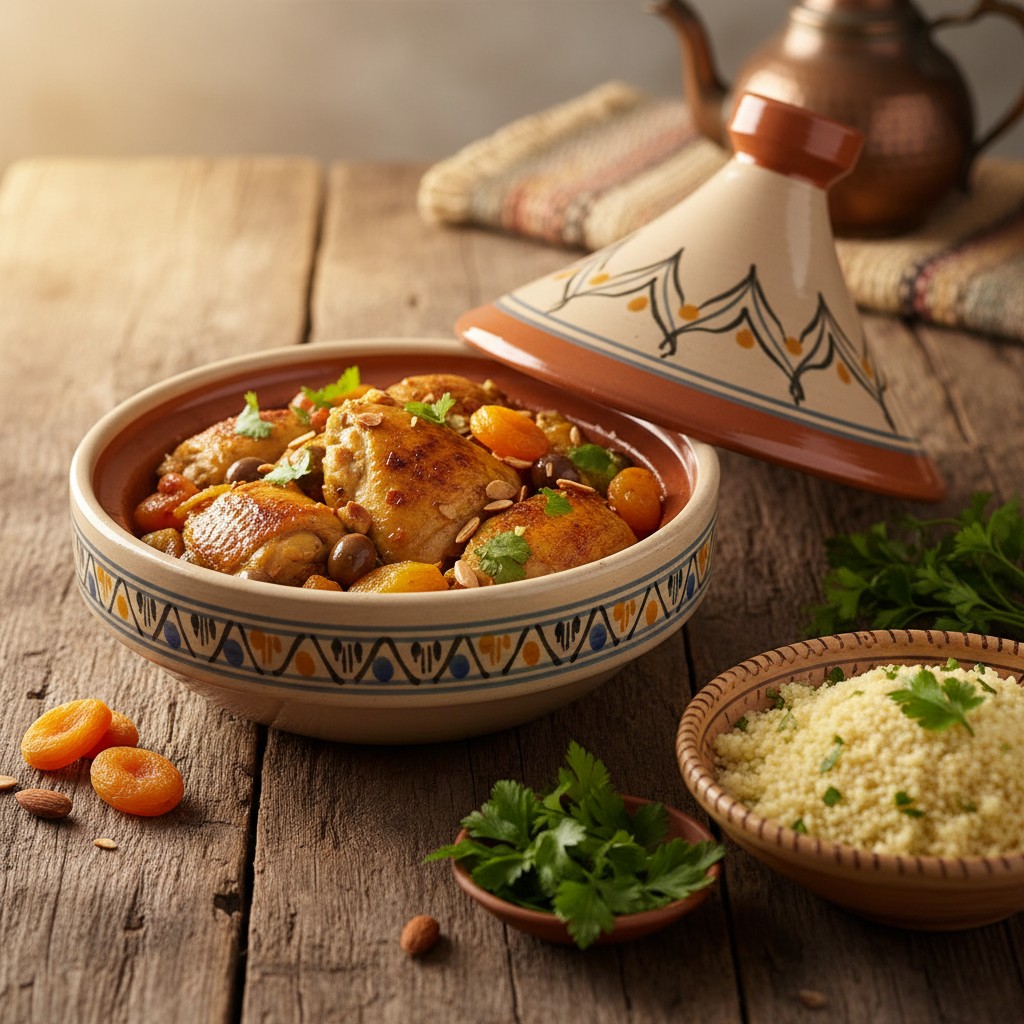
Mastering the Art of a Truly Authentic Delia Smith Chicken Tagine Recipe
There is something truly magical about a slow-cooked stew, and this Delia Smith Chicken Tagine Recipe is, for me, the absolute pinnacle of the form. The word 'tagine' refers to both the conical earthenware pot and the stew that is cooked within it, a method that creates the most incredibly tender meat and a sauce rich with layered spices. Many people feel a little intimidated by the thought of making one at home, perhaps because of the exotic name or the list of spices, but I am here to show you just how straightforward it can be.
This recipe is the result of much testing and refinement to achieve what I believe is the perfect balance of flavours: the sharp, salty tang of preserved lemons, the mellow bitterness of olives, and the warm, aromatic embrace of cinnamon, cumin, and saffron. It’s a symphony of flavour that transports you straight to a Marrakech courtyard. We will build the flavours step-by-step, ensuring each component has the chance to shine.
So, whether you have a traditional tagine pot or a sturdy casserole dish, you can achieve brilliant results. The key, as with so much of good cooking, is to use good ingredients and to give the dish the time it needs to transform. Don't rush it. Let the gentle heat do its work, and you will be rewarded with a meal that is both comforting and deeply impressive.
Why You'll Love This Recipe
- Using bone-in, skin-on chicken thighs provides maximum flavour and moisture; the meat simply will not dry out during the long, slow cook.
- Blooming the spices in the hot oil before adding the liquid awakens their essential oils, creating a much deeper and more aromatic flavour base for the stew.
- The slow, gentle cooking process, either in a tagine or a heavy-based casserole, allows the tough connective tissues in the chicken to break down into gelatine, resulting in meltingly tender meat and a sauce with a beautiful body.
Ingredients
- 8 medium bone-in, skin-on chicken thighs
- 2 tbsp plain flour
- 1 tsp salt
- ½ tsp freshly ground black pepper
- 3 tbsp olive oil
- 2 large onions, finely sliced
- 3 cloves garlic, crushed
- 1 tbsp freshly grated ginger
- 1 tsp ground cumin
- 1 tsp ground coriander
- 1 tsp turmeric
- ½ tsp ground cinnamon
- A good pinch of saffron threads, soaked in 2 tbsp hot water
- 500ml good-quality chicken stock
- 1 preserved lemon, rinsed, flesh discarded, and rind finely sliced
- 100g green or purple olives, pitted
- A small bunch of fresh coriander, roughly chopped
- A small bunch of fresh flat-leaf parsley, roughly chopped
Equipment Needed
A traditional earthenware tagine or a large, heavy-based casserole dish with a tight-fitting lid · Large mixing bowl · Tongs · Measuring spoons · Sharp knife · Chopping board
Step-by-Step Instructions
- Begin by preparing the chicken. In a large bowl, mix the flour with the salt and pepper. Add the chicken thighs and toss them until they are lightly and evenly coated. This helps to brown the chicken and will also lightly thicken the sauce later.
- Place a tagine or a large, heavy-based casserole dish over a medium-high heat. Add 2 tablespoons of the olive oil. When the oil is shimmering, shake any excess flour from the chicken pieces and place them skin-side down in the pan, in batches if necessary to avoid overcrowding. Brown the chicken for about 4-5 minutes on each side until golden and crisp. Remove the chicken to a plate and set aside.
- Reduce the heat to medium-low, add the remaining tablespoon of olive oil to the same pan. Add the sliced onions and cook gently for 10-15 minutes, stirring occasionally, until they are soft, sweet, and lightly caramelised. Don't rush this step; it builds a crucial layer of flavour.
- Add the crushed garlic and grated ginger to the onions and cook for another minute until fragrant. Now, add the ground cumin, coriander, turmeric, and cinnamon. Stir constantly for one minute to cook out the raw taste of the spices.
- Return the chicken pieces to the pan, arranging them amongst the onions. Pour over the chicken stock and the saffron with its soaking water. Bring the liquid to a gentle simmer.
- Add the sliced preserved lemon rind and the olives to the pan. Season with a little more pepper (be cautious with salt as the stock and preserved lemons are already salty).
- Cover the dish with its lid. If using a casserole, you can place a piece of baking parchment on the surface of the stew before putting the lid on to create a better seal. Reduce the heat to its lowest setting and leave to cook very gently for 1 hour.
- After an hour, remove the lid. The chicken should be exceptionally tender and the sauce should have thickened slightly. Stir through half of the chopped fresh coriander and parsley. Taste and adjust the seasoning if necessary.
- To serve, spoon the tagine into warm bowls, and scatter over the remaining fresh herbs. It is traditionally served with fluffy couscous.
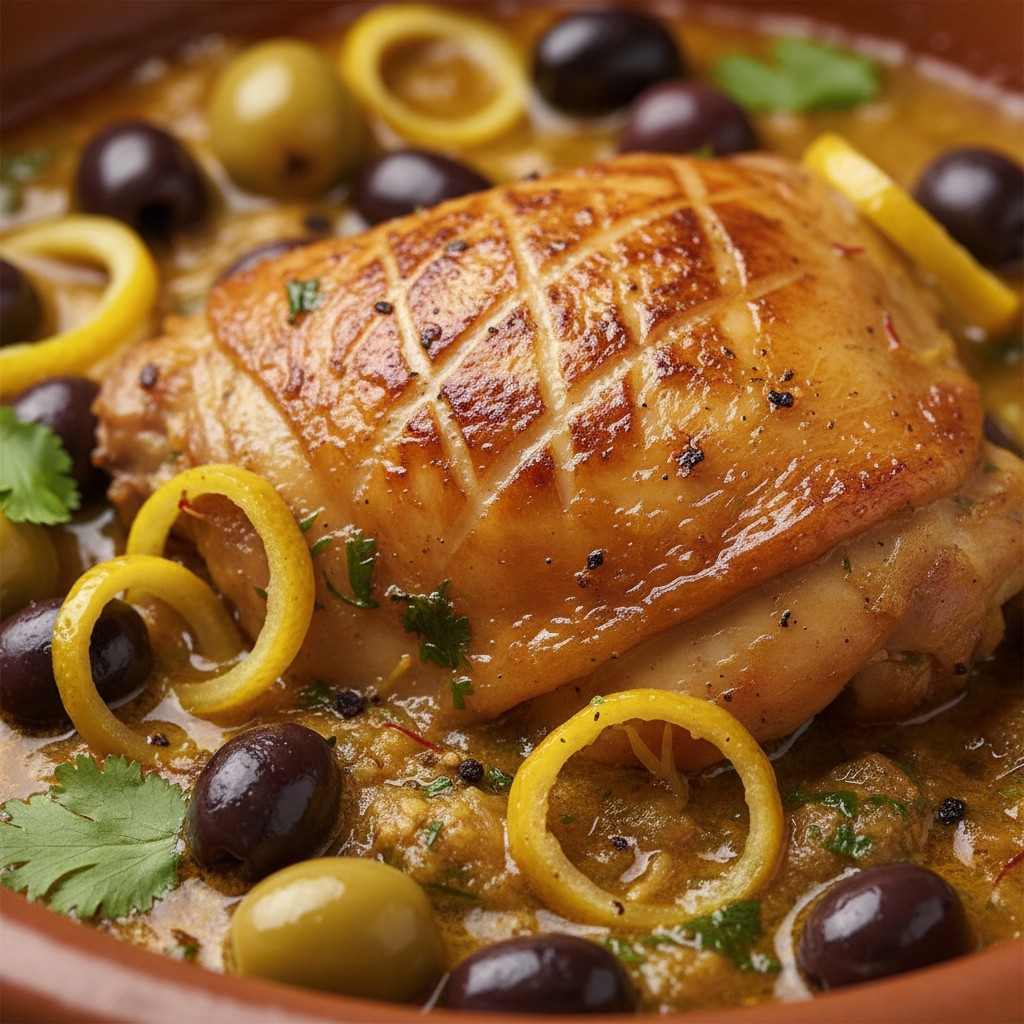
Delia's Notes from the Kitchen
The secret to a truly great tagine lies in the gentle, unhurried cooking. Once you have brought it to a simmer and put the lid on, you must turn the heat down as low as it will go. You are looking for a 'plop, plop' sound, not a vigorous boil. This is what coaxes the flavour from the ingredients and ensures the chicken becomes incredibly tender. Resist the urge to keep lifting the lid!
How to Store & Reheat
This tagine tastes even better the next day. Allow it to cool completely before storing in an airtight container in the refrigerator for up to 3 days. To reheat, place it in a saucepan over a low heat, adding a splash of water or stock if the sauce has thickened too much, and warm through gently until piping hot. You can also reheat it in a microwave.
Frequently Asked Questions
Do I absolutely need a tagine pot to make this recipe?
Not at all. While a traditional tagine is wonderful for its steam-circulating properties, a heavy-based casserole dish or a Dutch oven with a tight-fitting lid will work just as well. The key is a heavy base for even heat and a good lid to trap moisture.
What are preserved lemons and where can I find them?
Preserved lemons are lemons that have been pickled in salt and their own juices. They lose their bitterness and develop a unique, intensely savoury and salty lemon flavour. You can find them in jars in most large supermarkets, delicatessens, or Middle Eastern food shops. They are a key ingredient and well worth seeking out.
Can I freeze this chicken tagine?
Yes, this dish freezes beautifully. Allow it to cool completely, then transfer to a freezer-safe container. It can be frozen for up to 3 months. Defrost it overnight in the refrigerator before reheating gently on the hob.
My sauce is too thin. How can I thicken it?
If your sauce is thinner than you'd like after an hour of cooking, you can remove the lid and let it simmer for a further 5-10 minutes to reduce. The initial coating of flour on the chicken should provide a light thickness, but this will help concentrate it further.
Can I make this with lamb instead of chicken?
Yes, you can substitute the chicken with 1kg of diced lamb shoulder. Brown the lamb well in batches and increase the cooking time to at least 2 - 2.5 hours, or until the lamb is meltingly tender.