A Proper Beef and Ale Stew
There is nothing quite so comforting as a deeply savoury beef stew simmered slowly to perfection. This recipe will show you how to achieve that wonderful depth of flavour and meltingly tender meat.
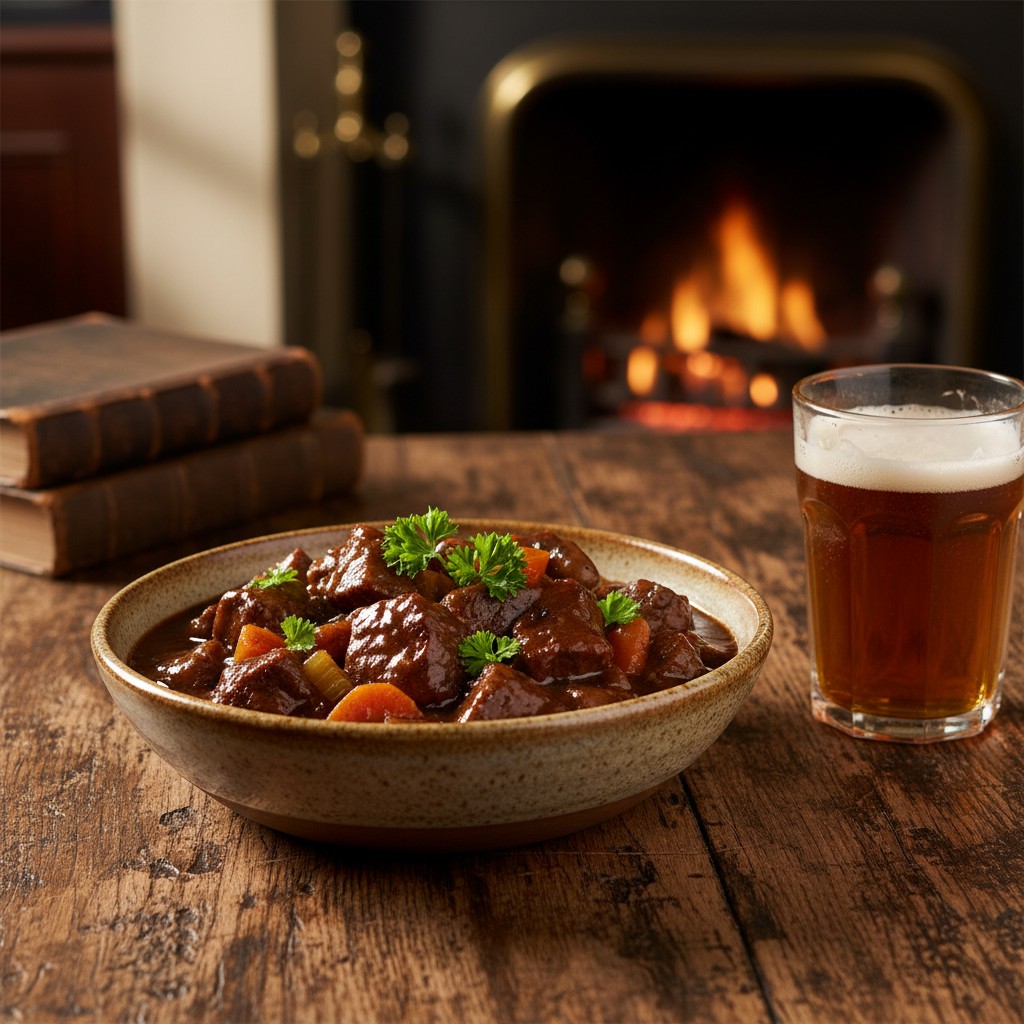
There is a certain magic that happens when you allow time and gentle heat to work on a humble cut of beef. What begins as something tough and unpromising is transformed into meltingly tender morsels, bathed in a rich, deeply savoury gravy. This, for me, is the very essence of home cooking – turning simple ingredients into something truly special.
A good beef stew is a cornerstone of the British kitchen, a reliable friend on a cold, blustery day. The key, as with so many things, is not to rush. Each step is designed to build layers of flavour, from the initial browning of the meat to the slow, patient simmer. It is a lesson in the rewards of taking one's time.
Here, we use a good, robust British ale, which lends a wonderful malty depth that you simply cannot achieve with stock alone. It is this combination of well-browned beef, sweet vegetables, and rich ale that creates a stew worthy of the name. So, put the wireless on, clear an afternoon, and let's learn how to make a proper beef and ale stew.
Why You'll Love This Recipe
- Browning the beef first is not just for colour; it creates the Maillard reaction, which is fundamental for developing a deep, savoury flavour base.
- A long, slow simmer at a very low temperature is essential. This gently breaks down the tough connective tissues (collagen) in the beef, turning it into unctuously tender gelatine.
- Using a good quality ale and beef stock provides a complex, malty, and rich foundation for the gravy, far superior to using water or stock alone.
- Coating the beef in seasoned flour before browning helps to create a good crust and also serves as the primary thickener for the stew, ensuring a perfectly textured gravy from the start.
Ingredients
- 900g (2 lb) good-quality braising steak (chuck or shin is ideal), cut into 4cm (1½ inch) cubes
- 2 level tablespoons plain flour
- 1 teaspoon English mustard powder
- ½ teaspoon salt
- Freshly milled black pepper
- 3 tablespoons beef dripping or vegetable oil
- 2 medium onions, peeled and roughly chopped
- 2 medium carrots, peeled and cut into thick rounds
- 2 sticks of celery, trimmed and sliced
- 2 cloves of garlic, peeled and finely chopped
- 500ml (17 fl oz) robust brown ale
- 450ml (15 fl oz) good-quality beef stock
- 2 bay leaves
- 2 large sprigs of fresh thyme
- 1 tablespoon tomato purée
Equipment Needed
Large, heavy-based casserole dish with a lid (a Dutch oven is perfect) · Large mixing bowl · Kitchen paper · Wooden spoon · Chopping board · Sharp knife
Step-by-Step Instructions
- First, prepare the beef. It's very important to pat the cubes of meat completely dry with kitchen paper; this helps them to brown properly rather than steam. In a large bowl, mix together the plain flour, mustard powder, salt, and a generous grinding of black pepper. Add the beef cubes and toss them around until they are all lightly coated.
- Next, place a large, heavy-based casserole dish (one with a tight-fitting lid) over a medium-high heat. Add 2 tablespoons of the dripping or oil. When it's very hot, add the beef to the pan in batches – do not overcrowd it. Brown the meat on all sides until it has a deep, rich crust. As each batch is browned, remove it to a plate and set aside.
- Once all the beef is browned, you may need to add the final tablespoon of oil. Lower the heat to medium and add the chopped onions, carrots, and celery to the same pan. Cook for about 10 minutes, stirring occasionally, until the vegetables have softened and taken on a little colour.
- Add the chopped garlic and cook for another minute until fragrant. Now, pour in the ale. As it bubbles up, use a wooden spoon to scrape all the wonderful, caramelised brown bits from the bottom of the pan. This is called deglazing, and it's where so much of the flavour lies. Allow the ale to bubble and reduce by about a third.
- Return the browned beef and any juices from the plate to the casserole dish. Stir in the tomato purée, then pour in the beef stock. Tuck in the bay leaves and thyme sprigs. Give everything a good stir and bring it up to a gentle simmer.
- Once it's simmering, immediately reduce the heat to its lowest possible setting. The surface should have just a bare 'plip-plop' of a bubble here and there. Alternatively, preheat your oven to 150°C (130°C Fan, Gas Mark 2). Cover the dish with its lid and place it in the oven or leave it on the hob.
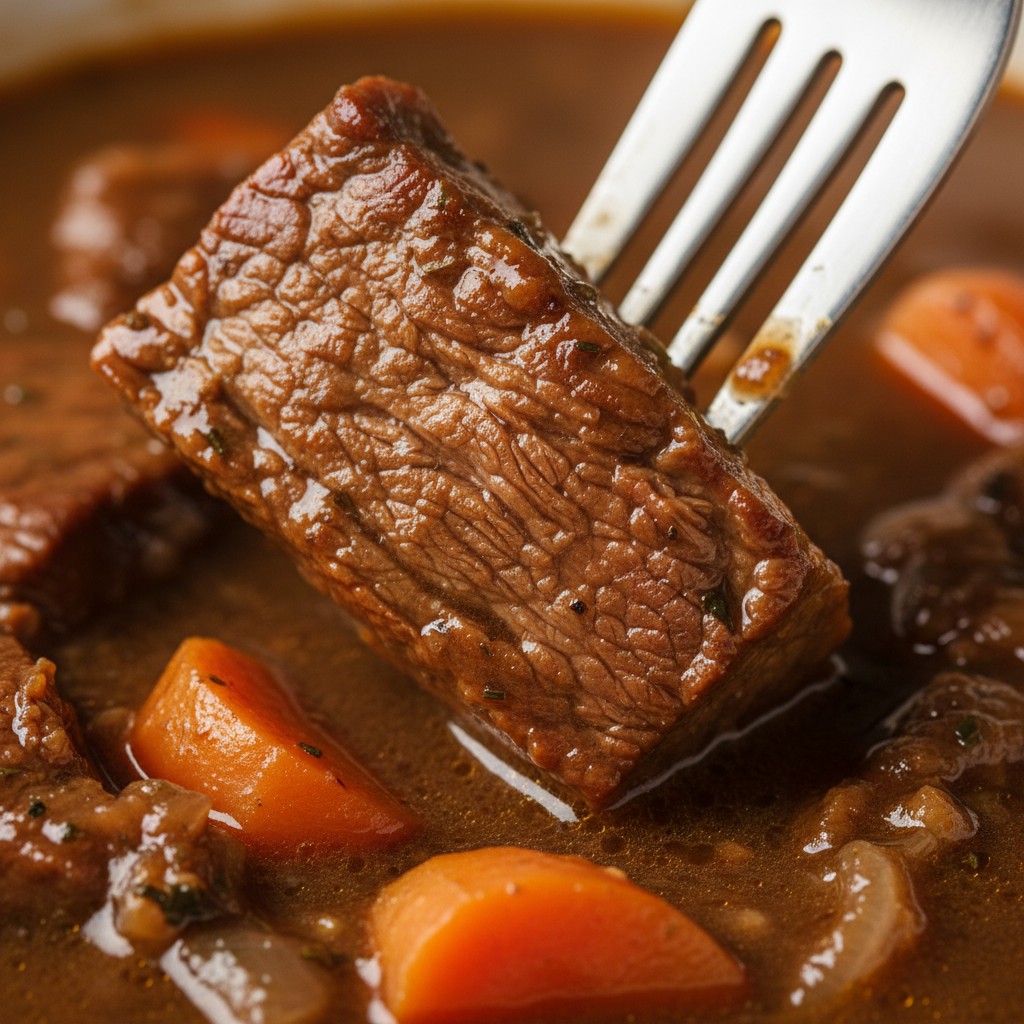
- Cook for at least 2 hours, or until the beef is completely tender when tested with a fork. Check it after 2 hours; it may need another 30 minutes. Remove the bay leaves and thyme stalks before serving. Taste and adjust the seasoning with more salt and pepper if needed. The gravy should be a perfect consistency, but if you feel it needs thickening, you can do so with a little cornflour mixed with cold water.
- Serve piping hot with creamy mashed potatoes and some steamed greens.
Delia's Notes from the Kitchen
The success of this stew really does hinge on patience. Don't be tempted to turn up the heat to speed things along; that is the surest way to tough meat. A slow, gentle, barely-there simmer is your greatest tool here. It coaxes the flavour from the ingredients and transforms the beef into something truly wonderful. And please, do not skip the browning stage; it is not merely for aesthetics, it is the very foundation of the final flavour. This is a dish to be savoured, both in the making and the eating.
How to Store & Reheat
Like many stews, this one is often even better the next day as the flavours have more time to meld. To store, allow the stew to cool completely, then transfer it to an airtight container and refrigerate for up to 3 days. To reheat, place the stew in a saucepan over a low-medium heat and gently bring it back to a simmer, stirring occasionally until piping hot throughout. It also freezes beautifully for up to 3 months.
Frequently Asked Questions
Why is my beef sometimes tough and dry in a stew?
This is almost always due to one of two things: using the wrong cut of beef or cooking it too quickly. You must use a braising cut with plenty of connective tissue, like chuck or shin. Then, it must be cooked 'low and slow'. A rapid boil will toughen the meat proteins, so a bare simmer is absolutely crucial.
My gravy is too thin. How can I fix it?
The flour coating on the beef should thicken it sufficiently. However, if it's still too thin for your liking, you can either remove the lid for the last 30 minutes of cooking to allow it to reduce, or you can use a 'slurry'. Mix one tablespoon of cornflour with two tablespoons of cold water until smooth, then stir it into the simmering stew and cook for a few more minutes until thickened.
Can I prepare this recipe in a slow cooker?
Yes, you can. It's vital that you still complete the browning and deglazing steps on the hob first, as this is where the flavour is built. Then, transfer everything to the slow cooker. You will likely need to reduce the amount of liquid (stock and ale) by about a third, as there's less evaporation. Cook on low for 6-8 hours.
What is the best type of ale to use?
You want something with character. A traditional English brown ale, a best bitter, or even a porter will work wonderfully. Avoid anything too hoppy or citrusy, like an IPA, as the bitterness can become too pronounced during the long cooking time.
Can I make this stew ahead of time?
Absolutely. It's an ideal dish to make ahead. The flavour actually improves after a day in the fridge. Simply follow the recipe, cool it completely, and store it. Reheat gently on the hob when you're ready to serve.