Classic Tarragon Chicken
Discover the simple elegance of a perfectly cooked Tarragon Chicken. A creamy, aromatic sauce and tender chicken make this a truly dependable classic for any occasion.
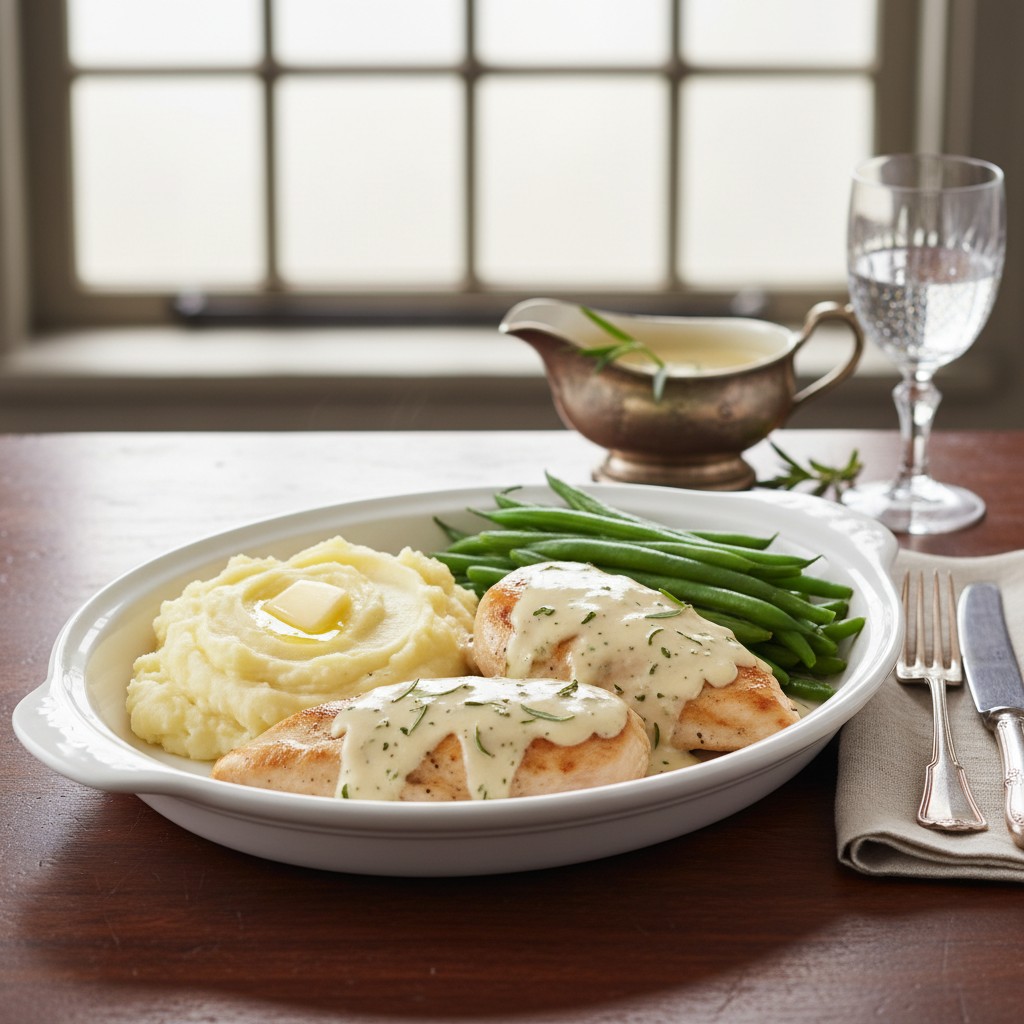
There are certain herbs that possess a kind of magic, and for me, tarragon is one of them. Its distinctive, slightly aniseed flavour has the power to transform a simple piece of chicken into something truly special. This is not a recipe for fleeting trends; it is a cornerstone of classic cookery, a dish that speaks of quiet elegance and utter reliability. It’s the sort of supper you can turn to for a midweek treat or serve with confidence at a small dinner party.
Some people seem to be a little wary of tarragon, perhaps thinking it too strong or too French. But I urge you to embrace it. When balanced with the richness of cream, the savoury depth of good chicken stock, and a splash of sharp white wine, it is nothing short of sublime. The key, as with so much of cooking, is in the balance and the technique, both of which are straightforward and easy to master.
What this recipe gives you is a complete method for achieving perfectly tender chicken in a silken, deeply flavourful sauce every single time. It is a lesson in sauce-making and a celebration of a wonderful herb. Once you have this in your repertoire, you will find yourself returning to it time and time again.
Why You'll Love This Recipe
- Searing the chicken first in a hot pan creates a 'fond' – the browned, caramelised bits left behind. This is not burnt food; it is pure flavour and the essential foundation for a rich, complex sauce.
- Using both white wine and chicken stock adds layers of flavour. The wine provides a necessary acidity to cut through the cream, while the stock lends a savoury, umami depth that a simple cream sauce would lack.
- Adding the fresh tarragon towards the end of the cooking process is crucial. This preserves its delicate, aromatic oils and bright flavour, preventing it from becoming dull or bitter from overcooking.
Ingredients
- 2 large free-range chicken breasts, skinless and boneless (about 175g each)
- 1 tbsp olive oil
- 15g unsalted butter
- 2 shallots, peeled and very finely chopped
- 75ml dry white wine (a Sauvignon Blanc is good)
- 150ml good-quality chicken stock (homemade is best)
- 100ml double cream
- 2 tbsp chopped fresh tarragon leaves
- Salt and freshly milled black pepper
Equipment Needed
Large heavy-based frying pan · Sharp knife · Chopping board · Wooden spoon or spatula · Kitchen foil
Step-by-Step Instructions
- First, prepare the chicken. Pat the breasts completely dry with kitchen paper – this is vital for getting a good colour on them. Season both sides generously with salt and pepper.
- Place a large, heavy-based frying pan over a medium-high heat. Add the olive oil and butter. Once the butter is foaming, carefully lay the chicken breasts in the pan. Don't overcrowd it.
- Cook the chicken for about 5-6 minutes on each side, without moving them about too much, until they are golden brown and cooked through. To check, a skewer inserted into the thickest part should have juices running clear. Remove the chicken to a warm plate and cover with foil to rest.
- Reduce the heat to medium-low. Add the finely chopped shallots to the same pan, scraping up any flavourful bits from the bottom. Cook gently for 3-4 minutes until softened and translucent, but not coloured.
- Turn the heat back up and pour in the white wine. Let it bubble and sizzle, scraping the base of the pan with a wooden spoon to release all the caramelised residue. Allow it to reduce by about half.
- Pour in the chicken stock and bring to a lively simmer. Let it bubble away for another 4-5 minutes until the liquid has reduced and thickened slightly.
- Reduce the heat to low and stir in the double cream. Do not let the sauce boil now, or it may split. Just warm it through gently until it has a lovely, coating consistency.
- Stir in the chopped fresh tarragon and check the seasoning, adding more salt and pepper if needed.
- Return the chicken breasts and any juices from the resting plate to the pan. Spoon the sauce over them and allow them to warm through for a minute before serving immediately.
Delia's Notes from the Kitchen
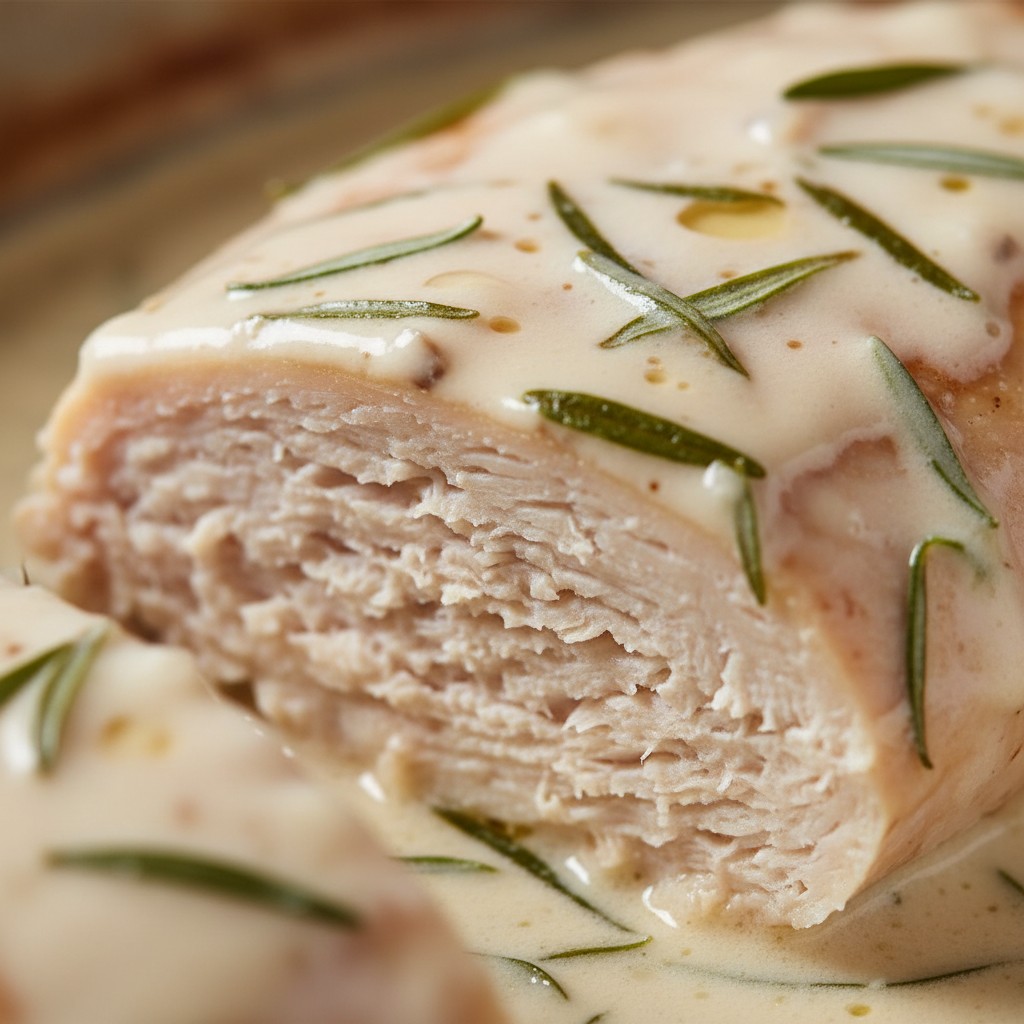
A note on success: The secret to a truly velvety sauce lies in how you treat the cream. Once it goes into the pan, your heat should be lowered right down. You are simply warming it through and combining it with the other ingredients, not cooking it. A vigorous boil is its enemy! Treat it gently, and it will reward you with a perfectly smooth, rich sauce.
How to Store & Reheat
Store any leftovers in an airtight container in the refrigerator for up to 2 days. To reheat, do so gently in a saucepan over a low heat, adding a splash of milk or stock if the sauce has thickened too much. I would not recommend reheating in a microwave, as it can make the chicken tough and cause the cream sauce to separate.
Frequently Asked Questions
Can I use dried tarragon instead of fresh?
Yes, you can, but fresh is always best for its vibrant flavour. If you must use dried, use about one-third of the amount (so 1.5 to 2 teaspoons) and add it with the shallots to allow its flavour to infuse into the sauce as it cooks.
My sauce seems a bit thin. What should I do?
The most likely reason is that the stock wasn't reduced for long enough before adding the cream. You can remove the chicken and simply simmer the sauce for a few more minutes until it reaches your desired consistency, then return the chicken to the pan.
Why did my cream sauce split or curdle?
This happens when a cream sauce is boiled after the cream has been added. The high heat causes the fat and liquid to separate. Always reduce the heat to low before stirring in the cream and only heat it through gently.
Can I make this dish ahead of time?
You can cook the chicken and make the sauce (without the tarragon) a few hours ahead. To serve, gently reheat the sauce, add the tarragon, and then add the cooked chicken to warm through for the final minute. It's best eaten fresh if possible.
What's the best wine to use?
A dry, crisp white wine is what you need. Something like a Sauvignon Blanc, Pinot Grigio, or an unoaked Chardonnay works perfectly. Avoid anything too sweet or heavily oaked, and as a rule, only cook with a wine you would be happy to drink.